WHERE LEARNING NURTURES
THE WHOLE CHILD

HEAR FROM OUR FACULTY AND PARENTS
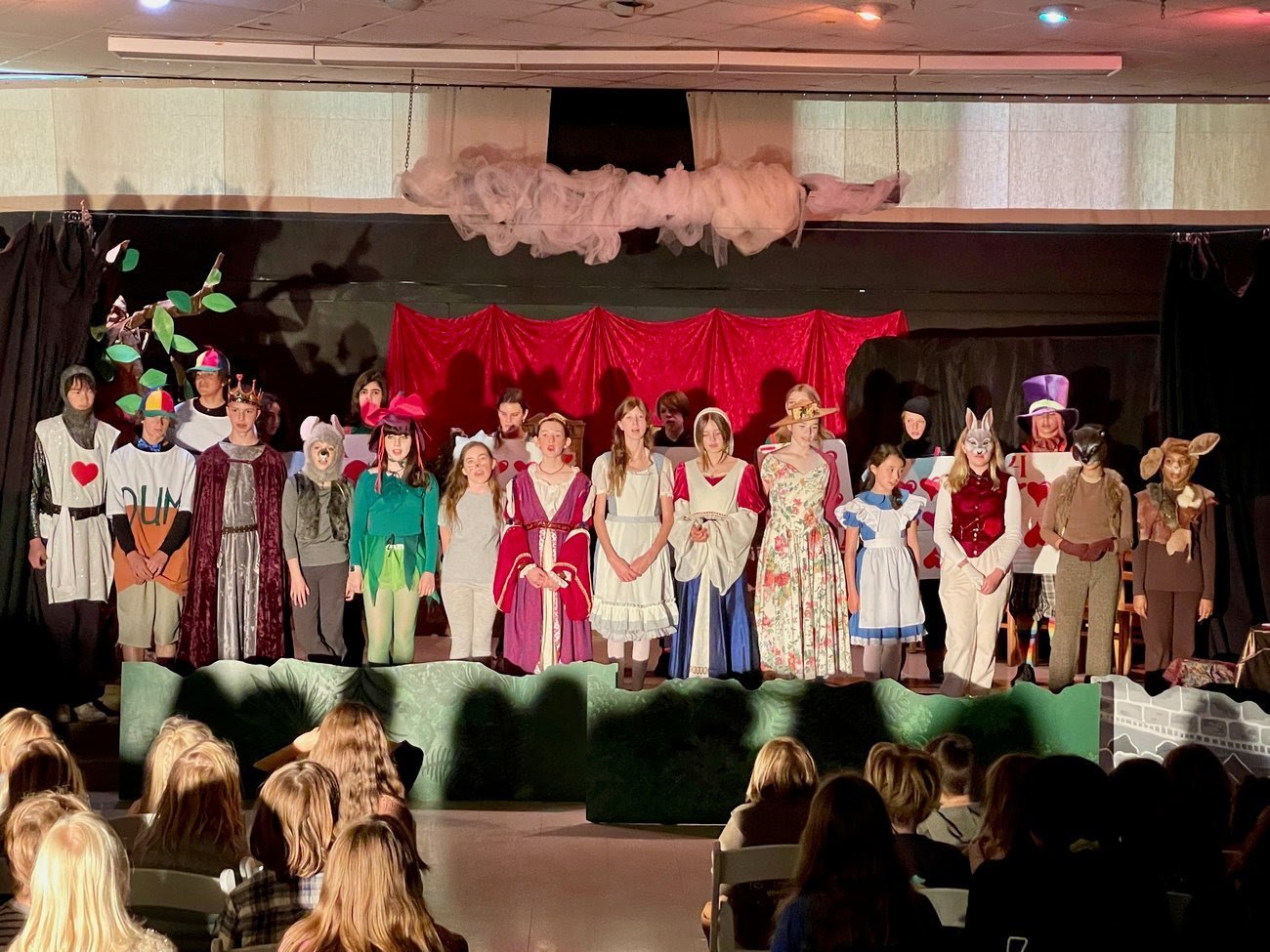
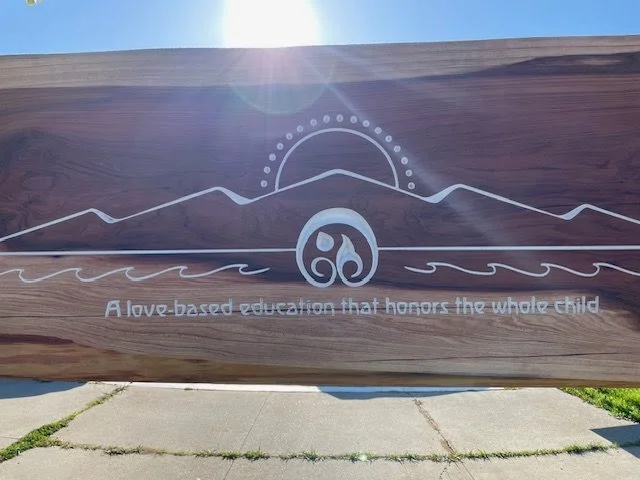
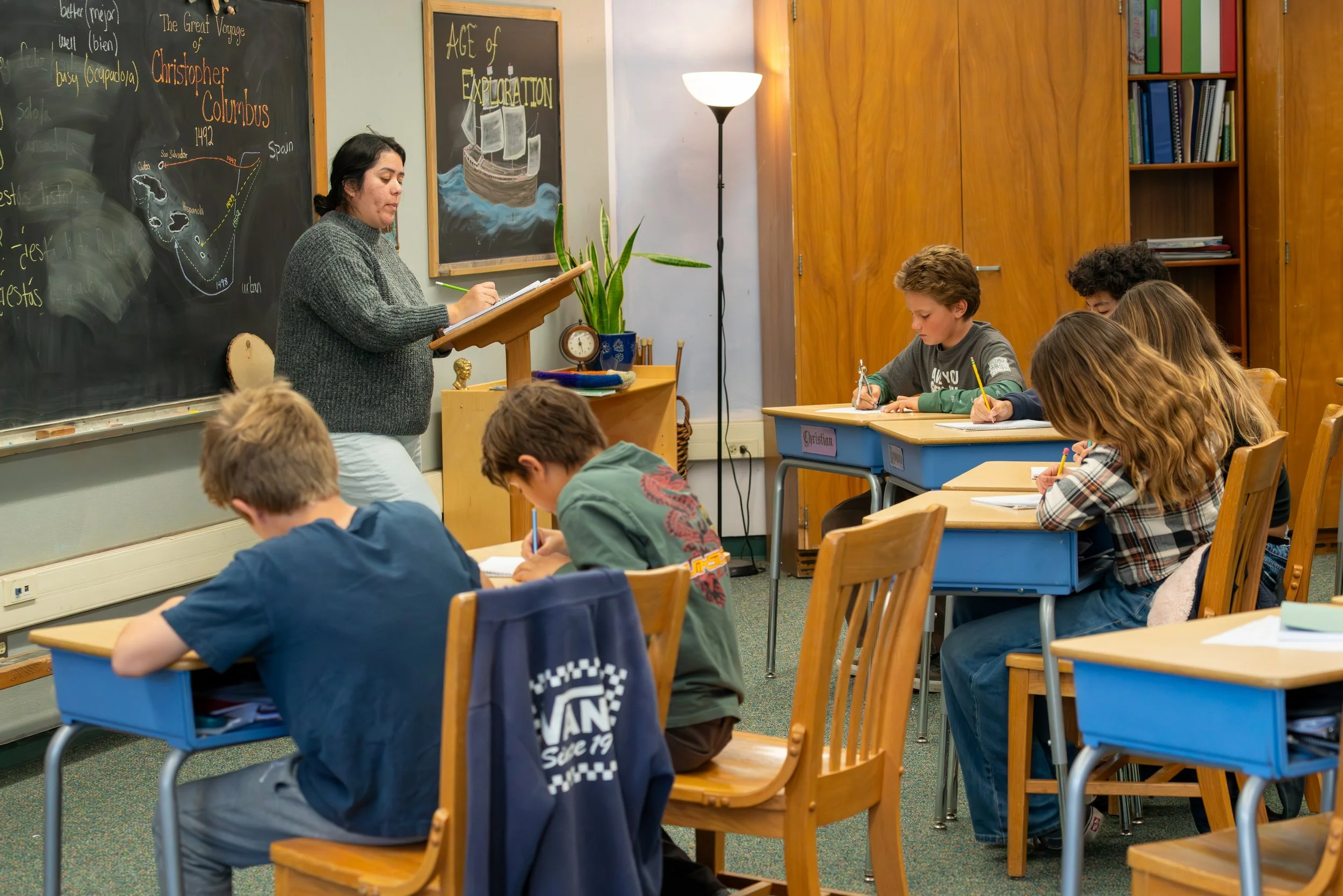
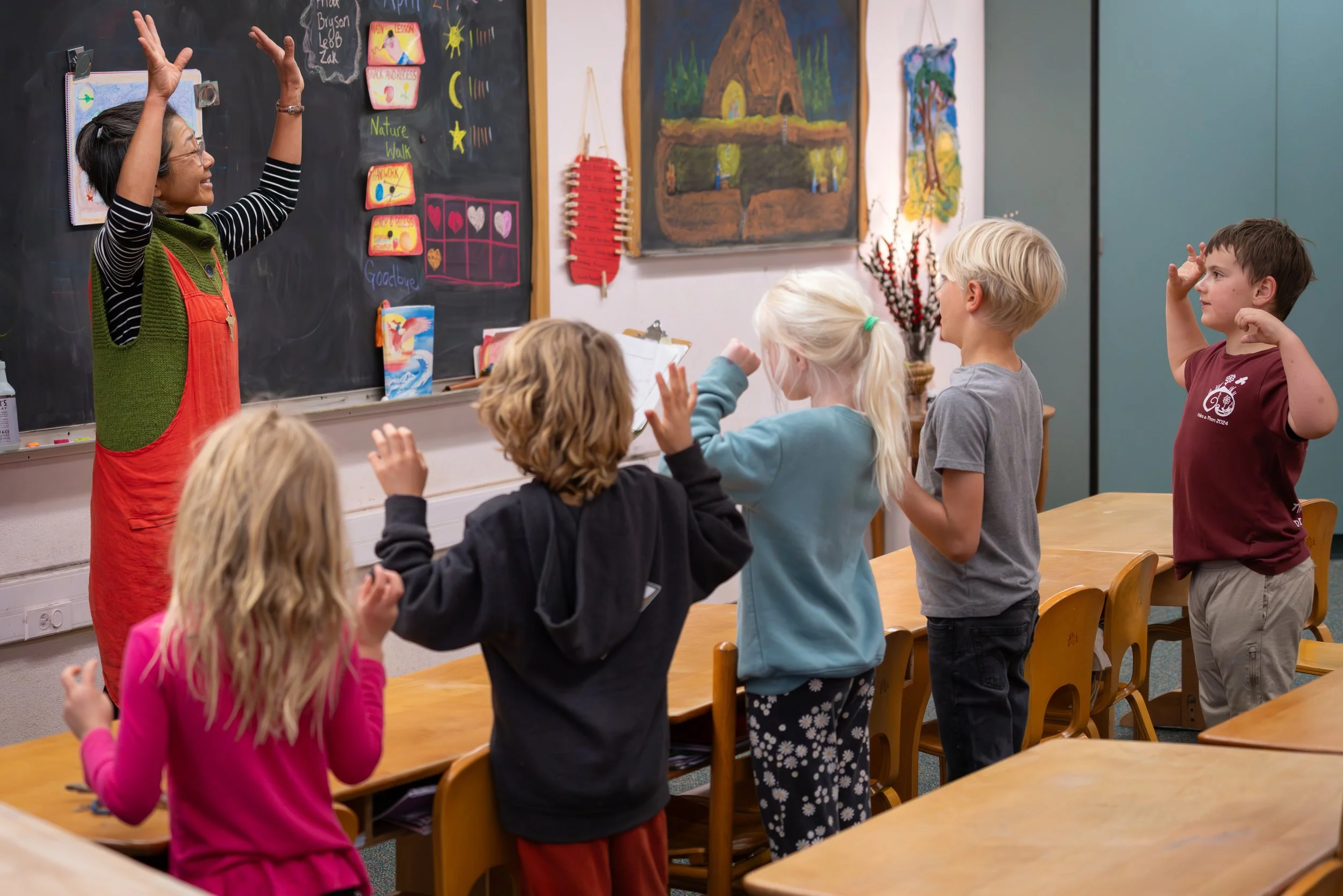
Since 1982, The Waldorf School of Santa Barbara has offered a comprehensive education that nurtures the whole child by developing intellect, emotion, and practical skills.
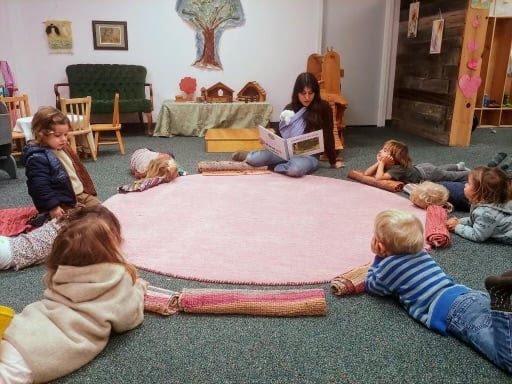
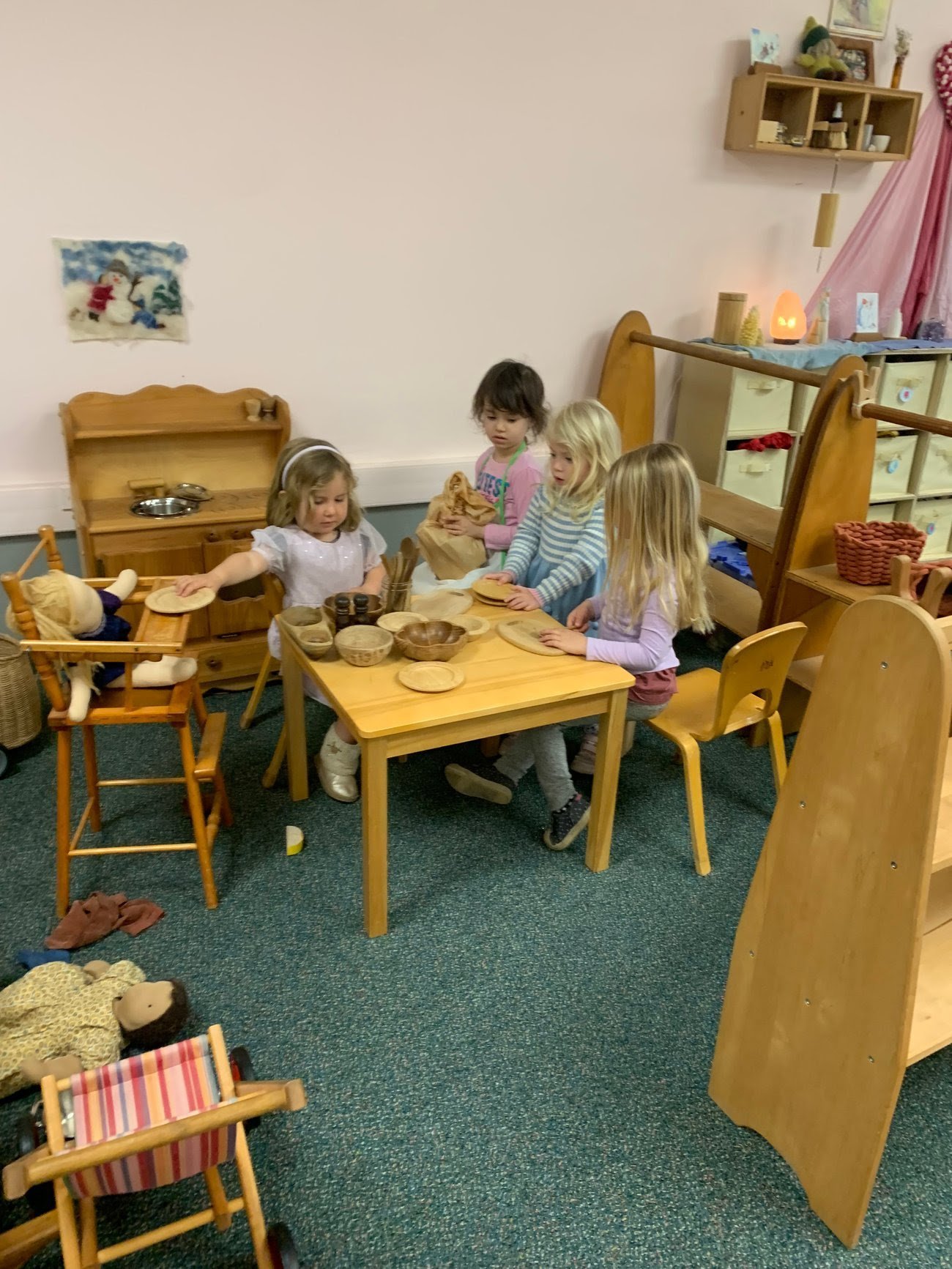
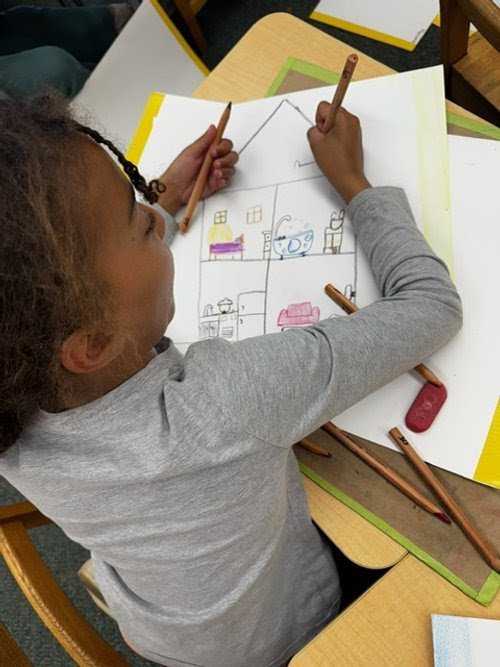
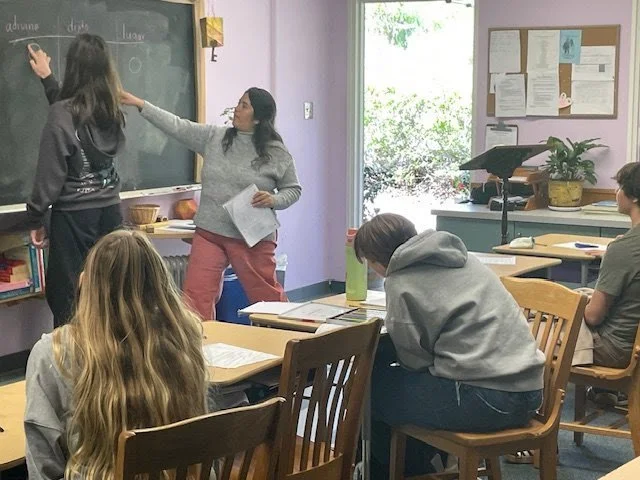
Forgoing screens, testing, and rote learning, our reverent approach employs a comprehensive, developmentally appropriate, and aesthetically-rich curriculum. We foster individual growth and community engagement, recognizing the importance of both.
Drawing on a rigorous, developmentally appropriate, and beauty-attuned curriculum, our Waldorf education cultivates the full flowering of the individual student and the community at large, understanding the profound interdependence of both. The Waldorf School of Santa Barbara seeks to not merely reflect society but to help guide and shape it.
WALDORF EDUCATION ROOTS + PHILOSOPHY
Waldorf education began in the early 1900s in Stuttgart, Germany, founded by Rudolf Steiner. Today, it’s one of the fastest-growing educational movements, with over 1,100 schools in 83 countries. We’re proud to be part of this global movement—and proud to not only help reflect society, but also guide and shape it.
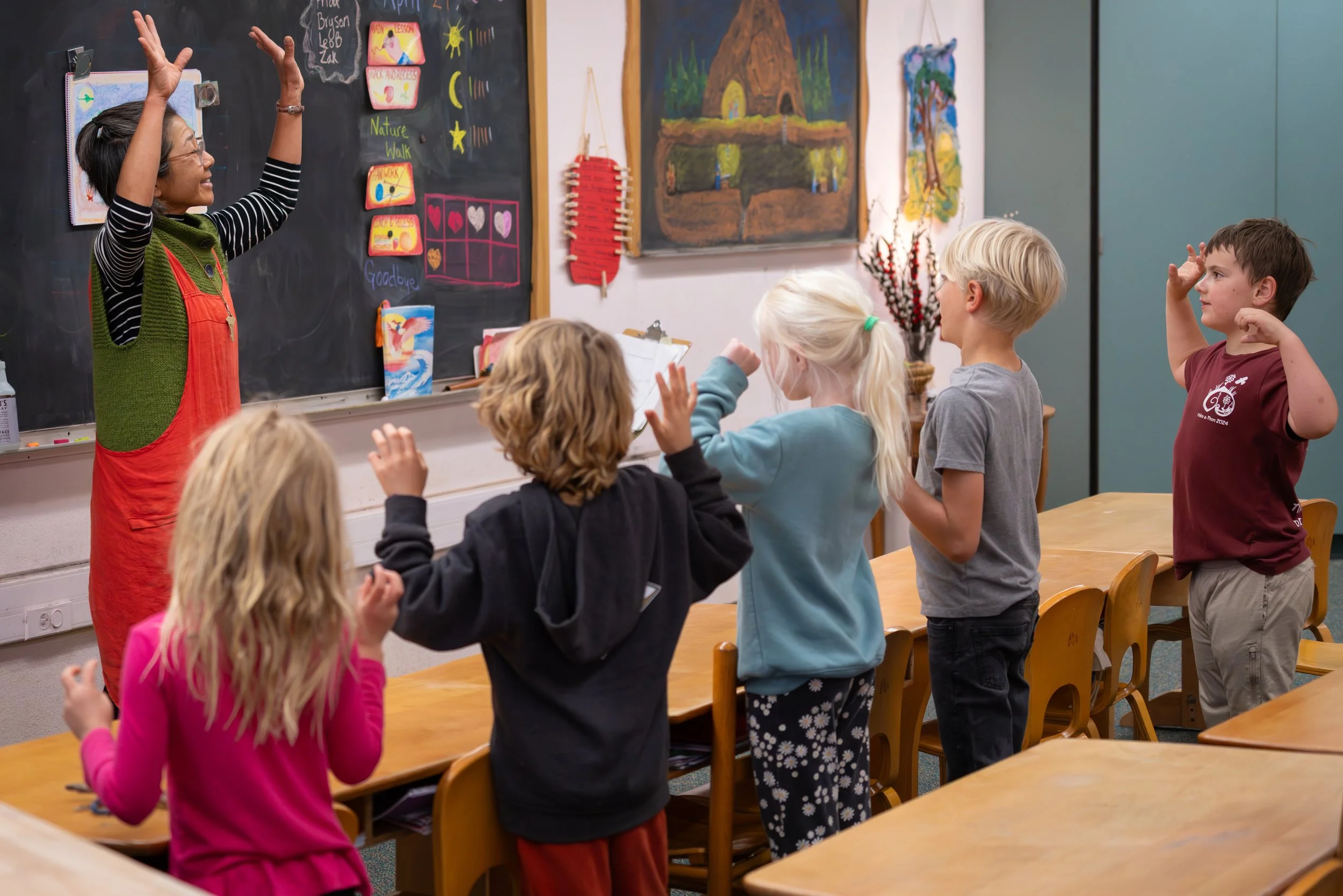
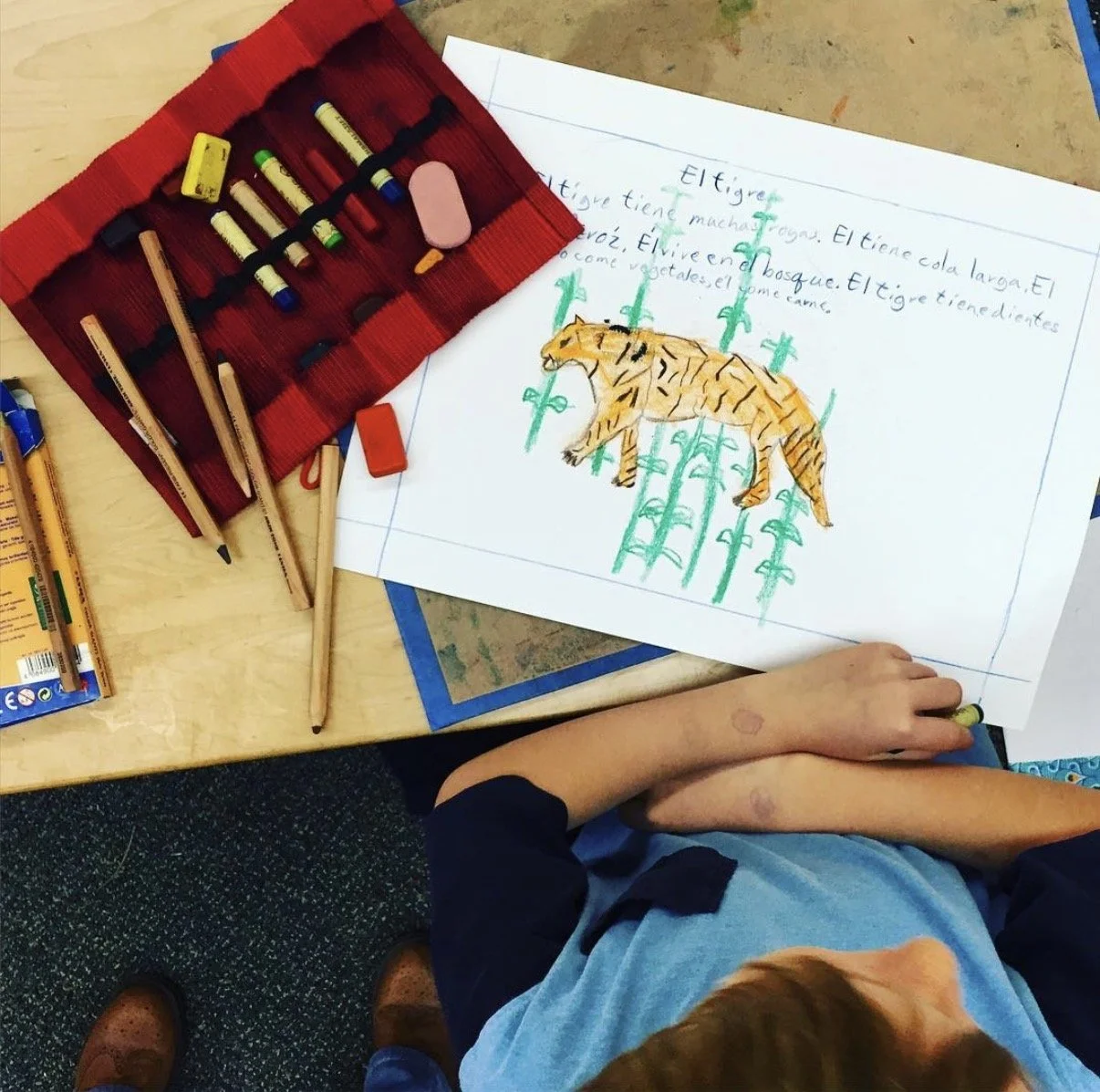
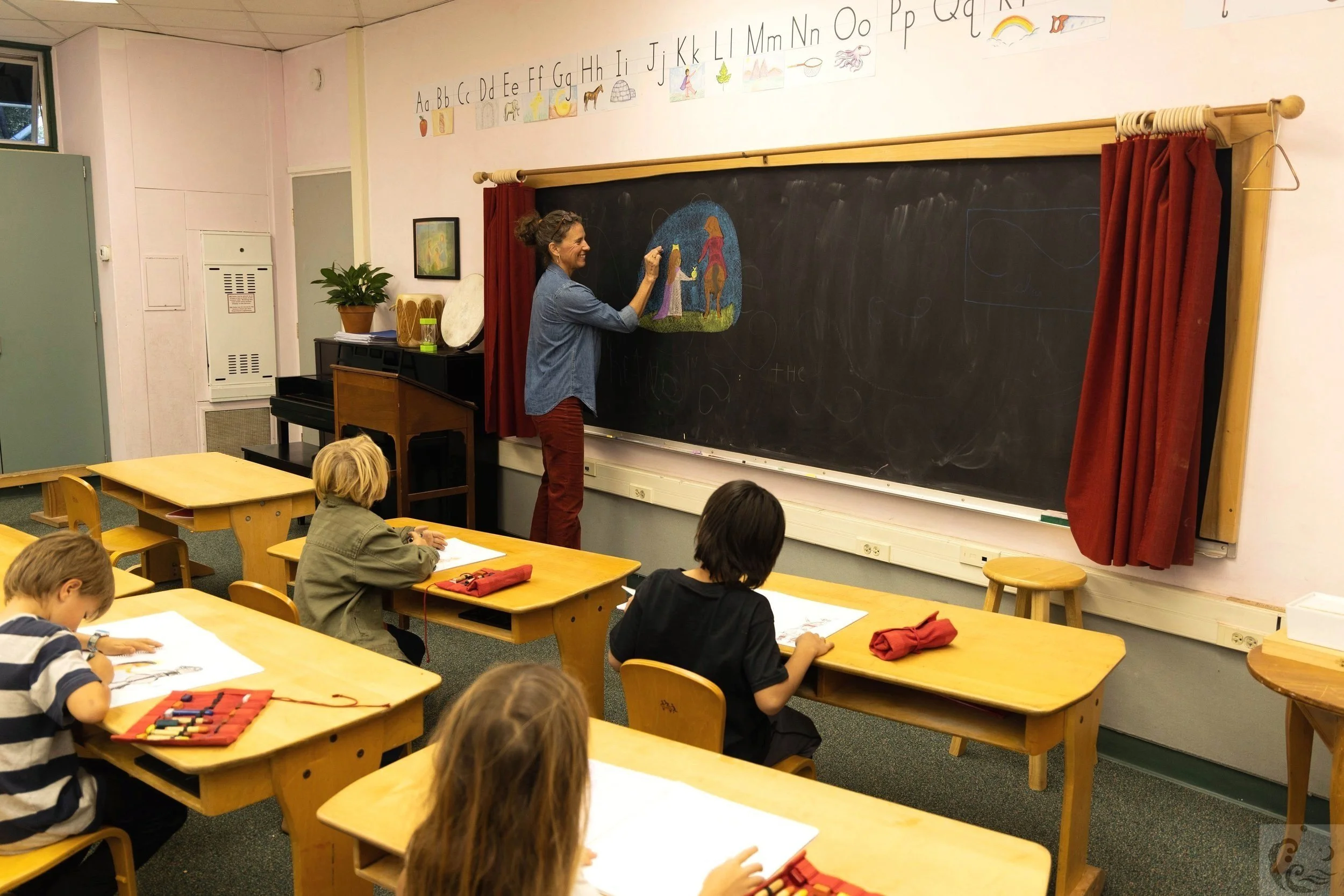
Waldorf education emphasizes creativity, imagination, and reverence for the natural world. Academics are introduced in developmentally-appropriate way, are screen-free in the early years, and have a strong focus on storytelling, the arts, movement, and practical skills. Our goal is to cultivate well-rounded, free-thinking individuals with a lifelong love of learning.
Waldorf education is a holistic, arts-integrated approach to learning that nurtures the head, heart, and hands—or the whole child:
Head: Developing clear thinking, curiosity, and intellectual understanding through age-appropriate academics.
Heart: Cultivating emotional intelligence, compassion, and a sense of beauty through the arts, stories, and human connection.
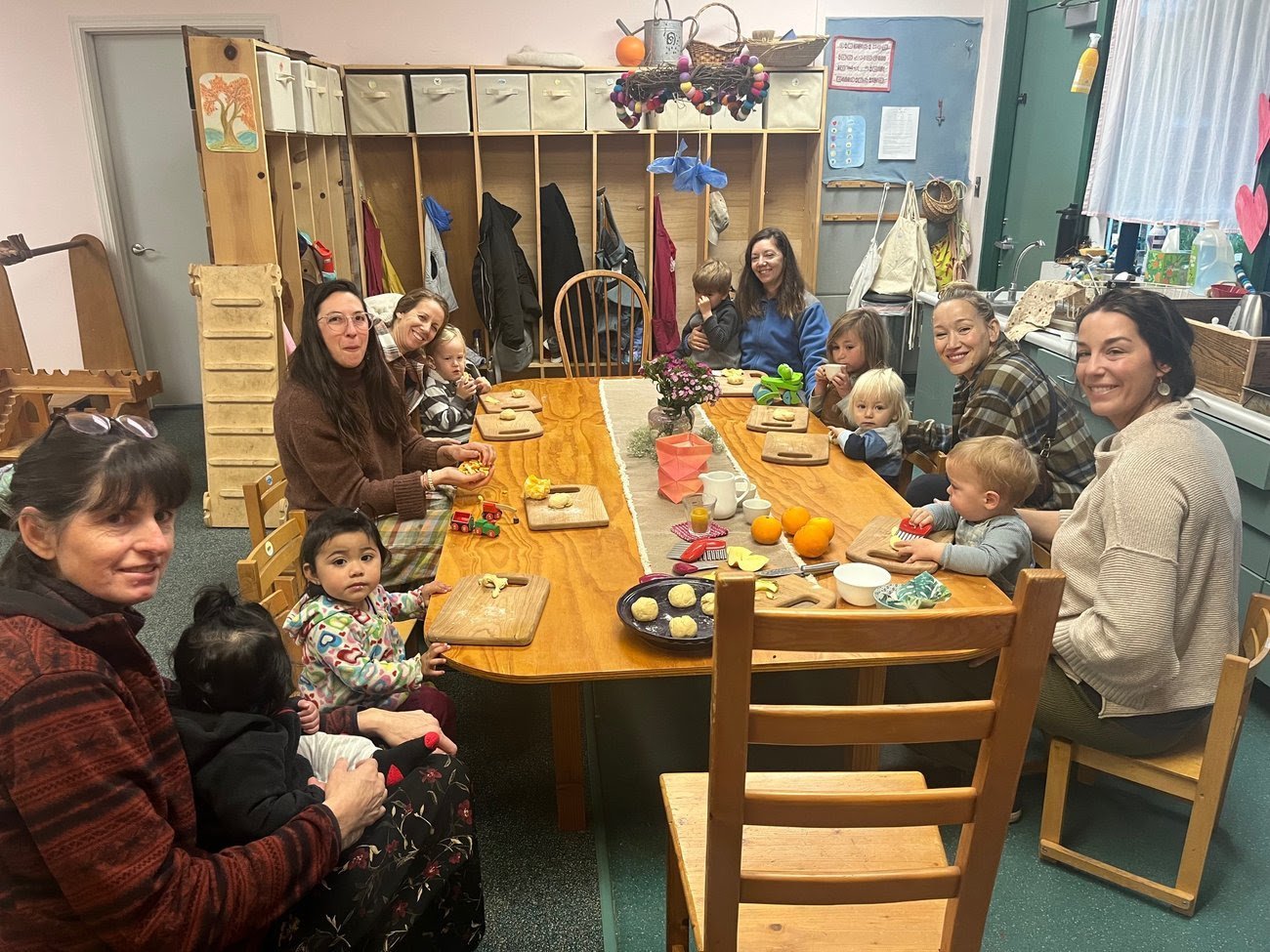
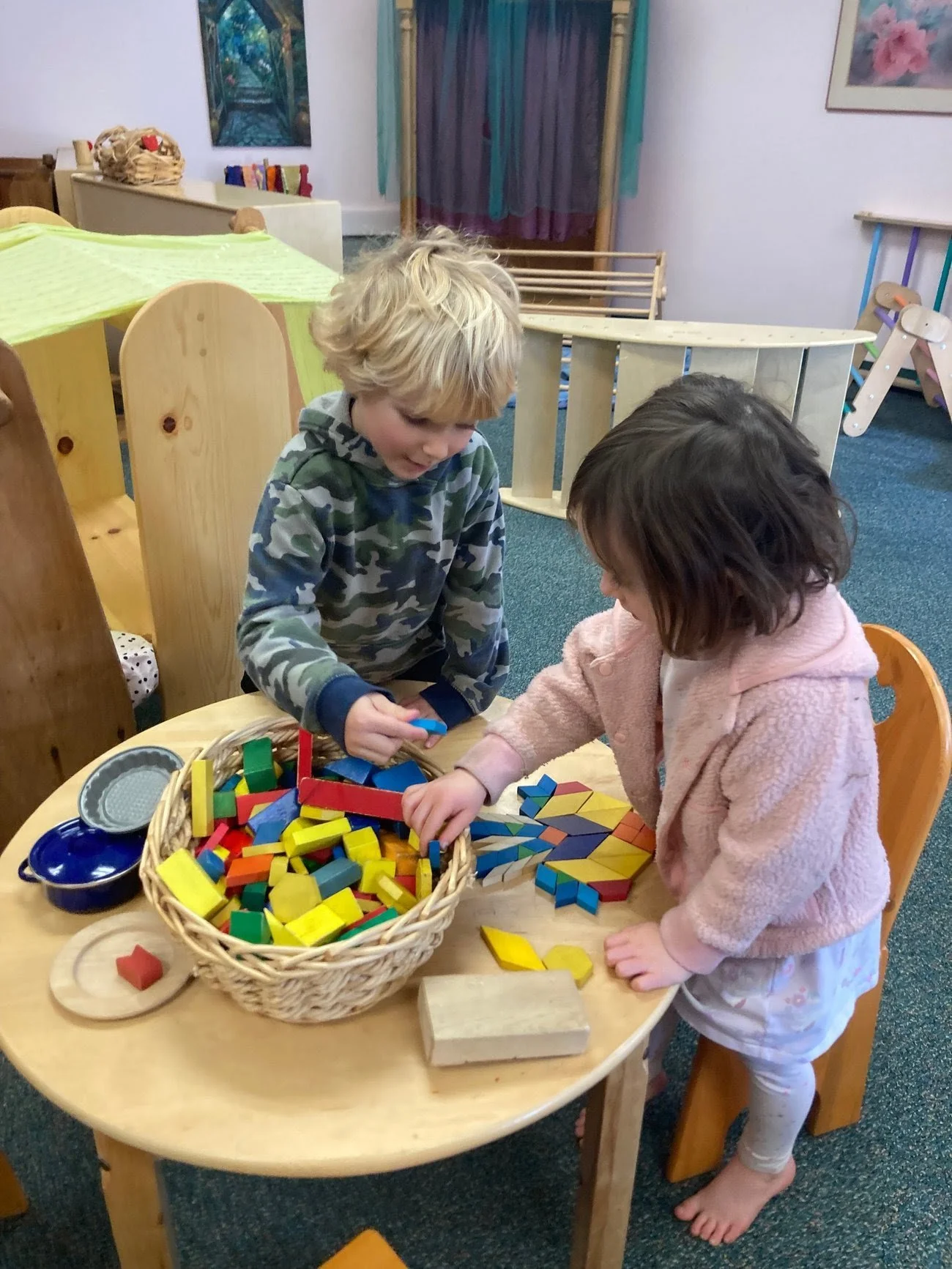
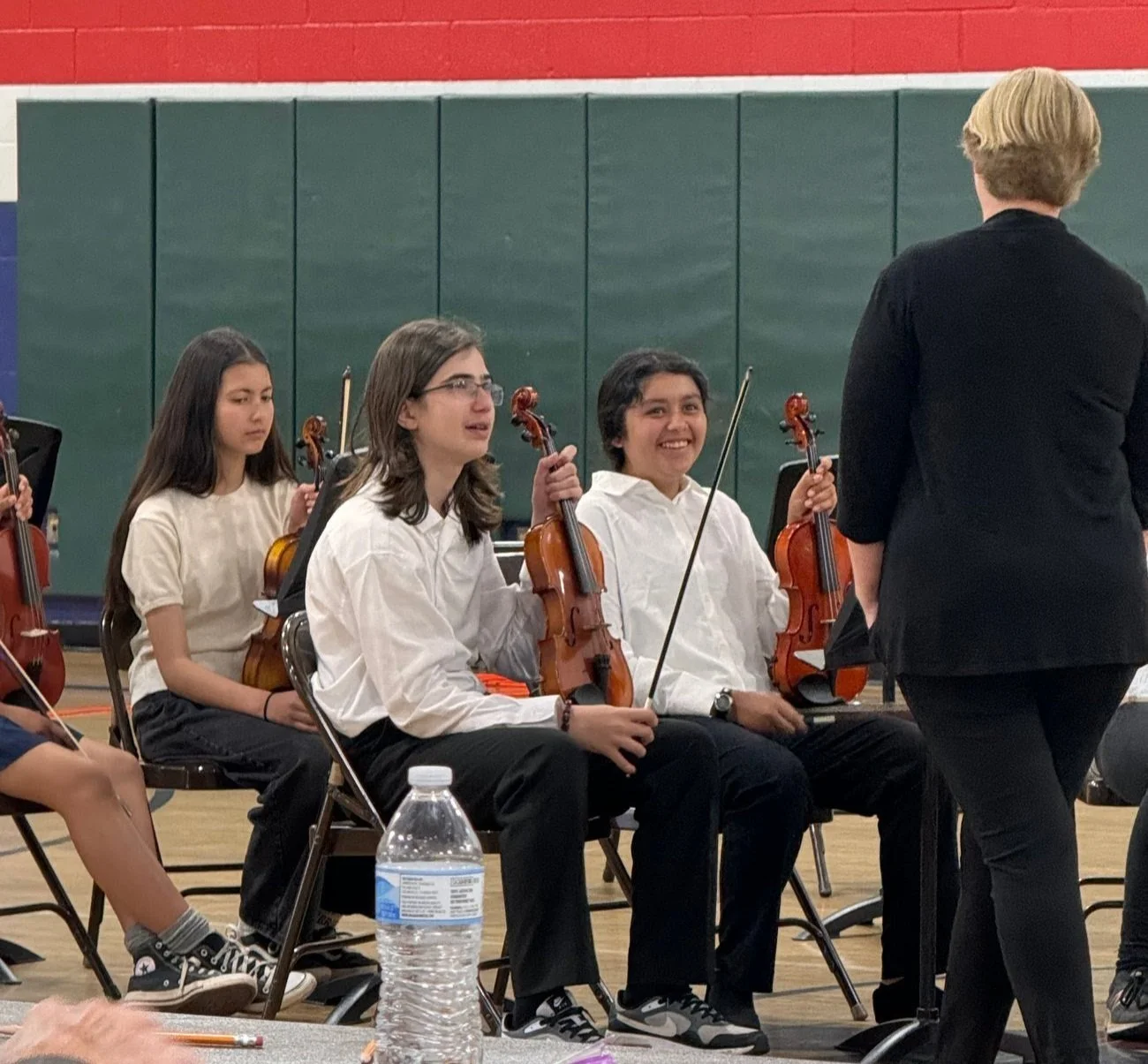
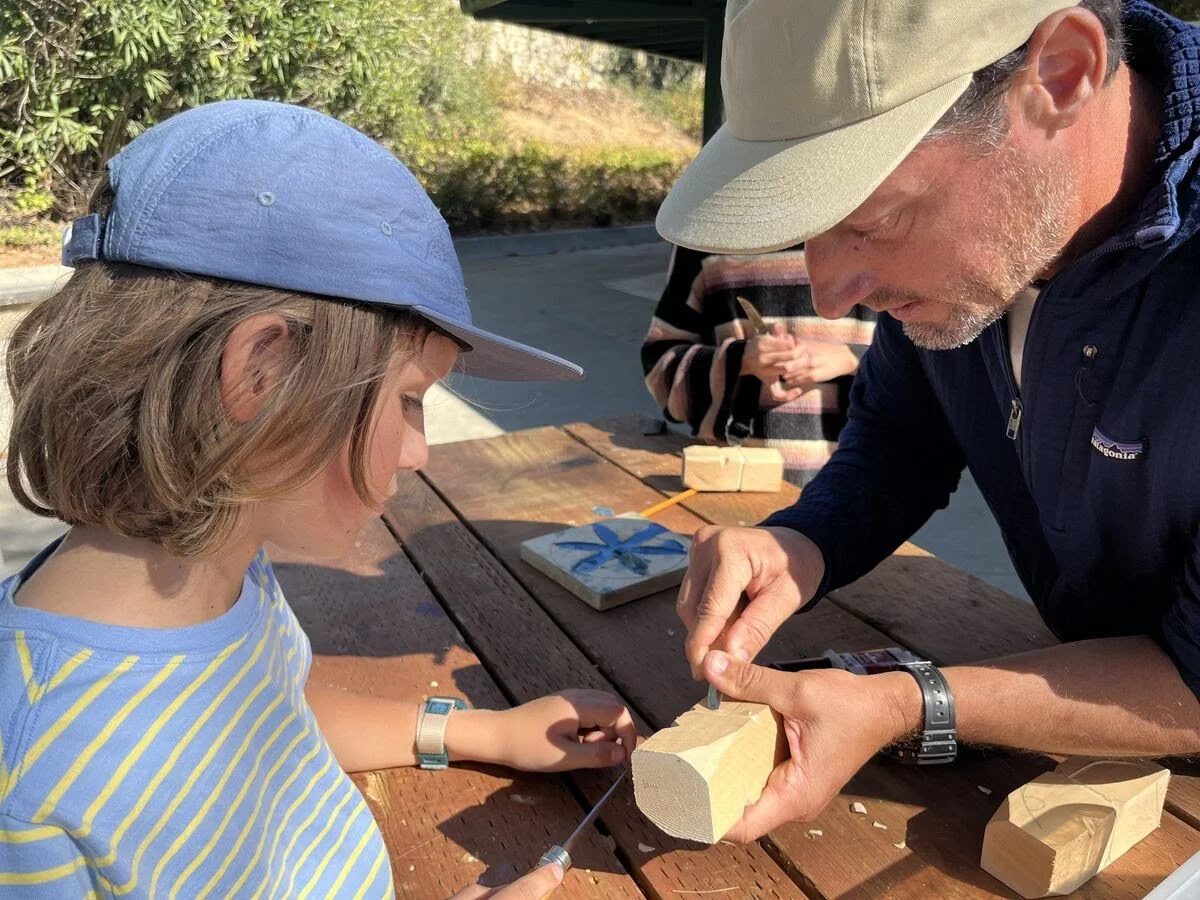
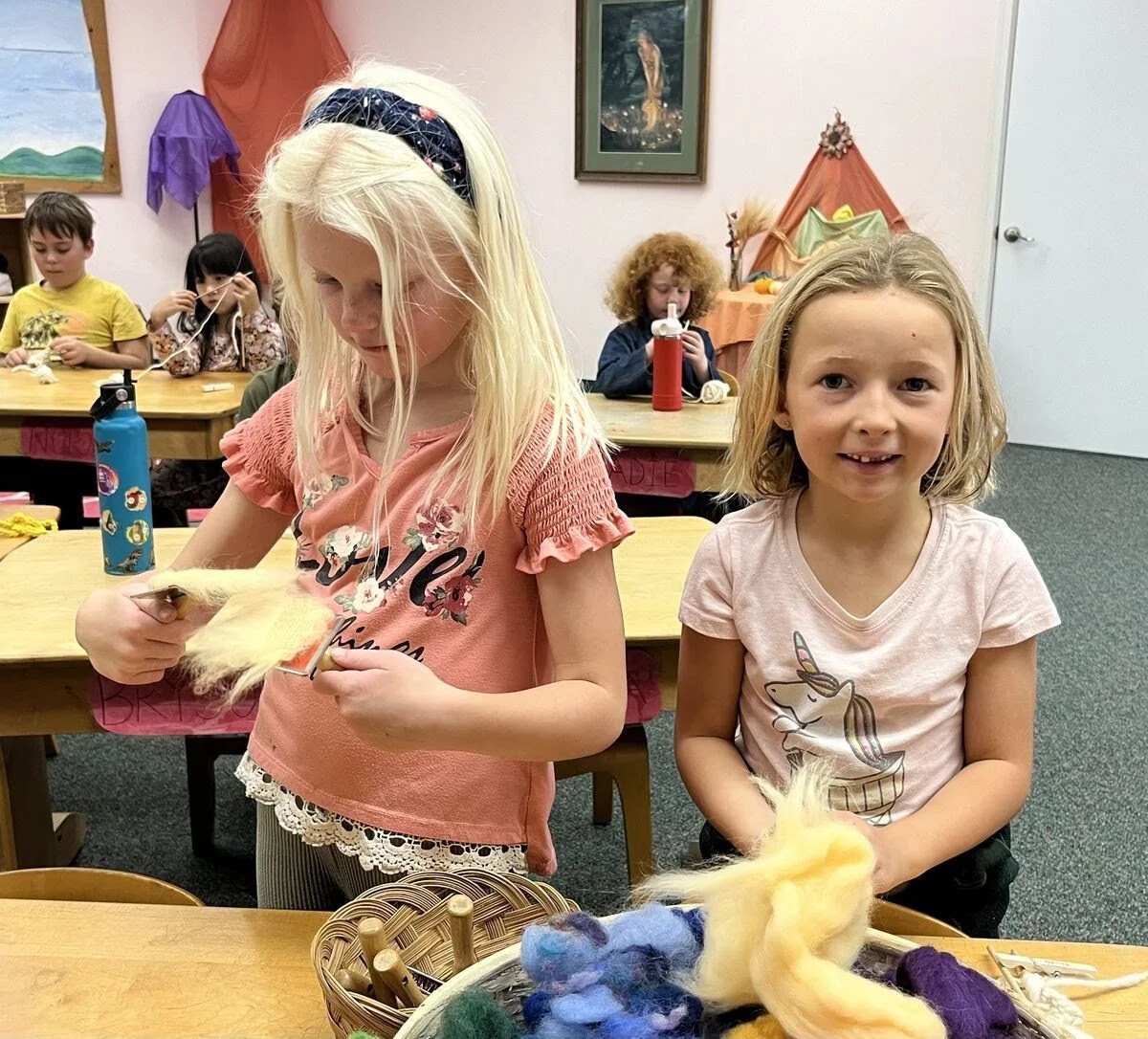
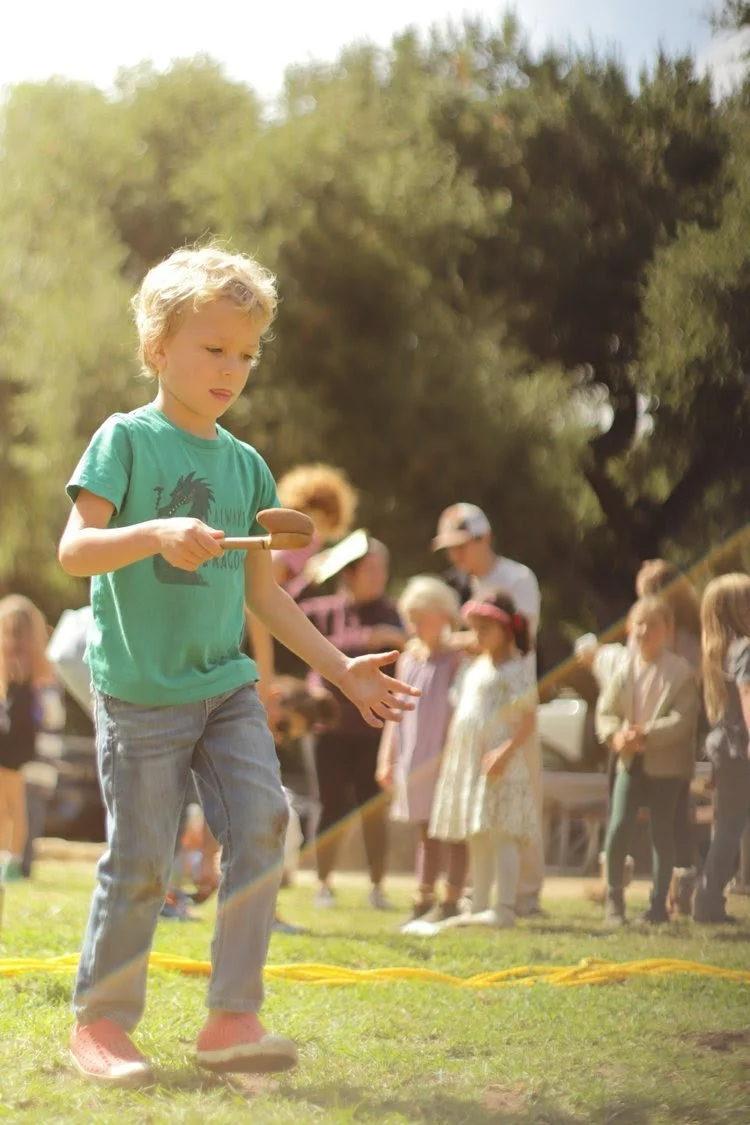
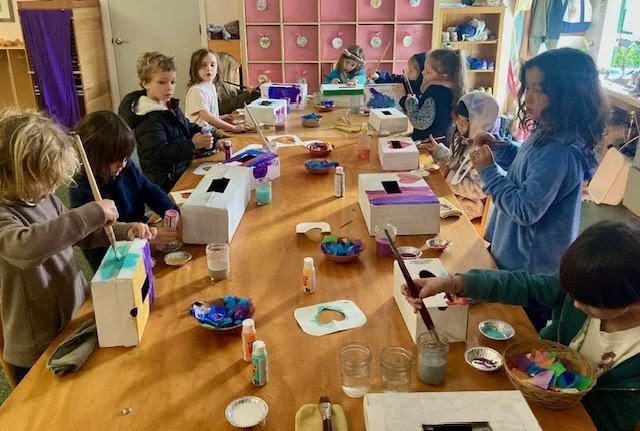
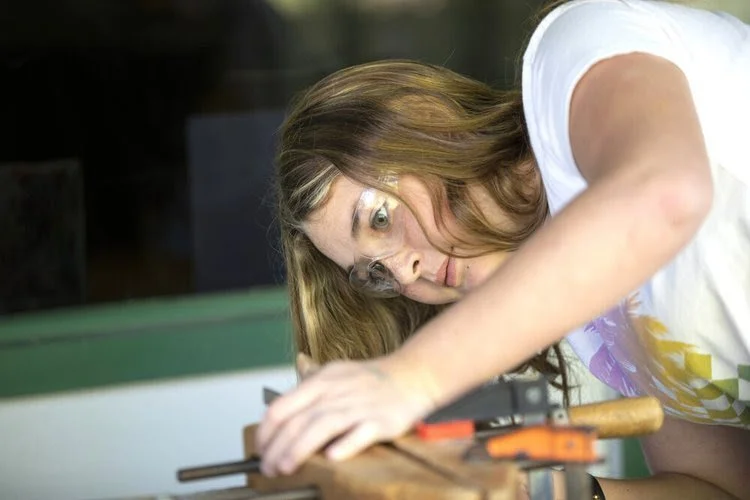
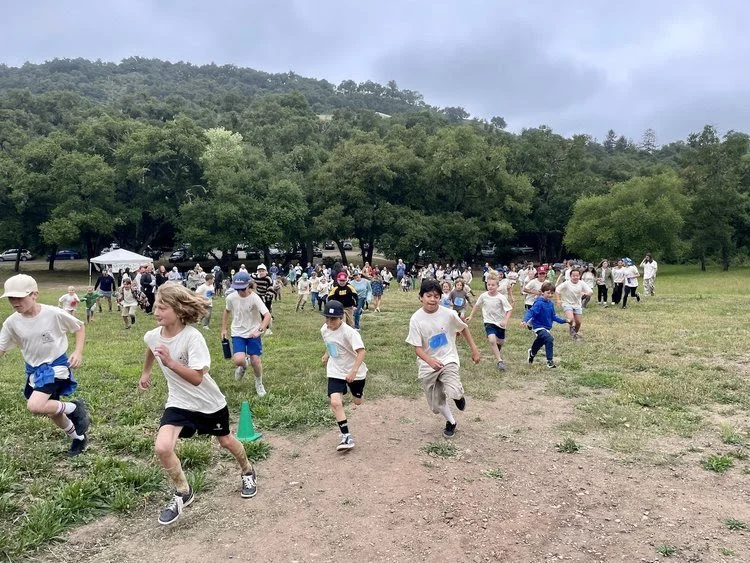
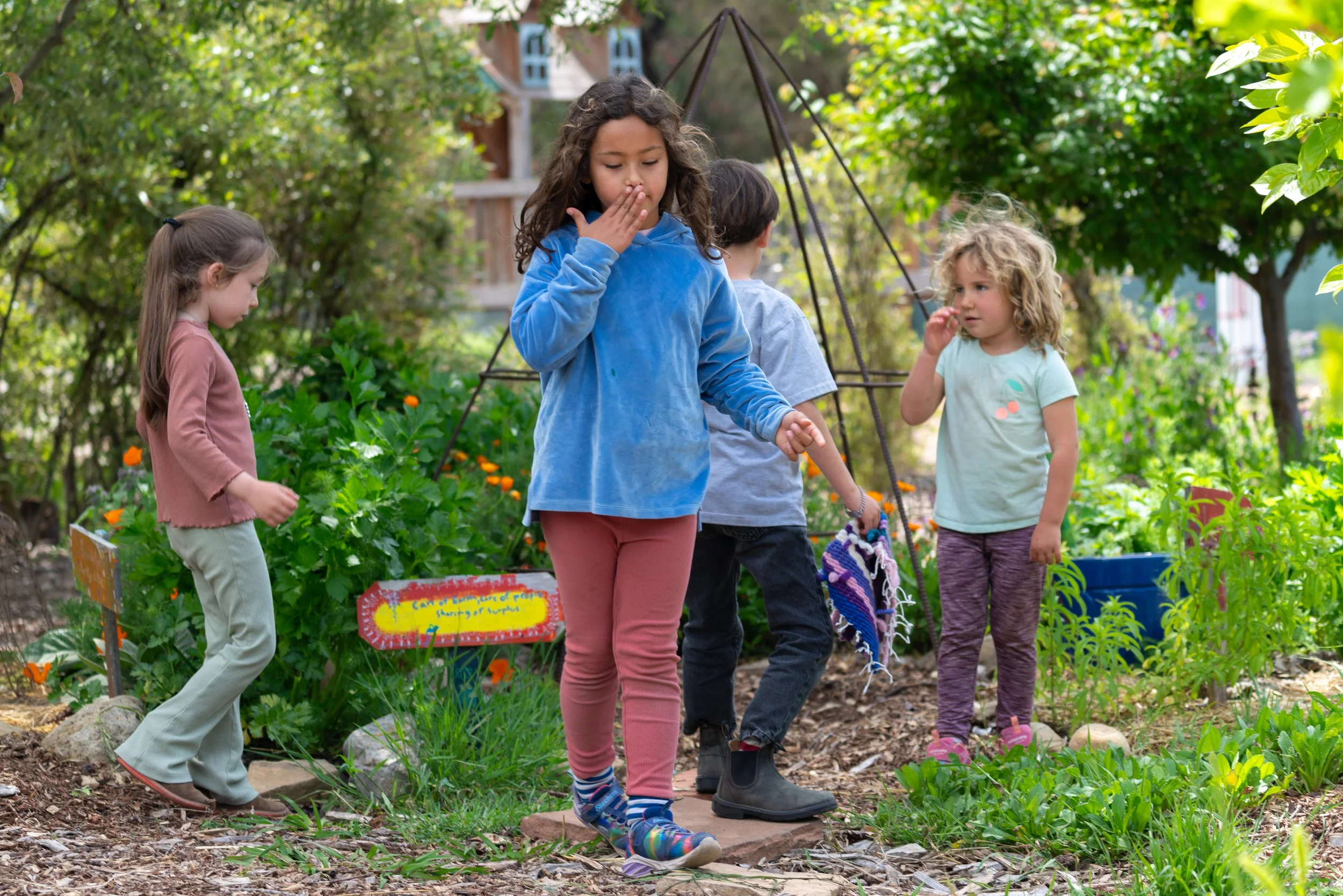
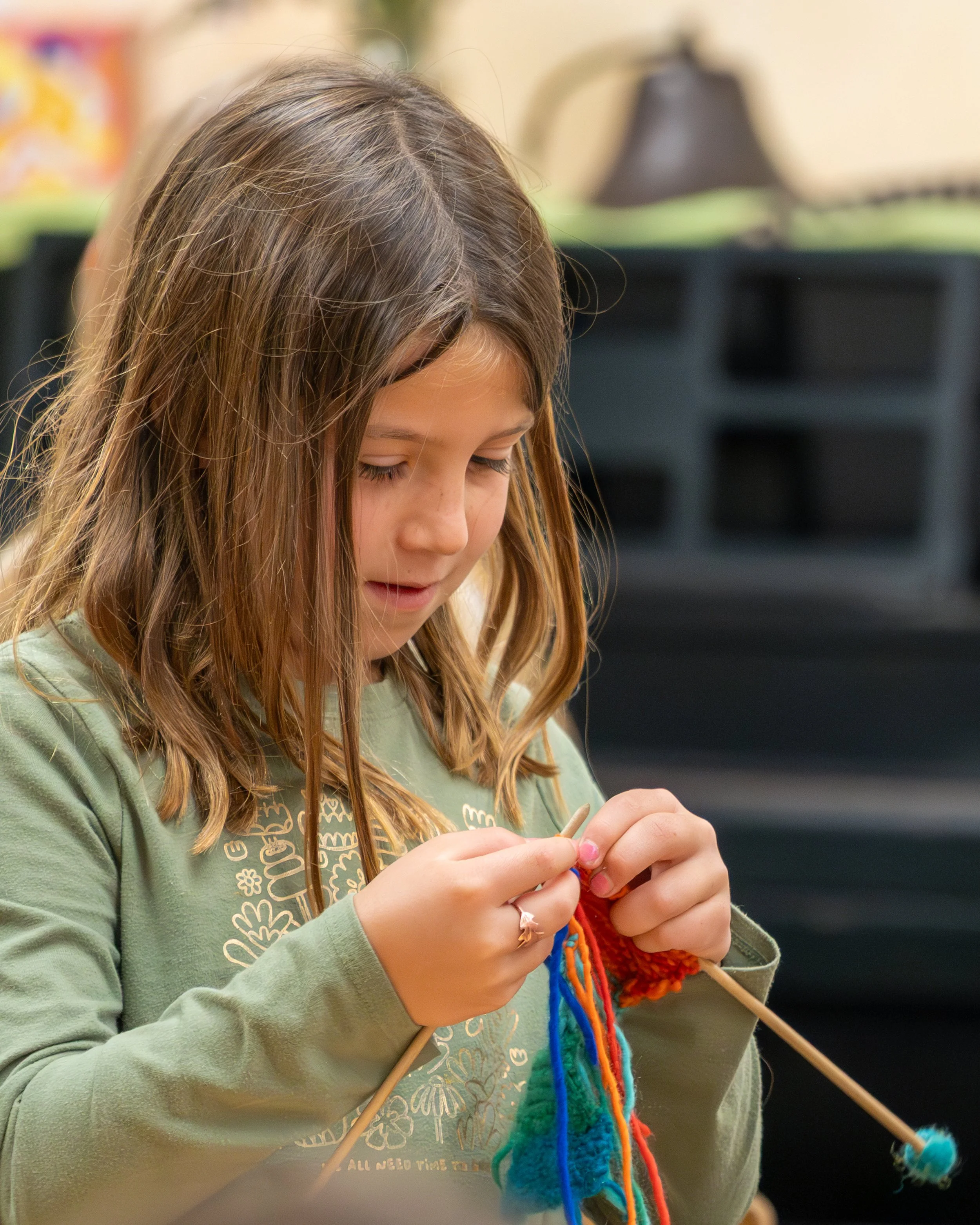
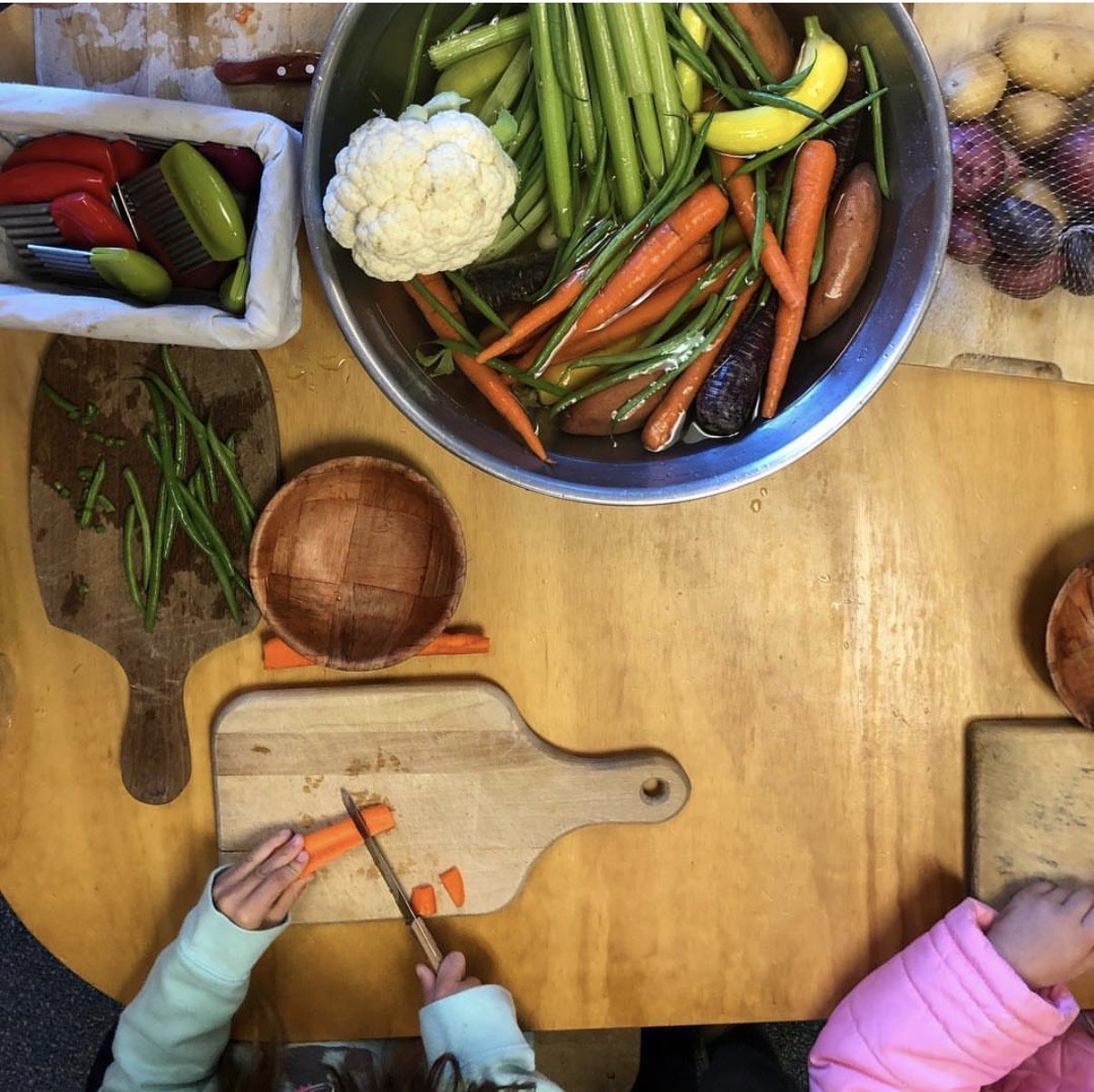
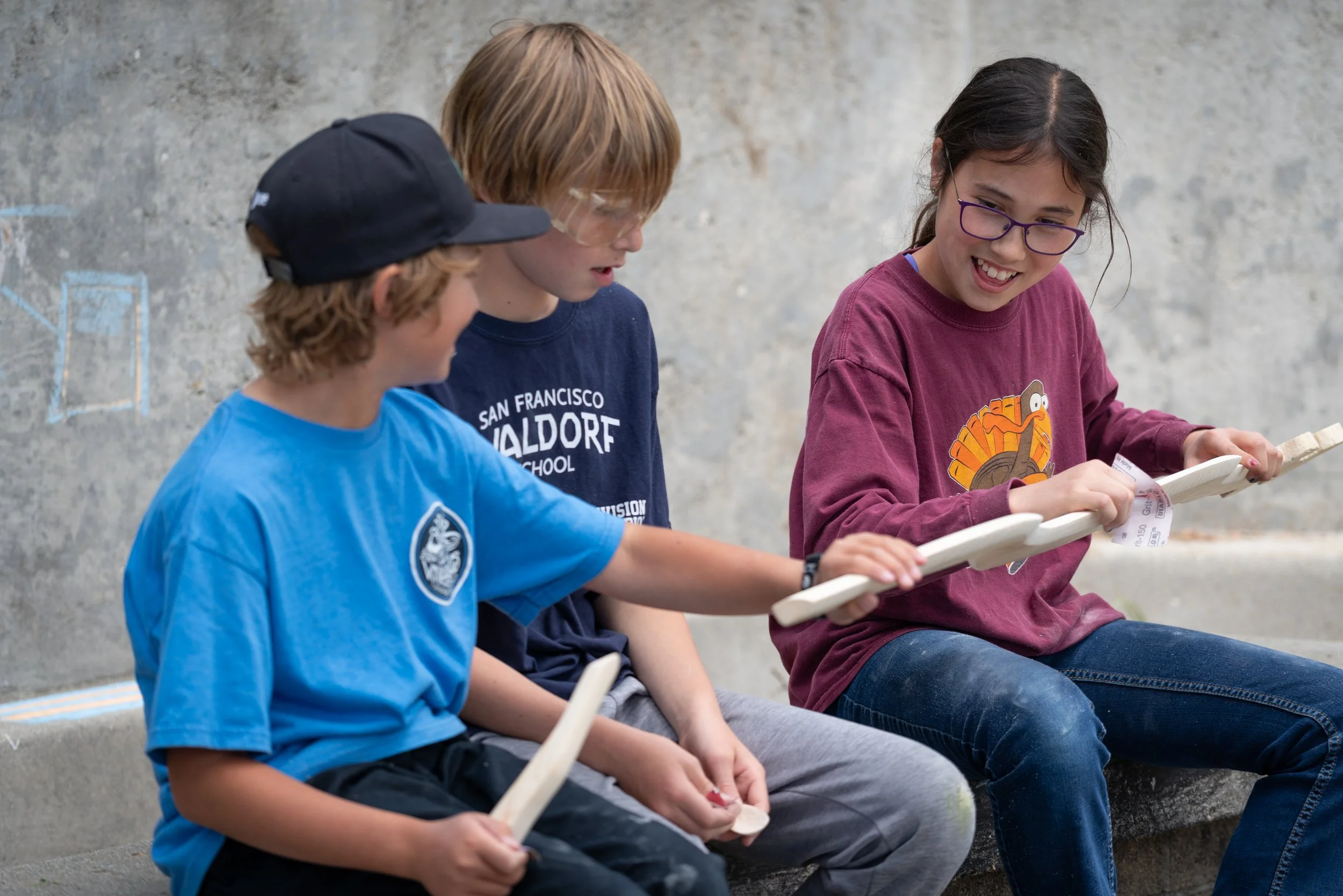
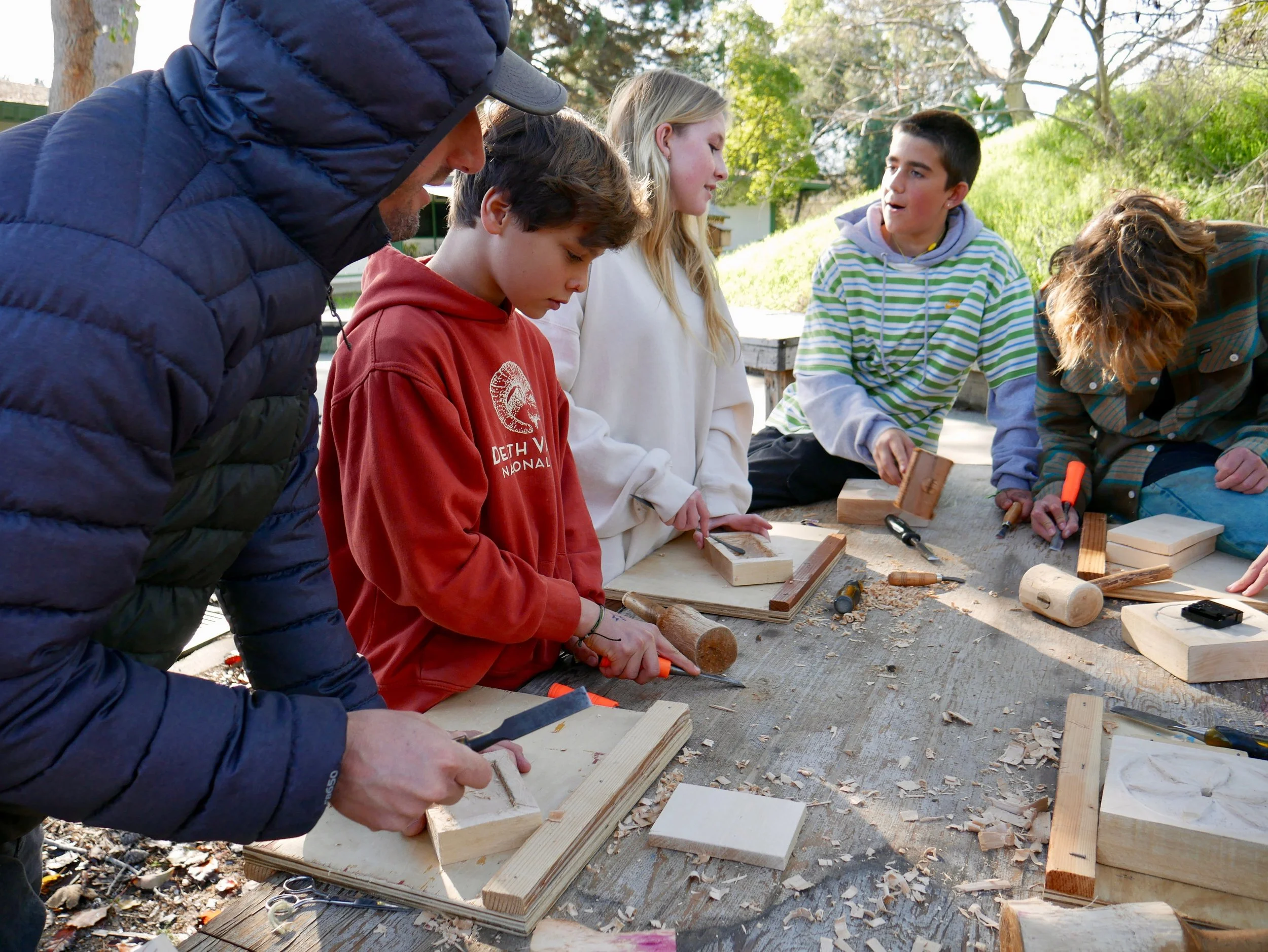
Hands: Encouraging practical skills, creativity, and a connection to the physical world through activities like handwork, gardening, and movement.
This balanced approach supports not just academic growth, but also emotional and physical development—helping children become capable, caring, and thoughtful human beings.
What Sets Waldorf Education Apart From Traditional Schools In Santa Barbara County?
Our education is holistic.
We believe in a well-rounded approach to health and happiness, which the ancient Greeks called eudaimonia, or living in alignment with your highest self, purpose, and values.
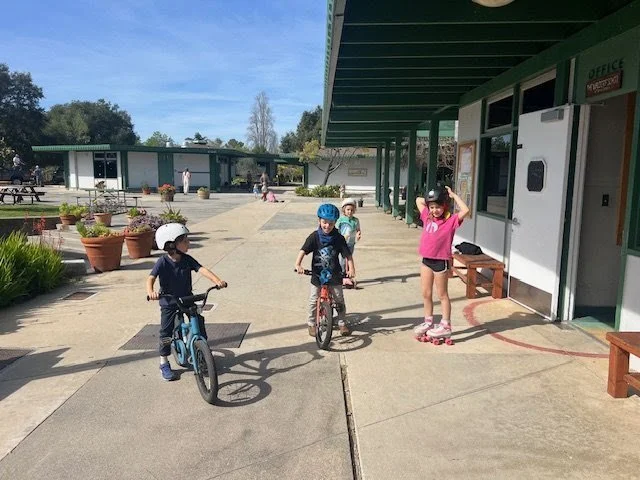
Unlike today's "head-first" culture, we don't put math above music, or academics above gardening and play. We believe all these human activities are equally valuable, and that nurturing one naturally helps the others grow.
Our education is one of technological prudence.
In a world increasingly dominated by digital technology, Waldorf education does not use screens in our classrooms. This philosophy is rooted in the belief that a child's development benefits from a "spare approach to high technology."
Vicki Larson, in her essay "Waldorf Education and the Use of Technology," explains the reasoning: "Since a primary goal of Waldorf education is to ground students in their bodies, in three-dimensional unmediated space and human interaction, the schools aim to offer students unmediated experiences." Larson argues that electronic technology can undermine this core objective.
Our education is imaginative + arts-oriented.
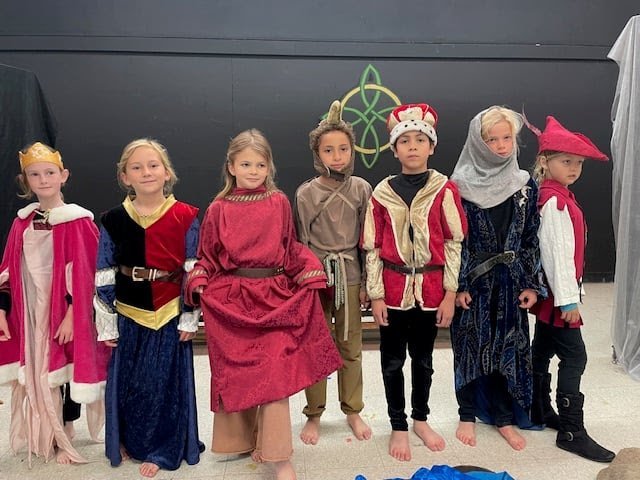
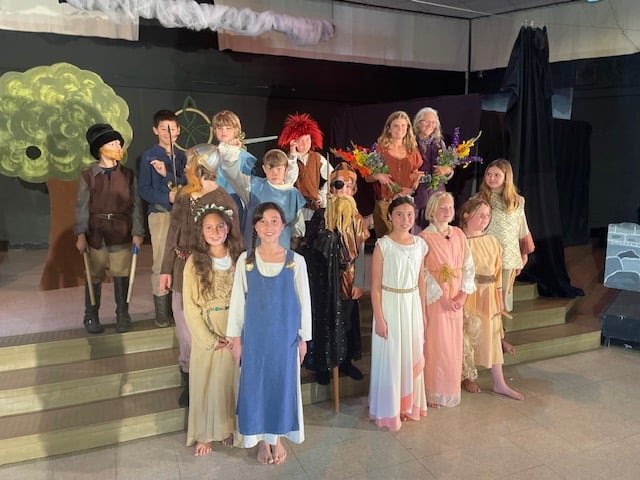
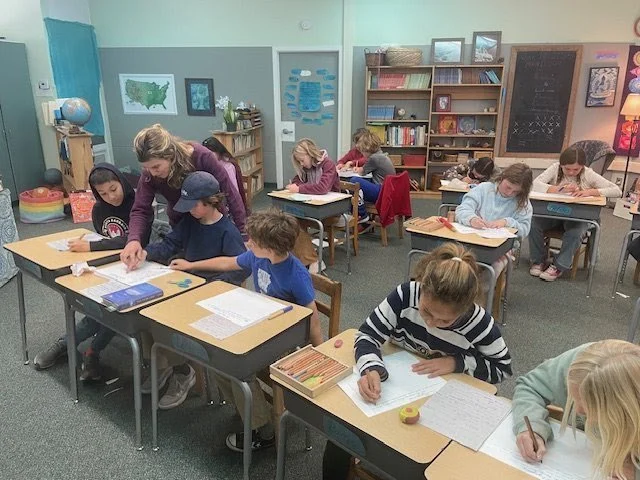
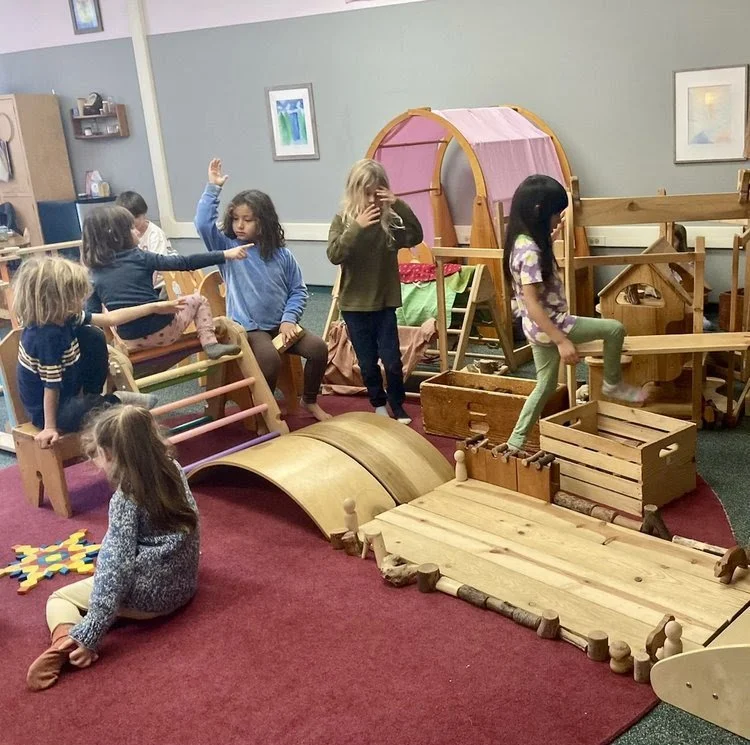
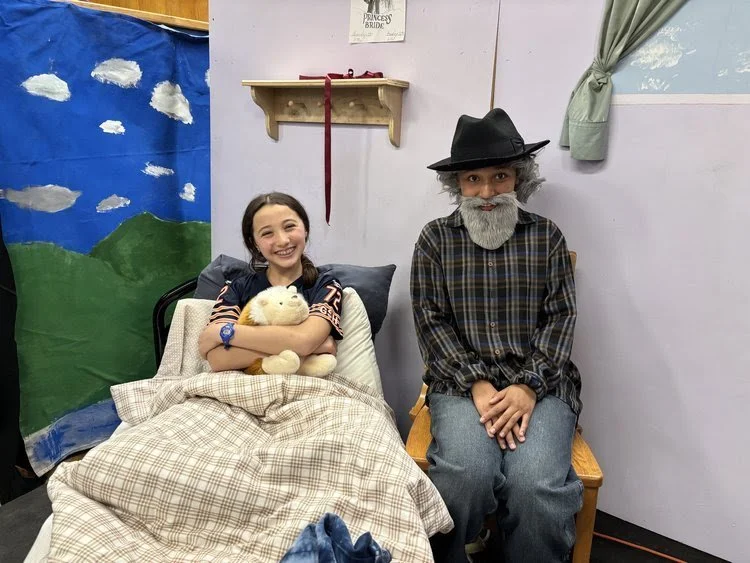
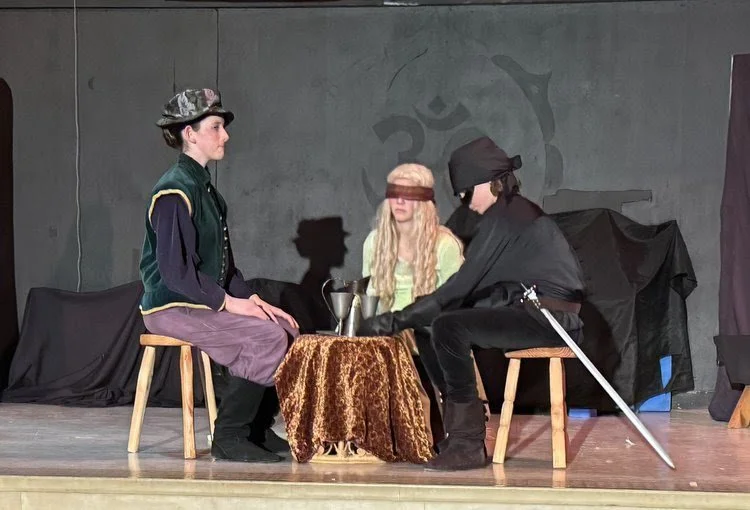
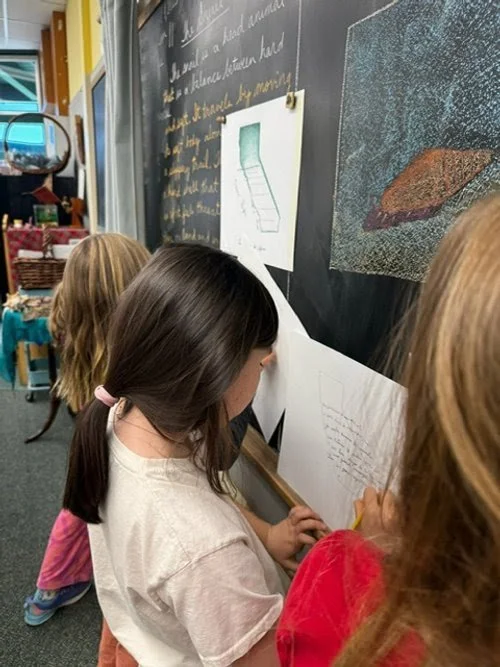
One defining aspect of Waldorf education is its strong focus on creativity, art, and imagination in every facet of learning. This approach is more effective for children of all ages because it engages the whole brain and speaks to the way humans naturally learn and remember. Imaginative learning also weaves facts into coherent, memorable stories, helping children see how things connect—and why they matter.
Our education is rigorous yet developmentally appropriate.
We believe children grow in natural stages, each lasting about seven years and bringing different physical, emotional, and learning needs. Our teachers deeply understand these phases. We aim to give children experiences that support and challenge them—not those that overwhelm or shut them down.
Our education is earth-honoring.
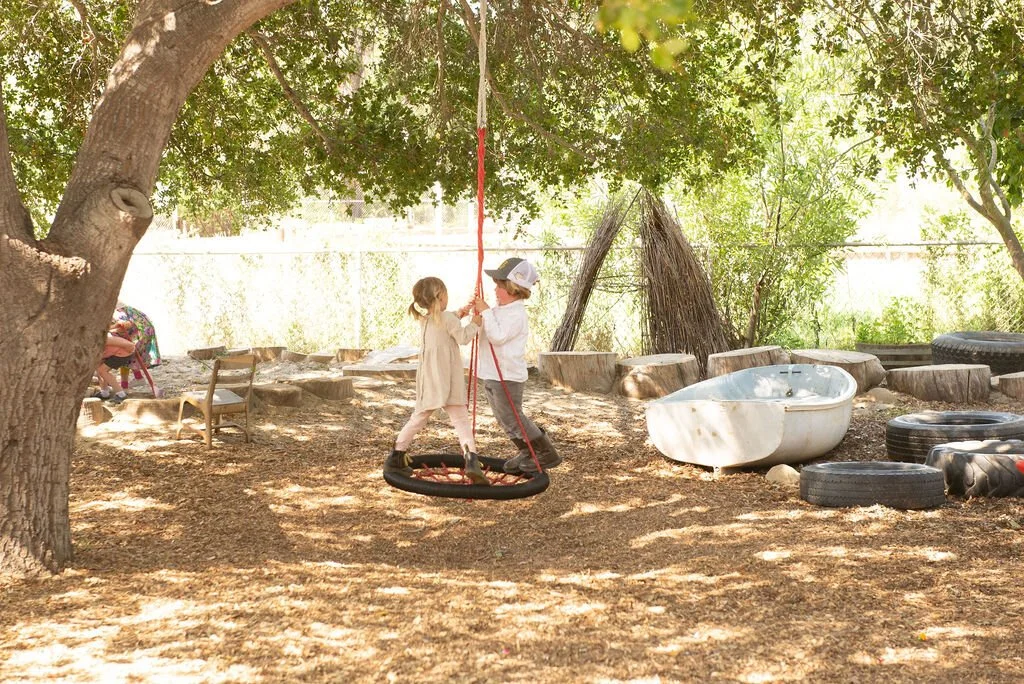
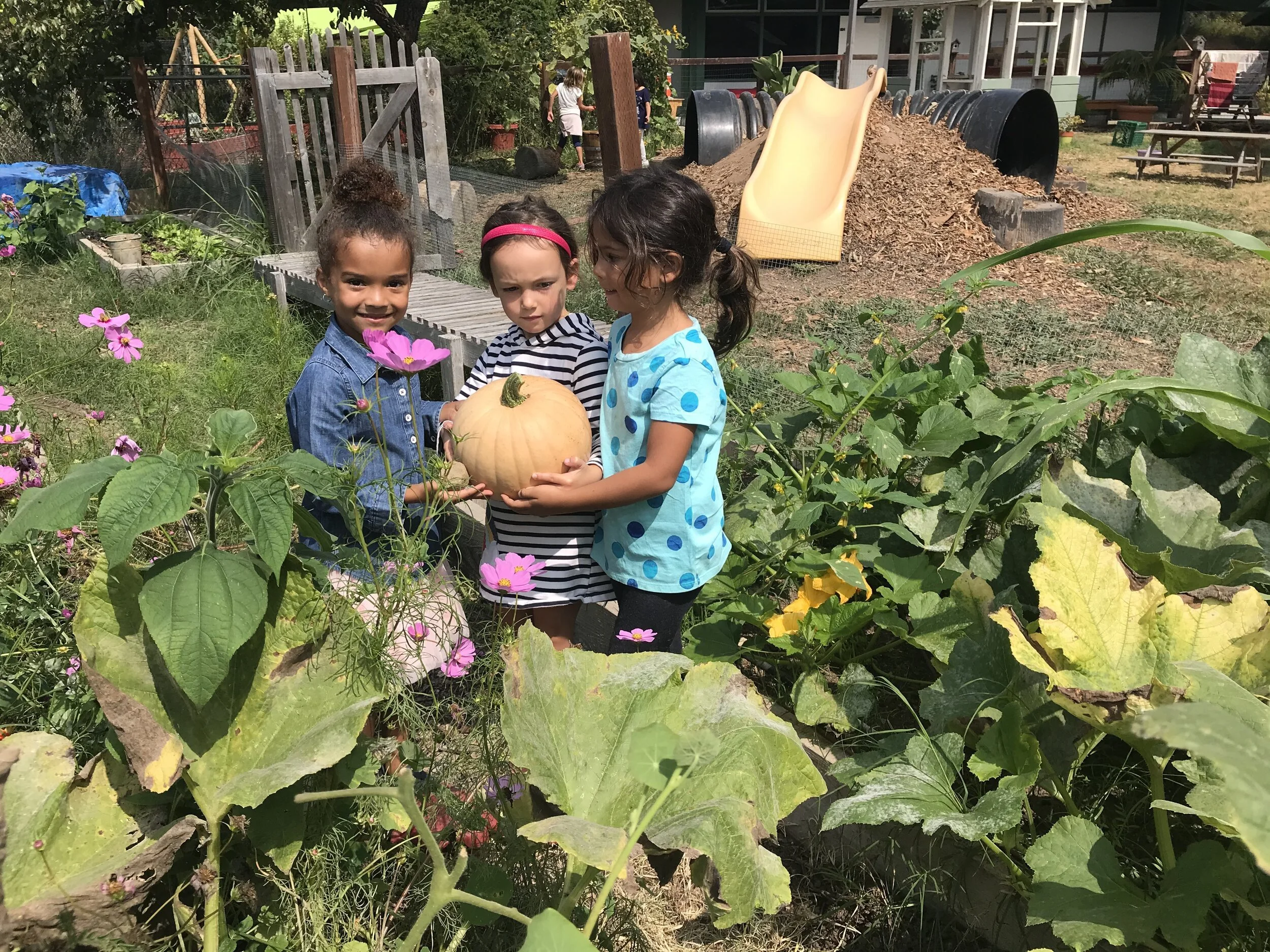
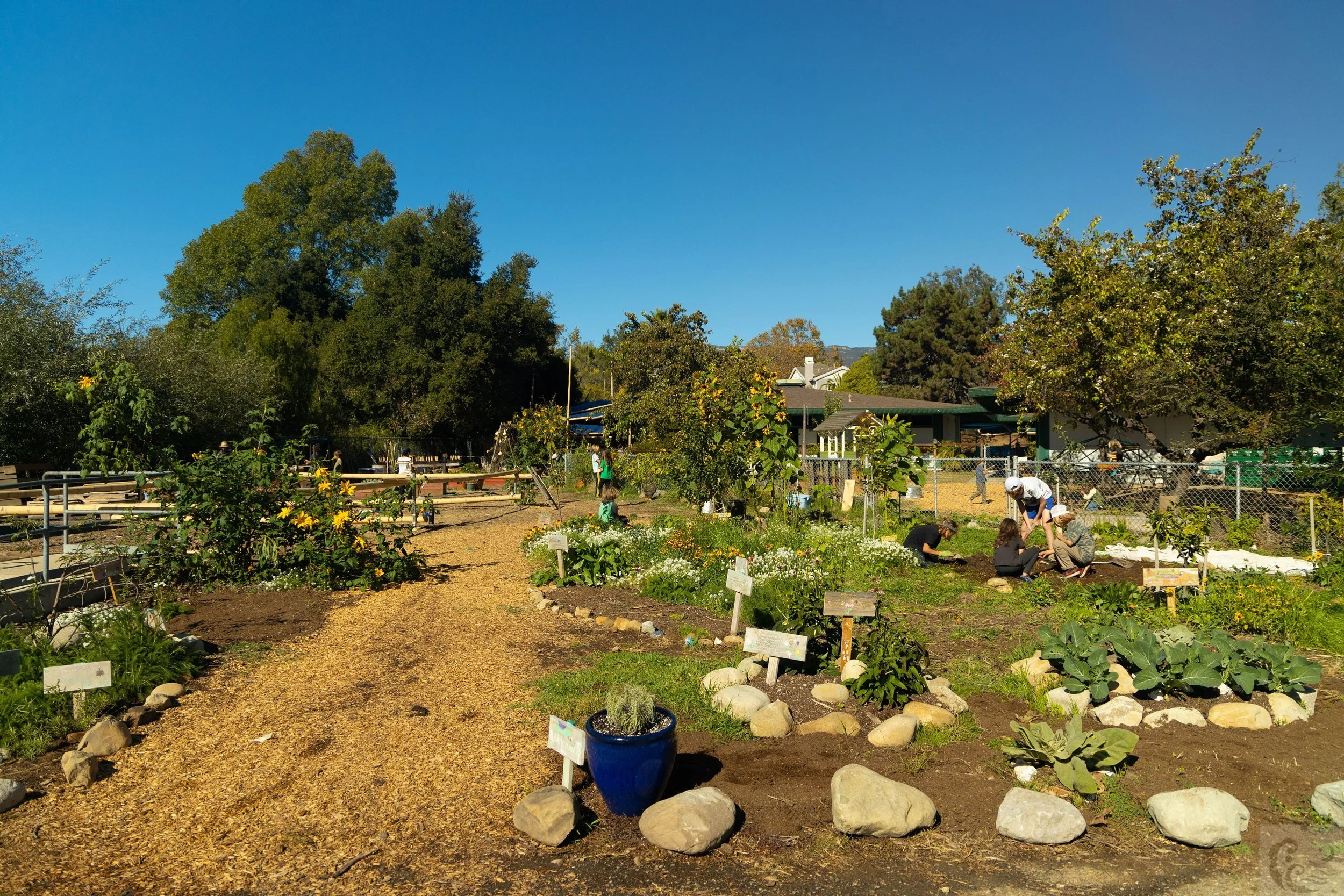
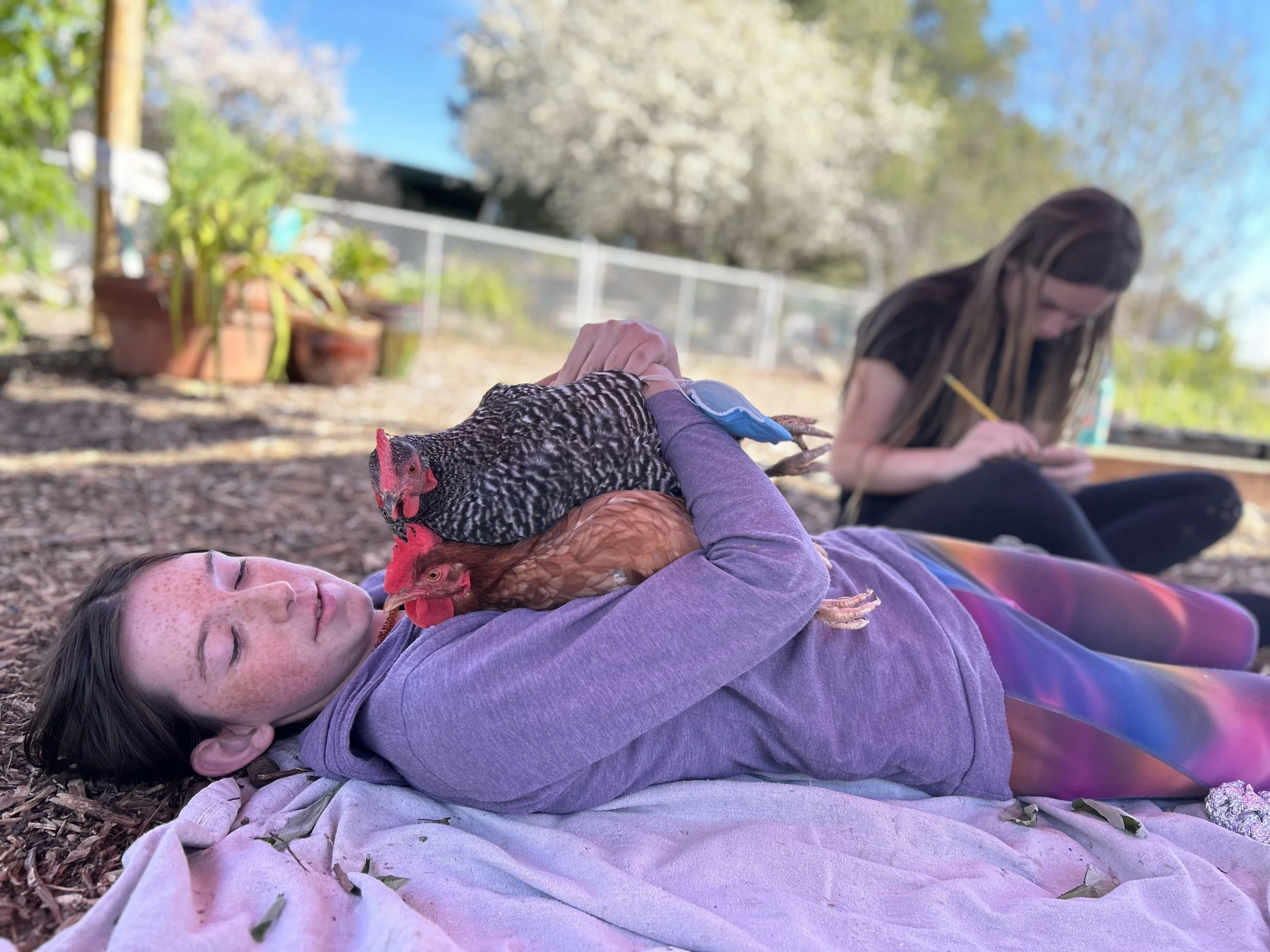
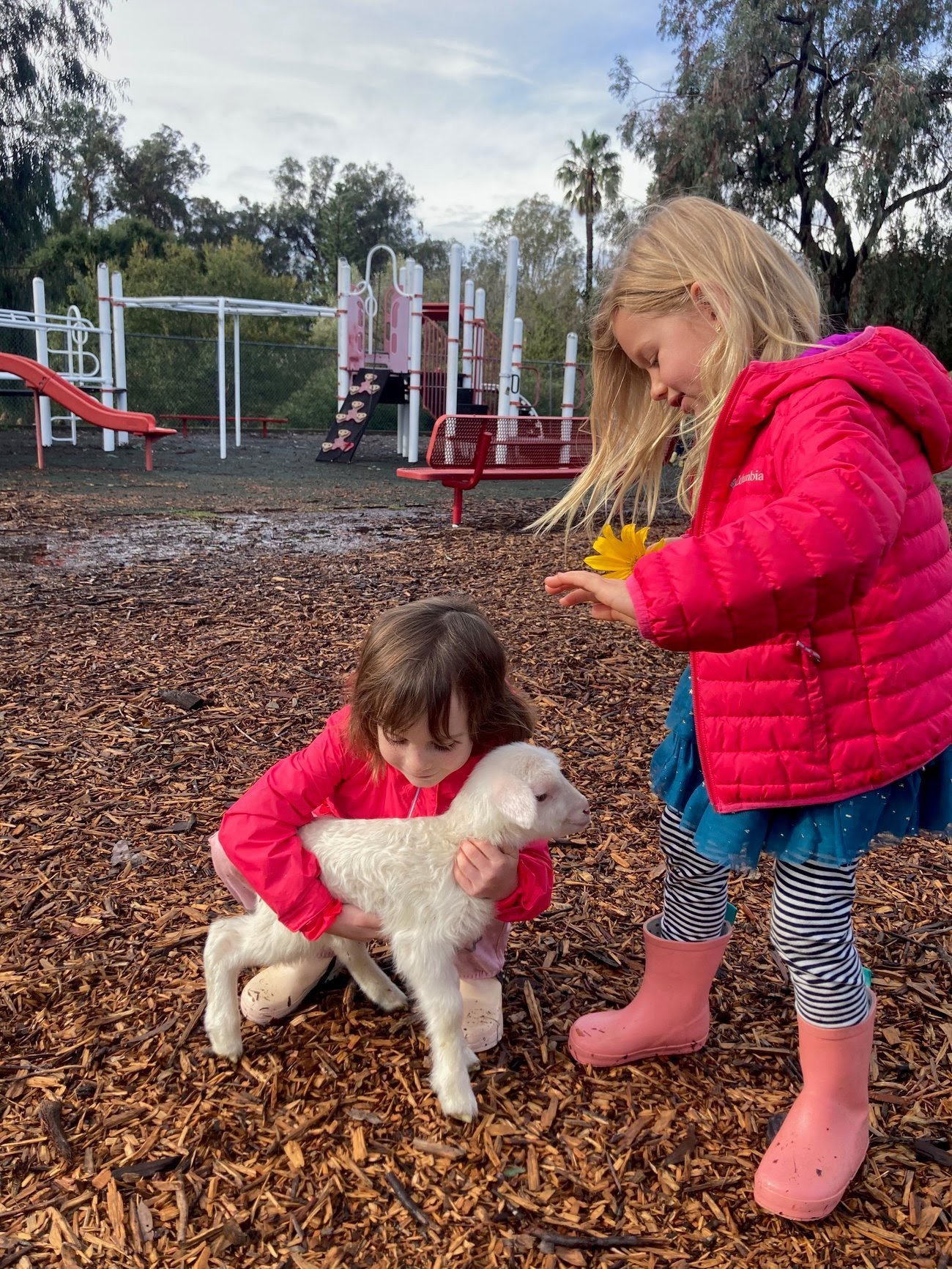
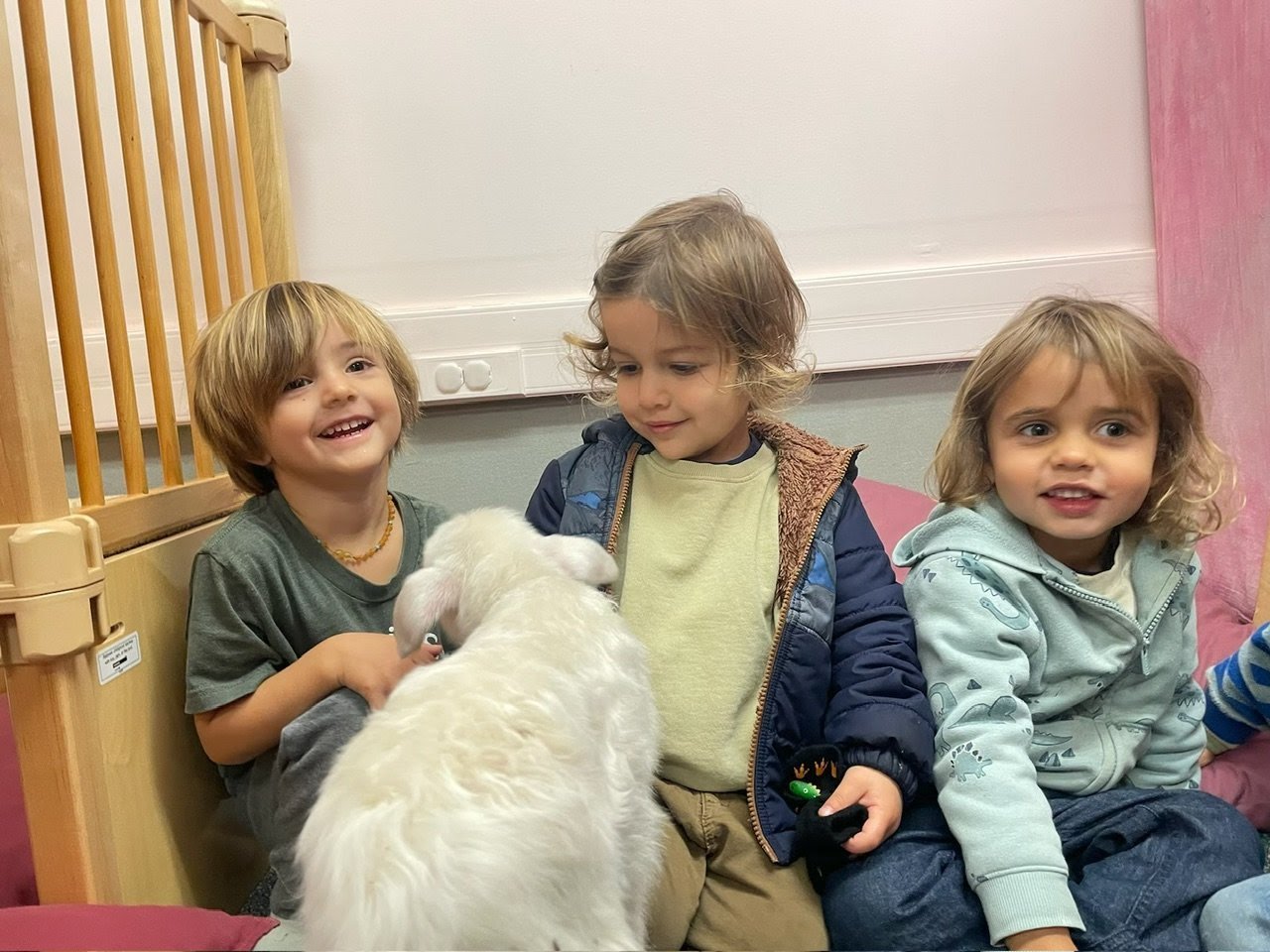
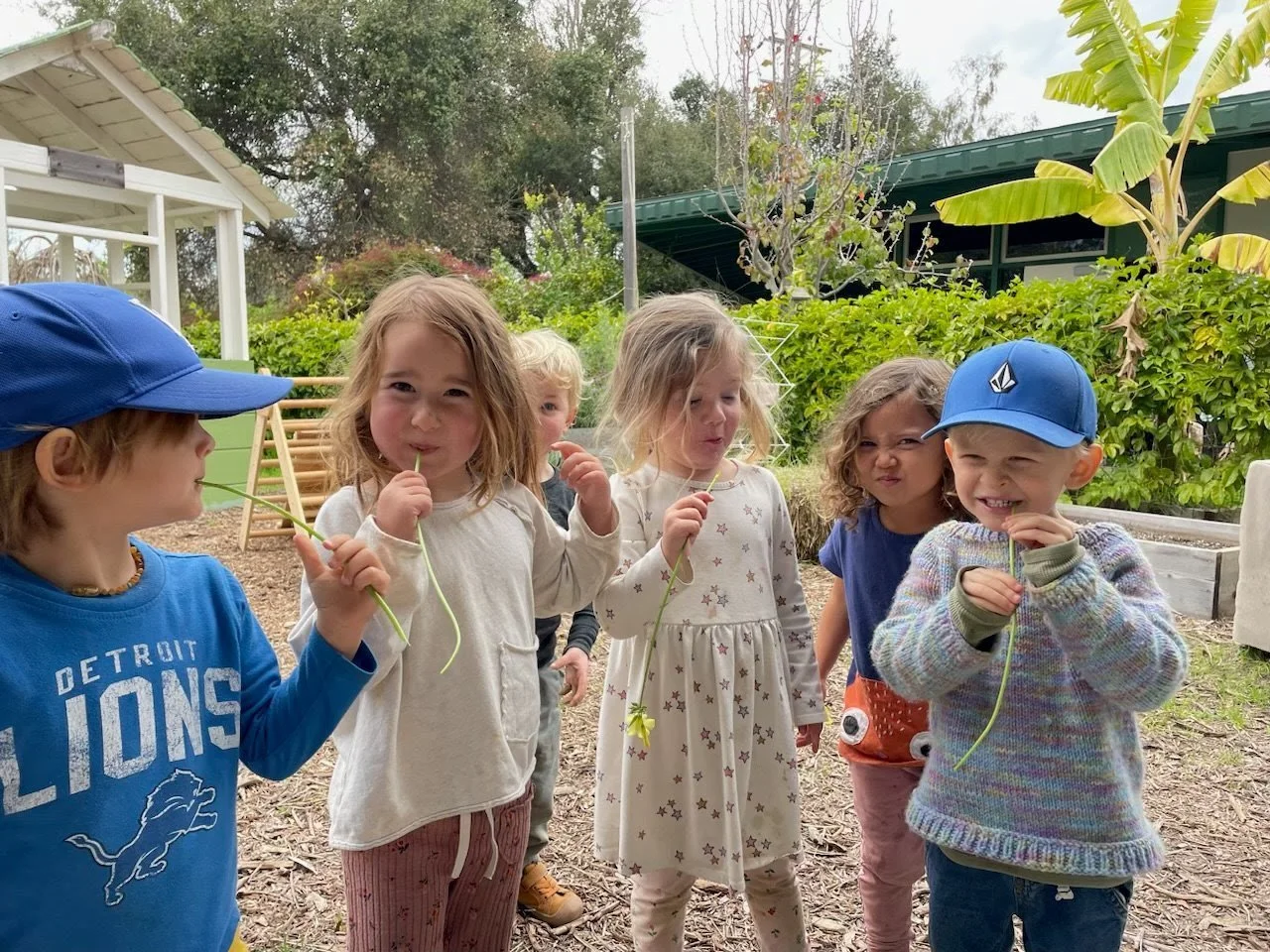
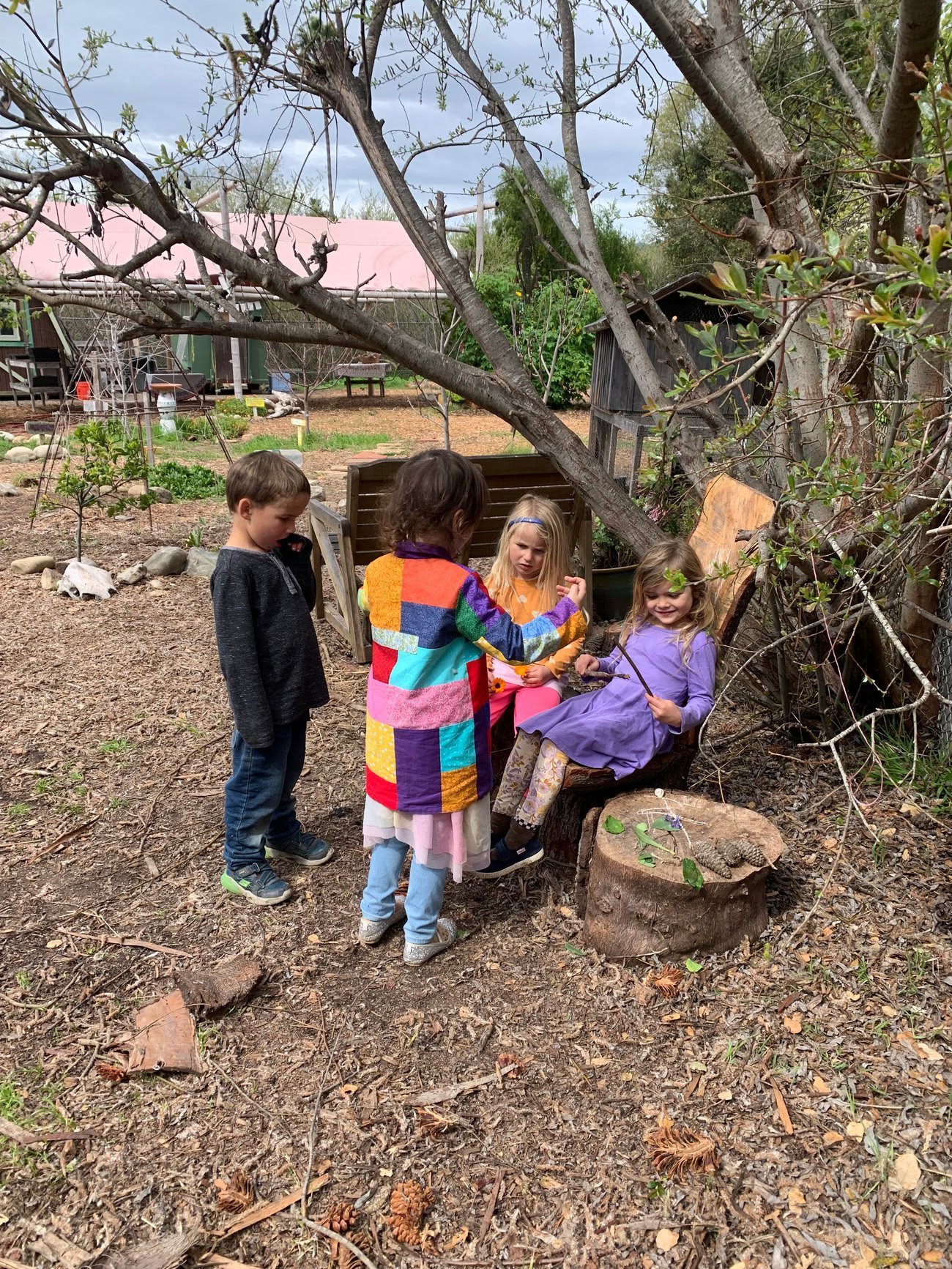
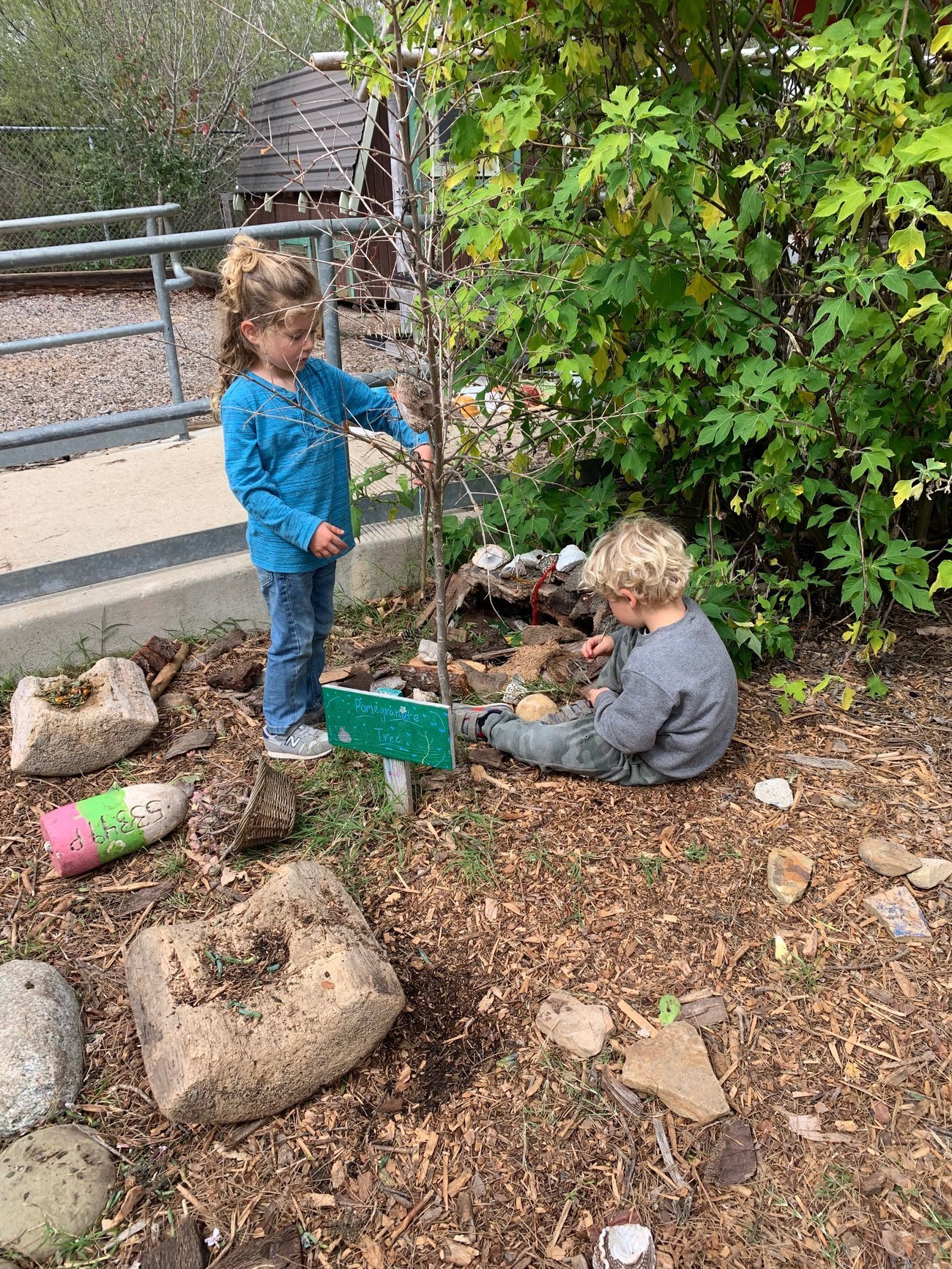
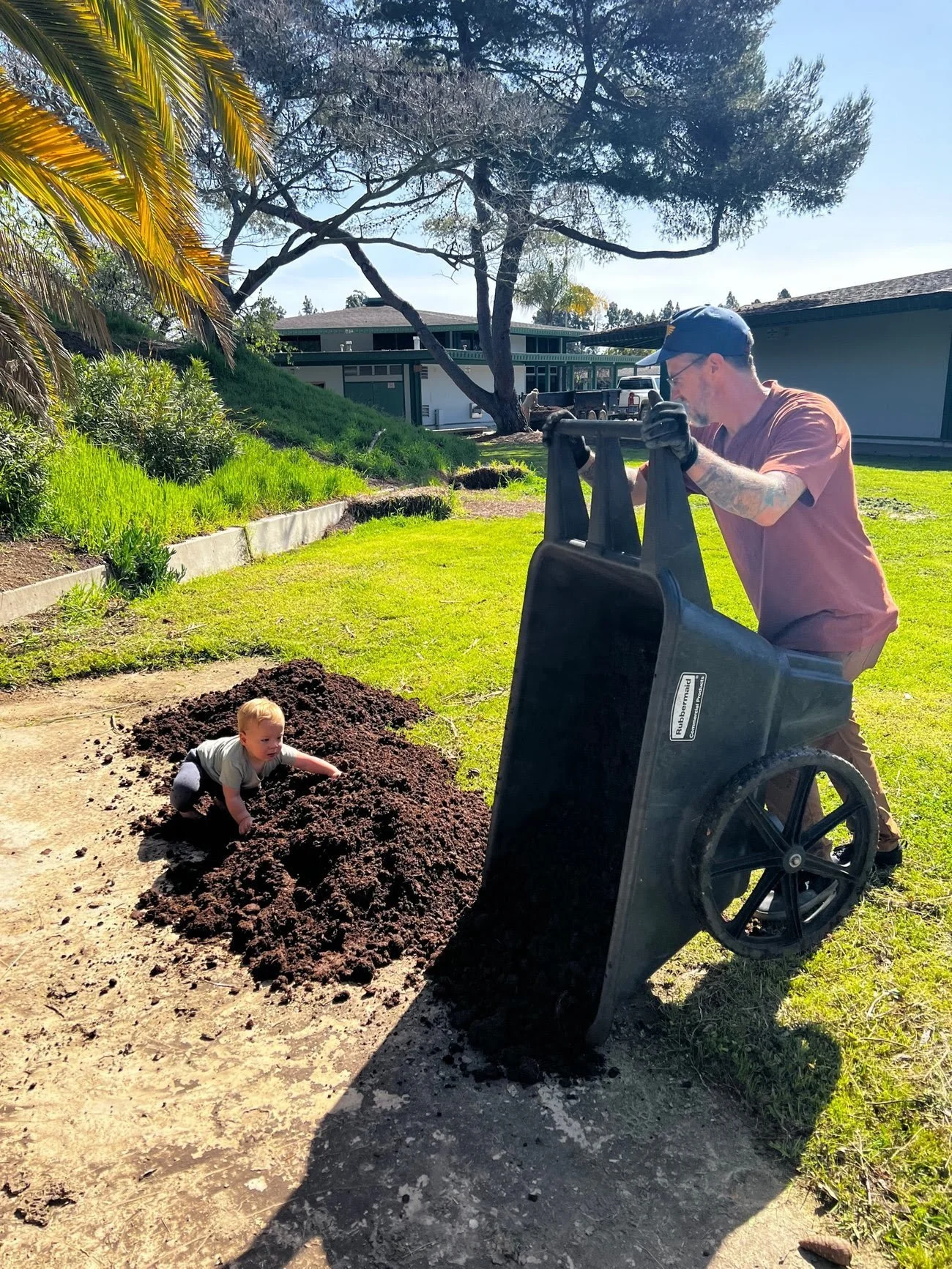
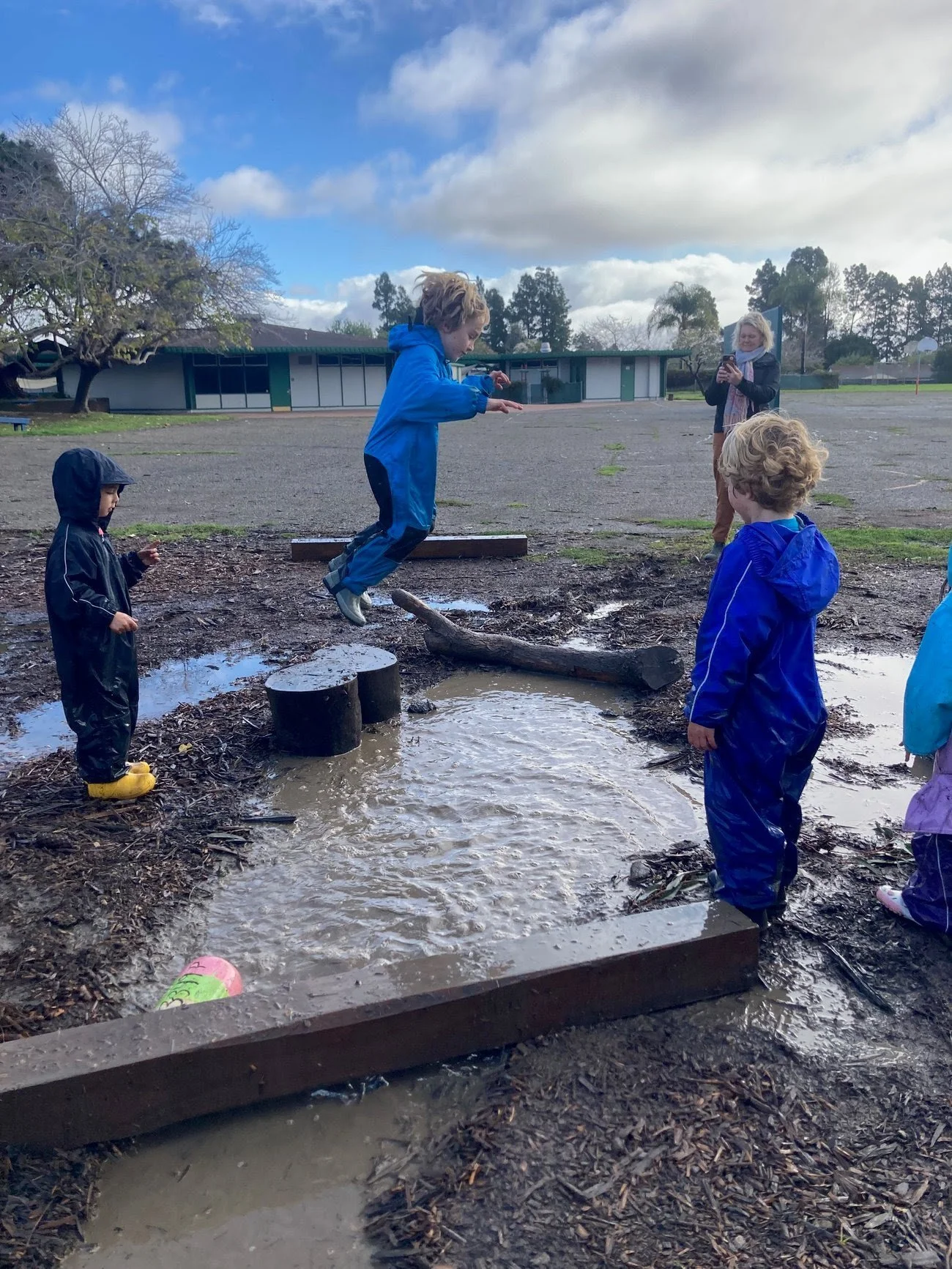
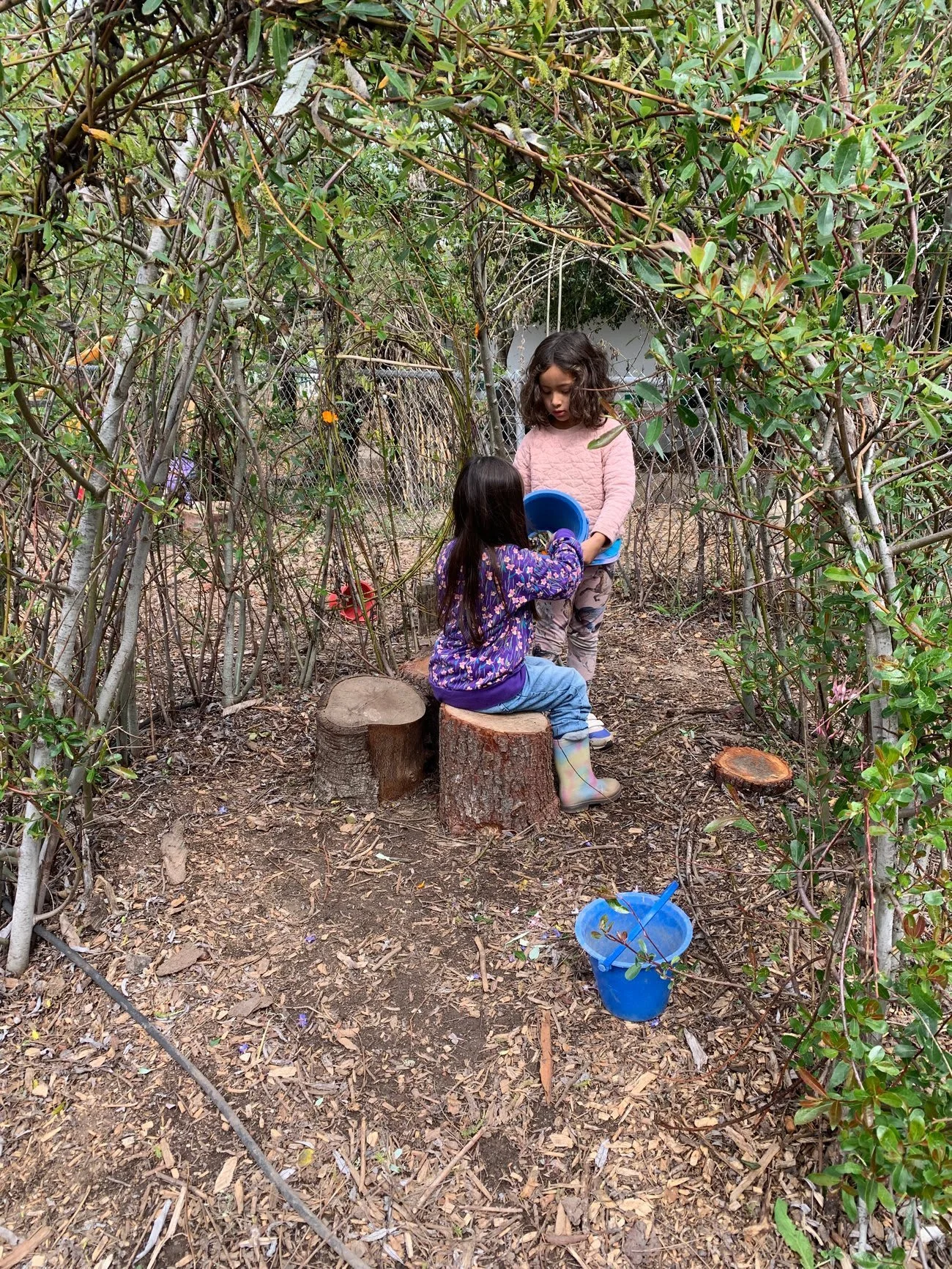
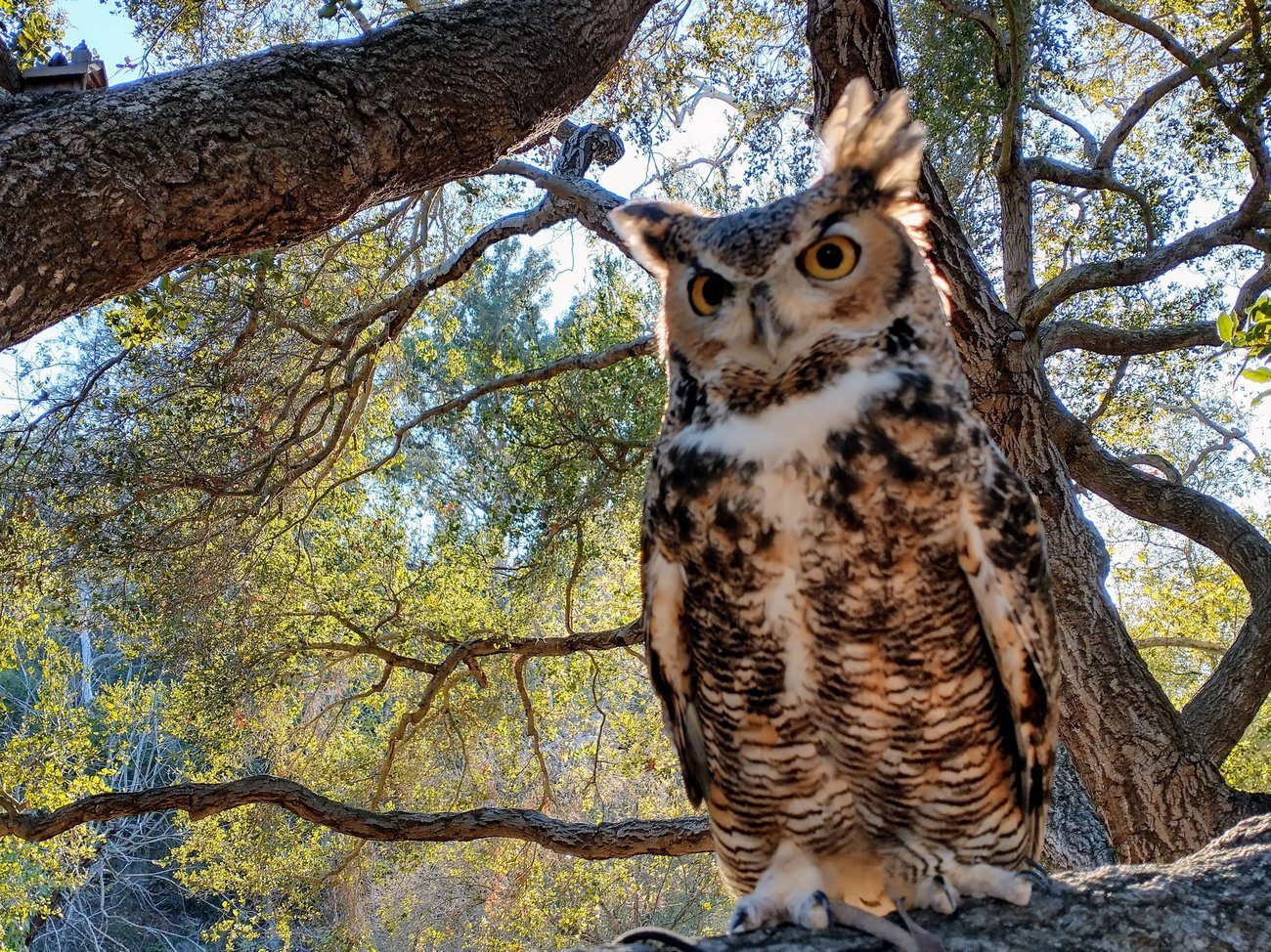
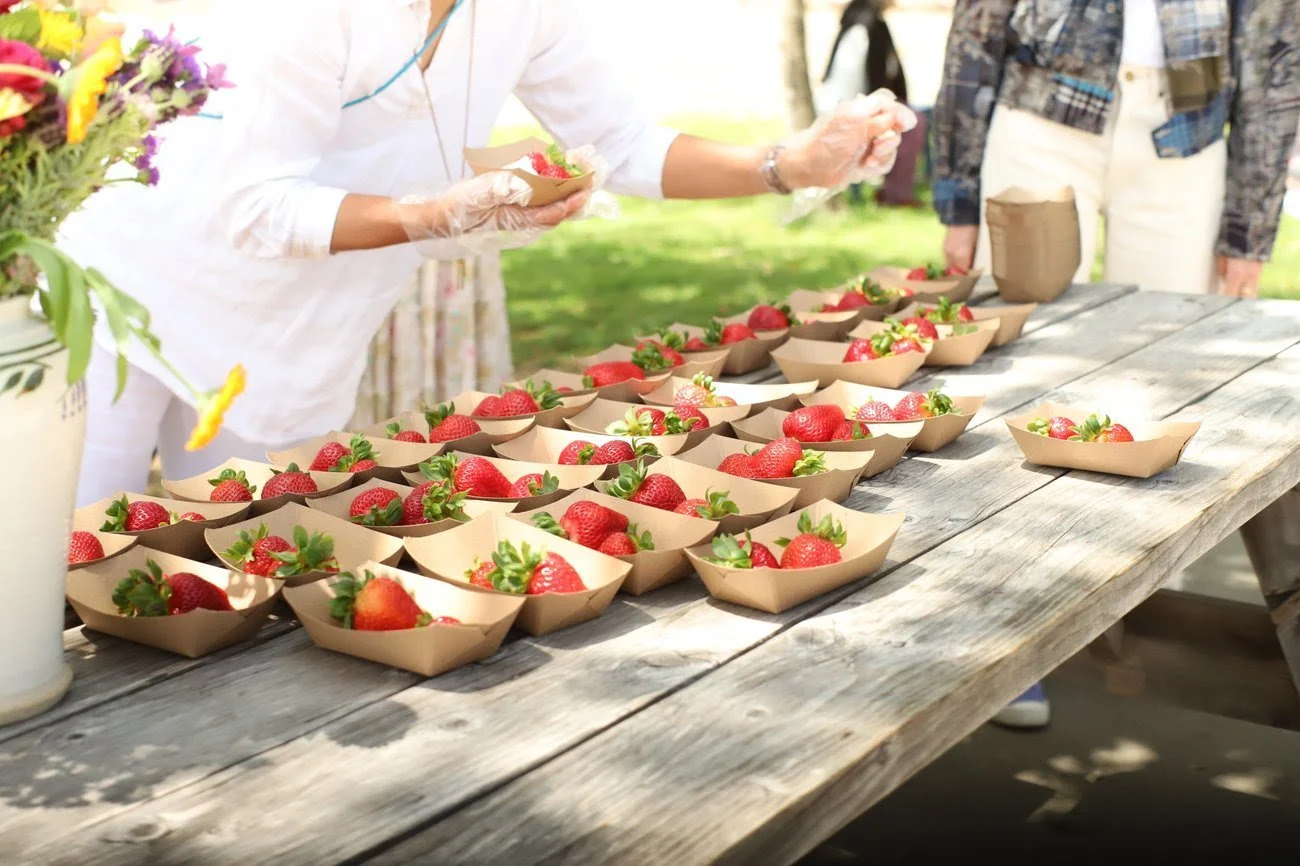
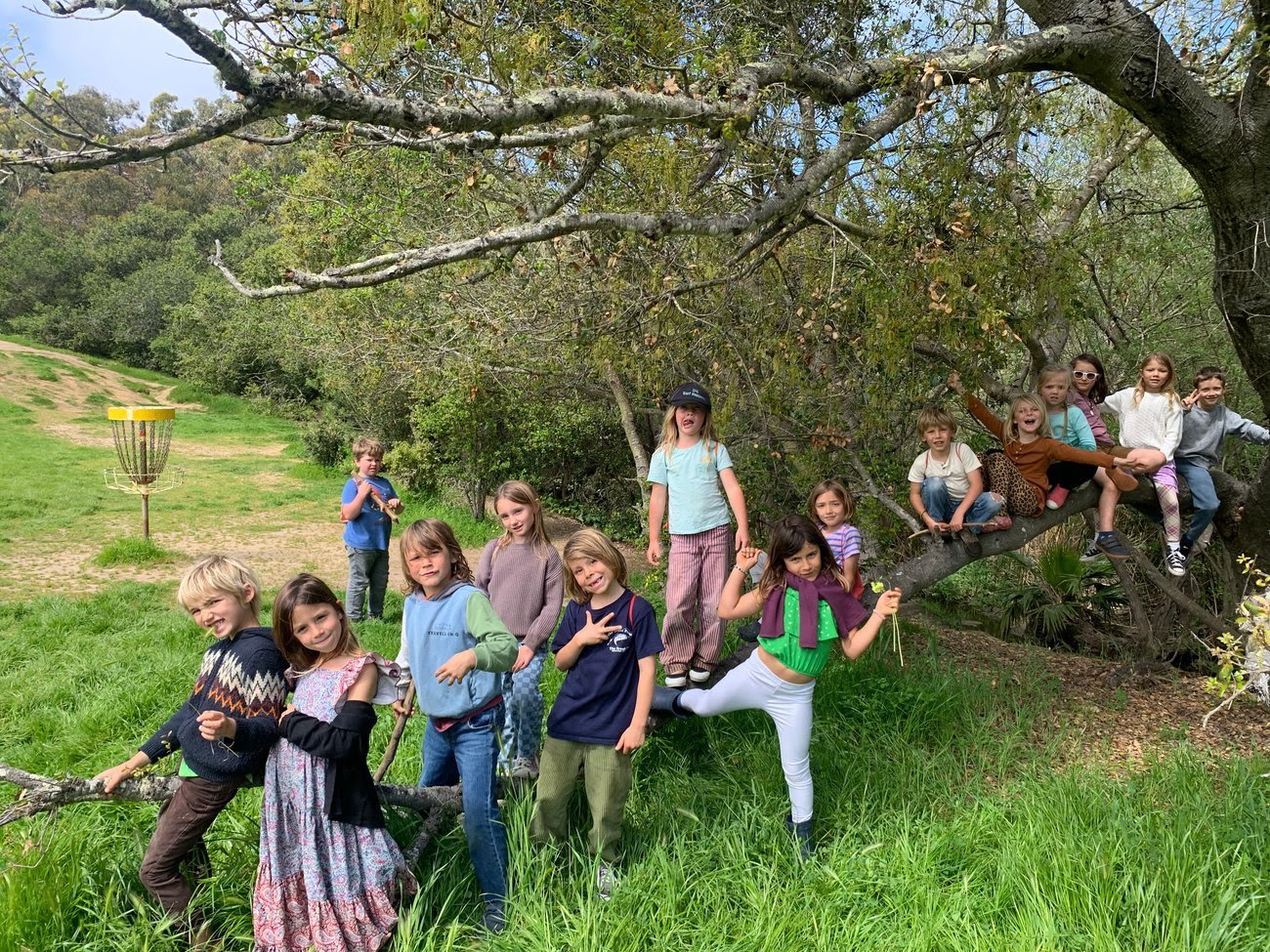
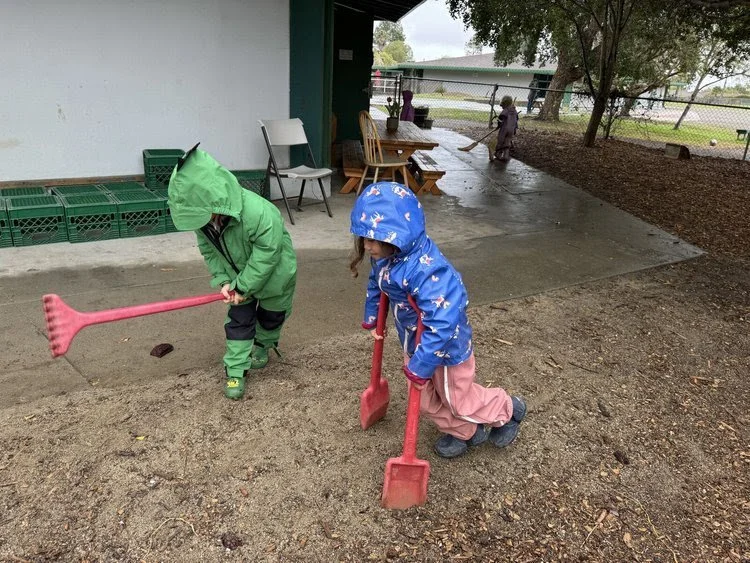
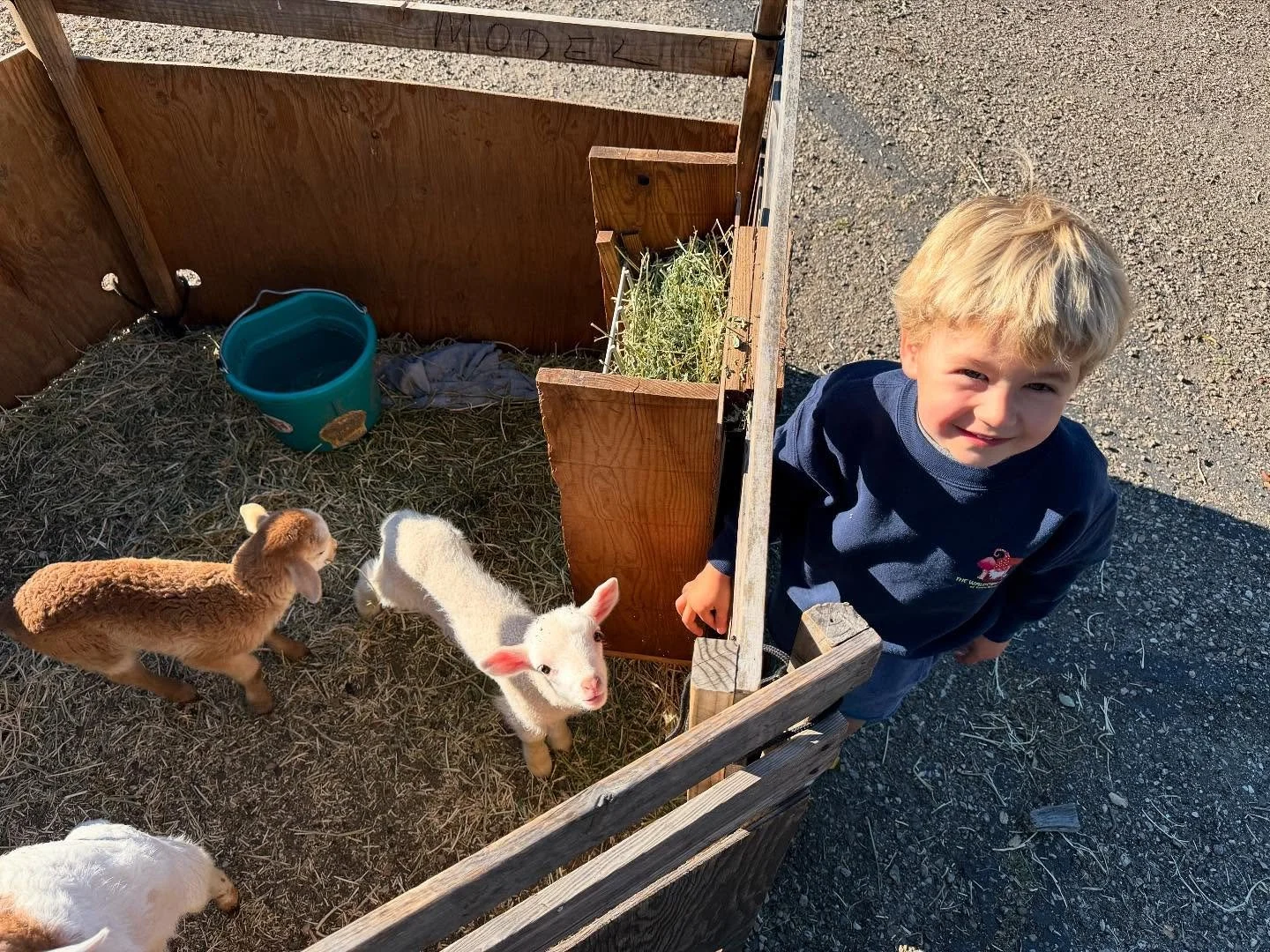
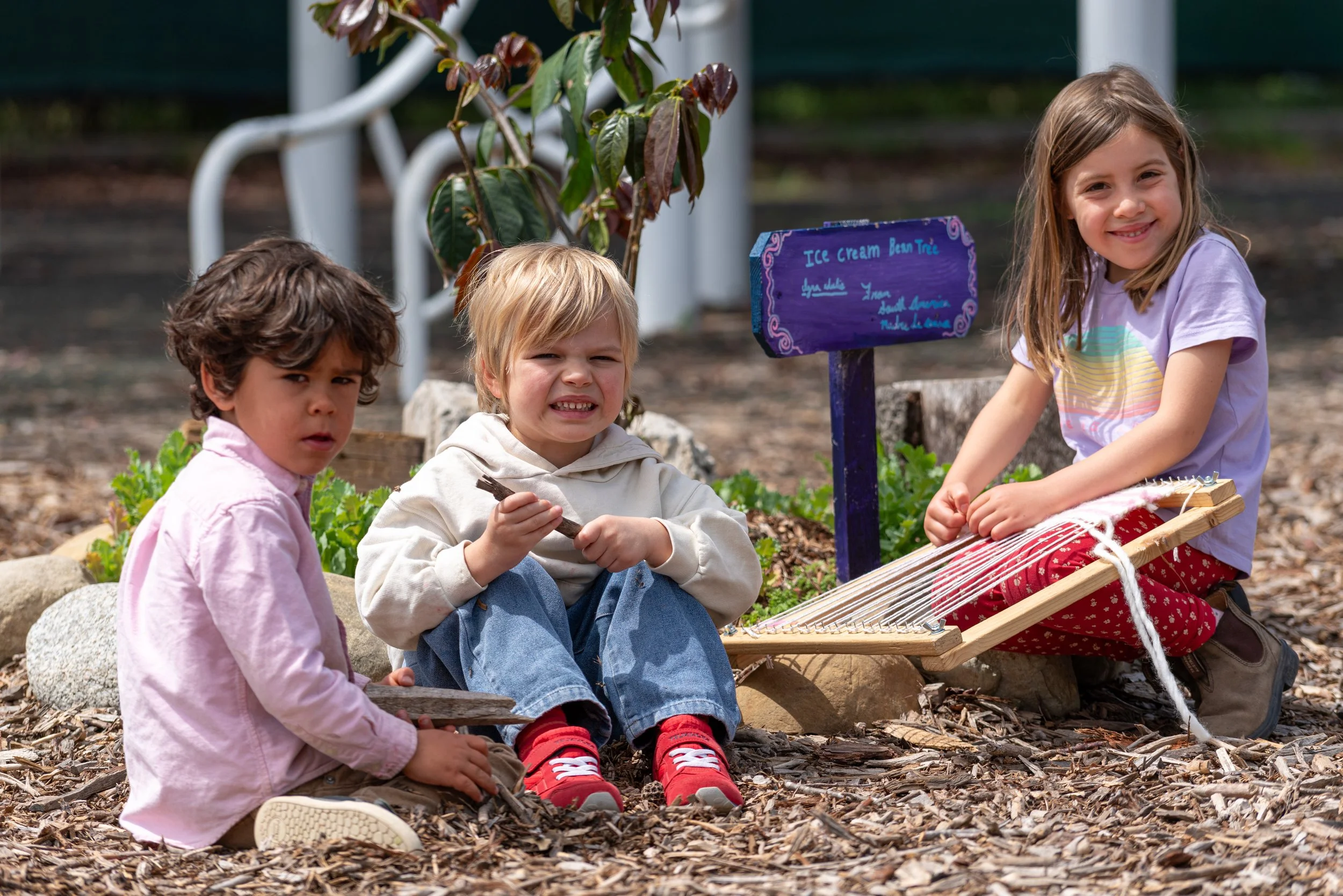
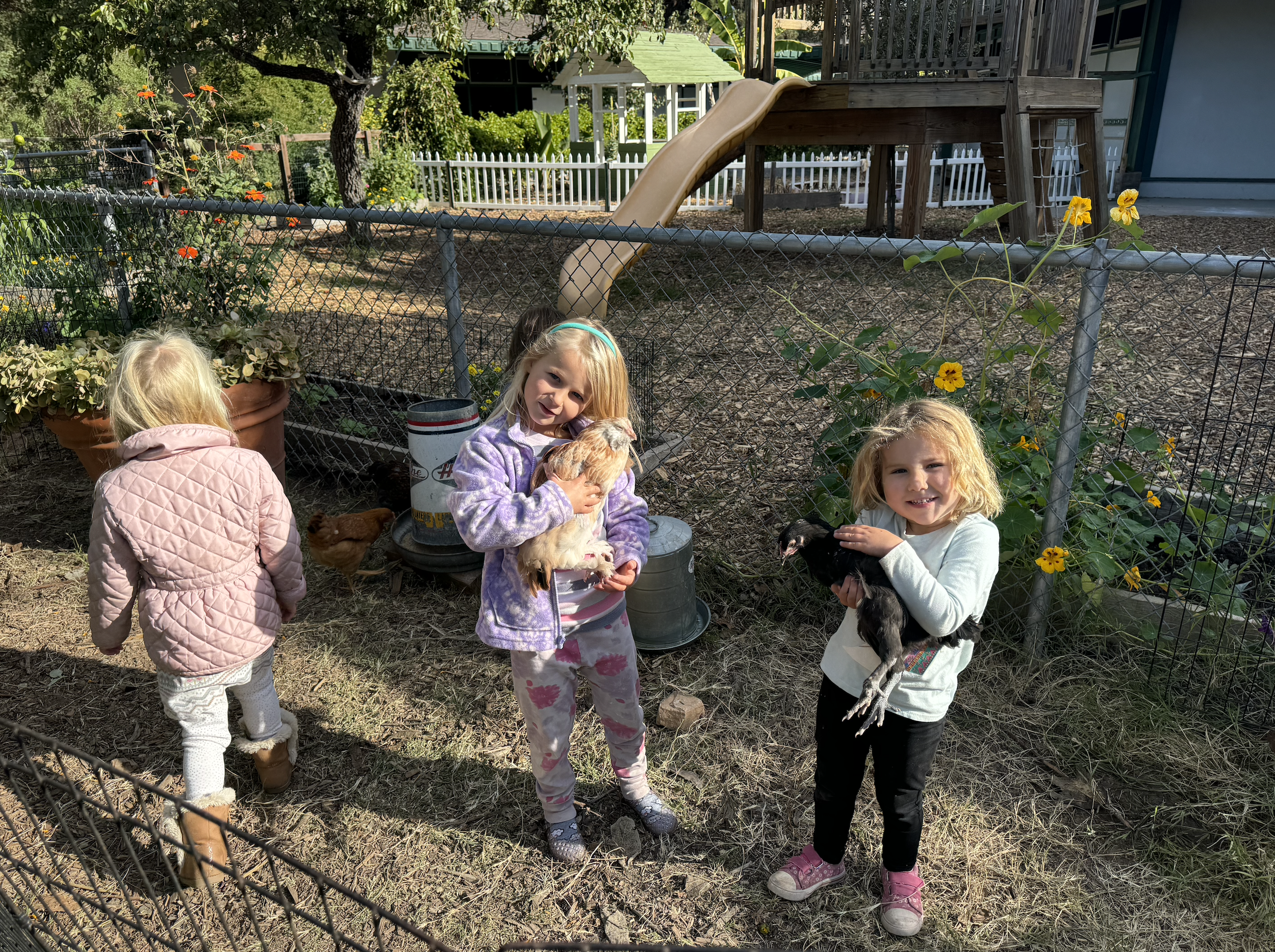
We honor the earth by caring for our unique place—our campus in Goleta, California. We tend to the soil, follow the seasons, nurture our orchard and gardens, and respect the animals who share this land with us. Here, we seek to reconnect and to live and learn in harmony with the natural world.
Our education employs a “One-Teacher” Paradigm.
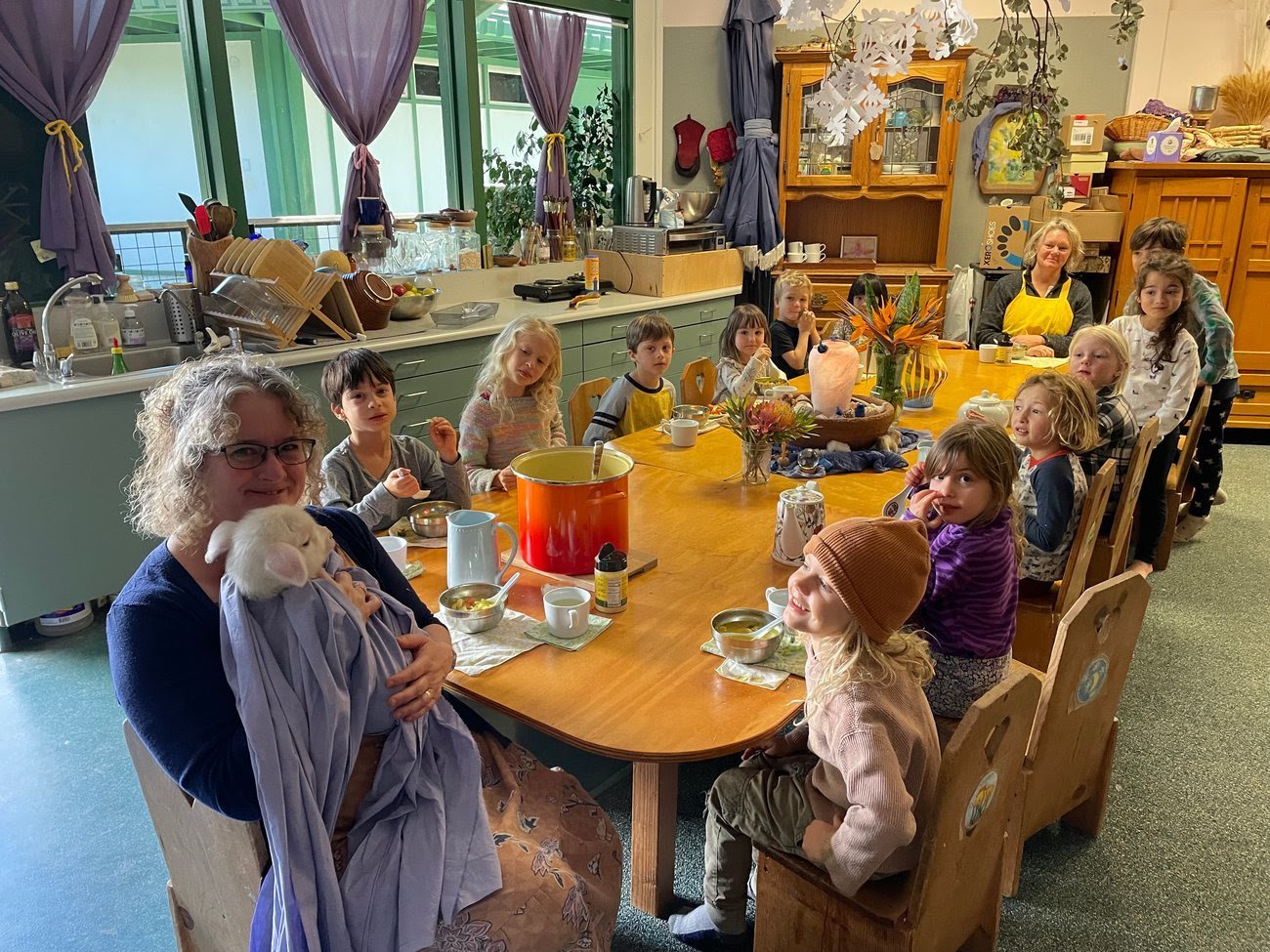
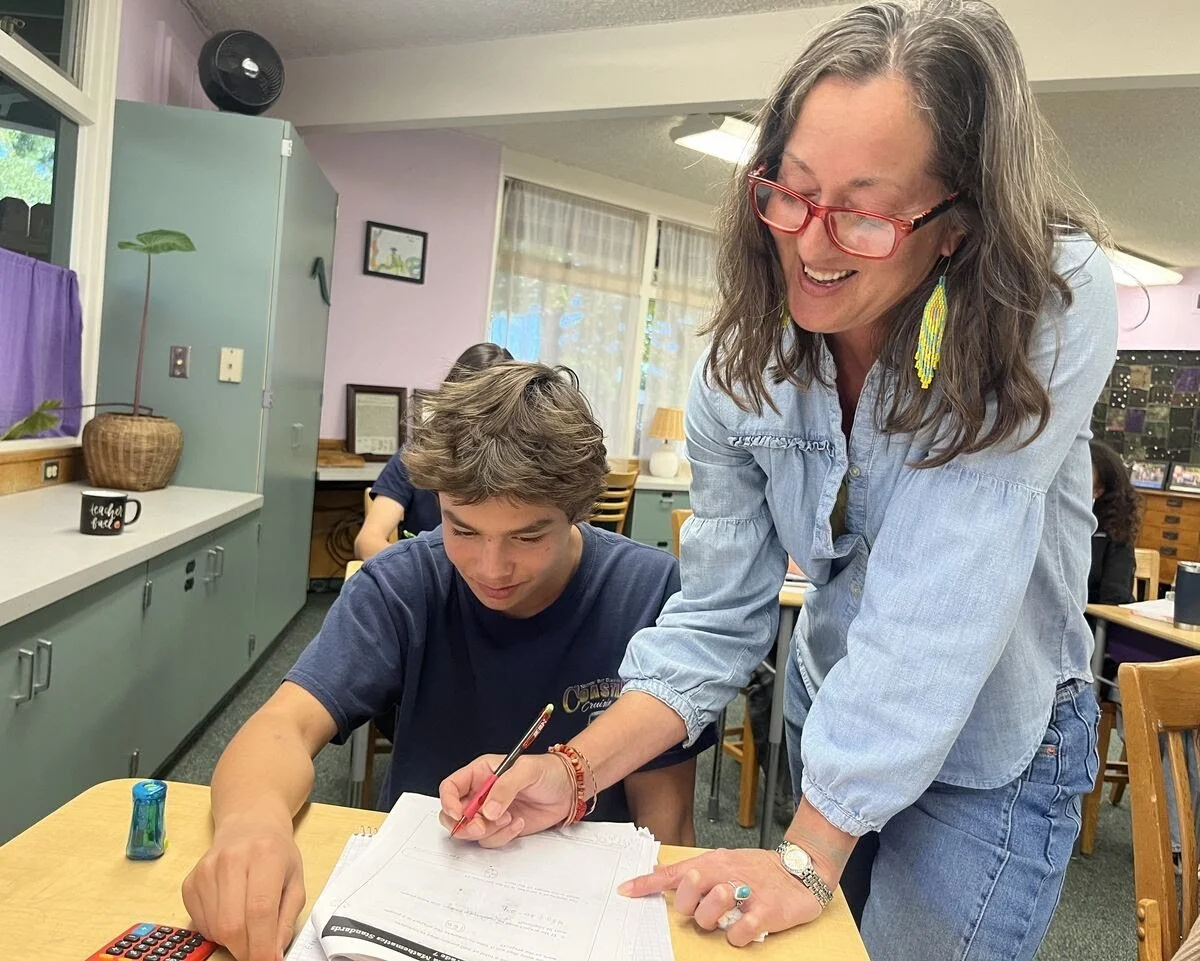
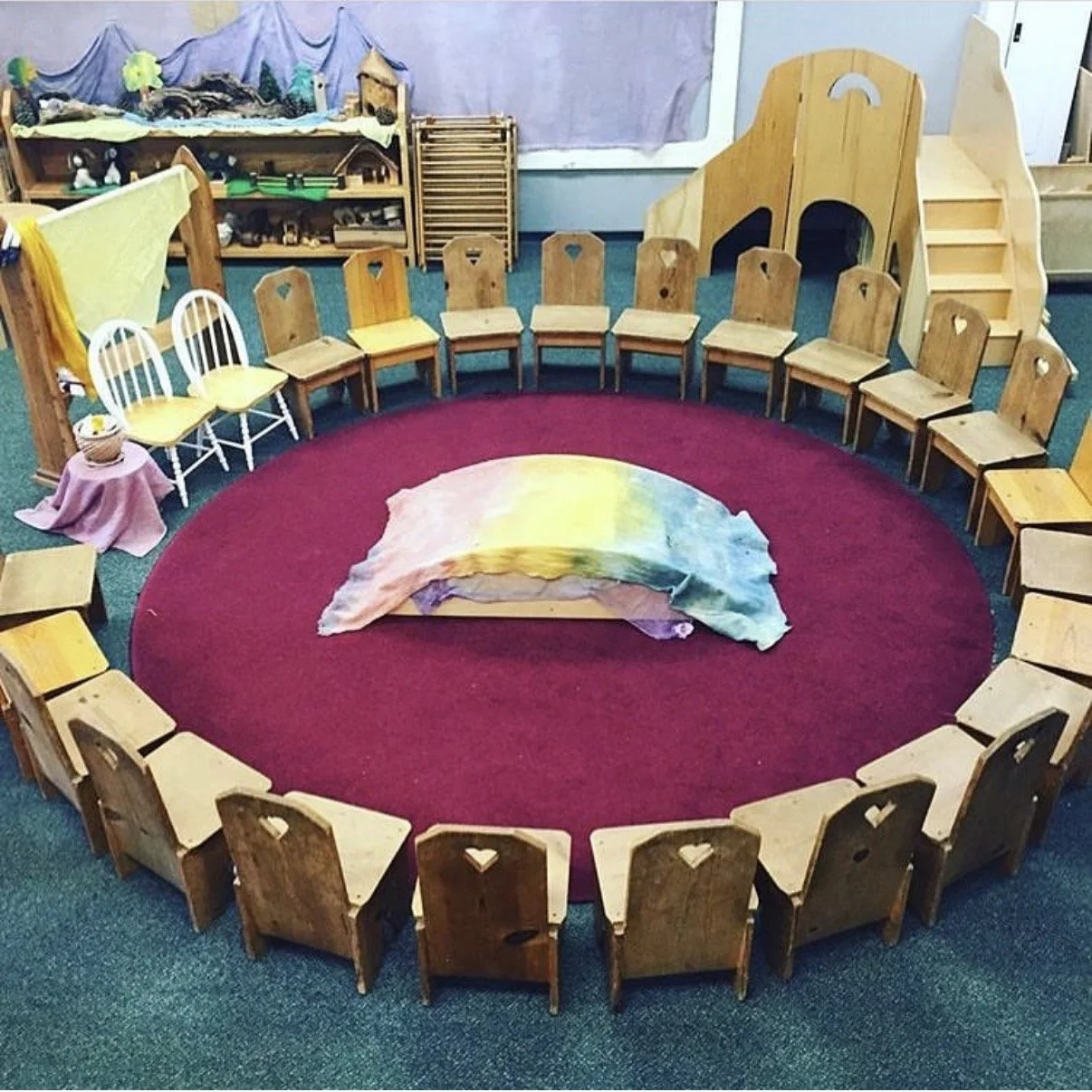
Waldorf education is strongly rooted in the connection between teacher and student. In most cases, the student’s primary teacher stays with the same class for up to eight years. Waldorf educators believe this approach creates deeper relationships, more personalized learning, a stable classroom environment, and more focused education overall.
Our education is rich with festivals.
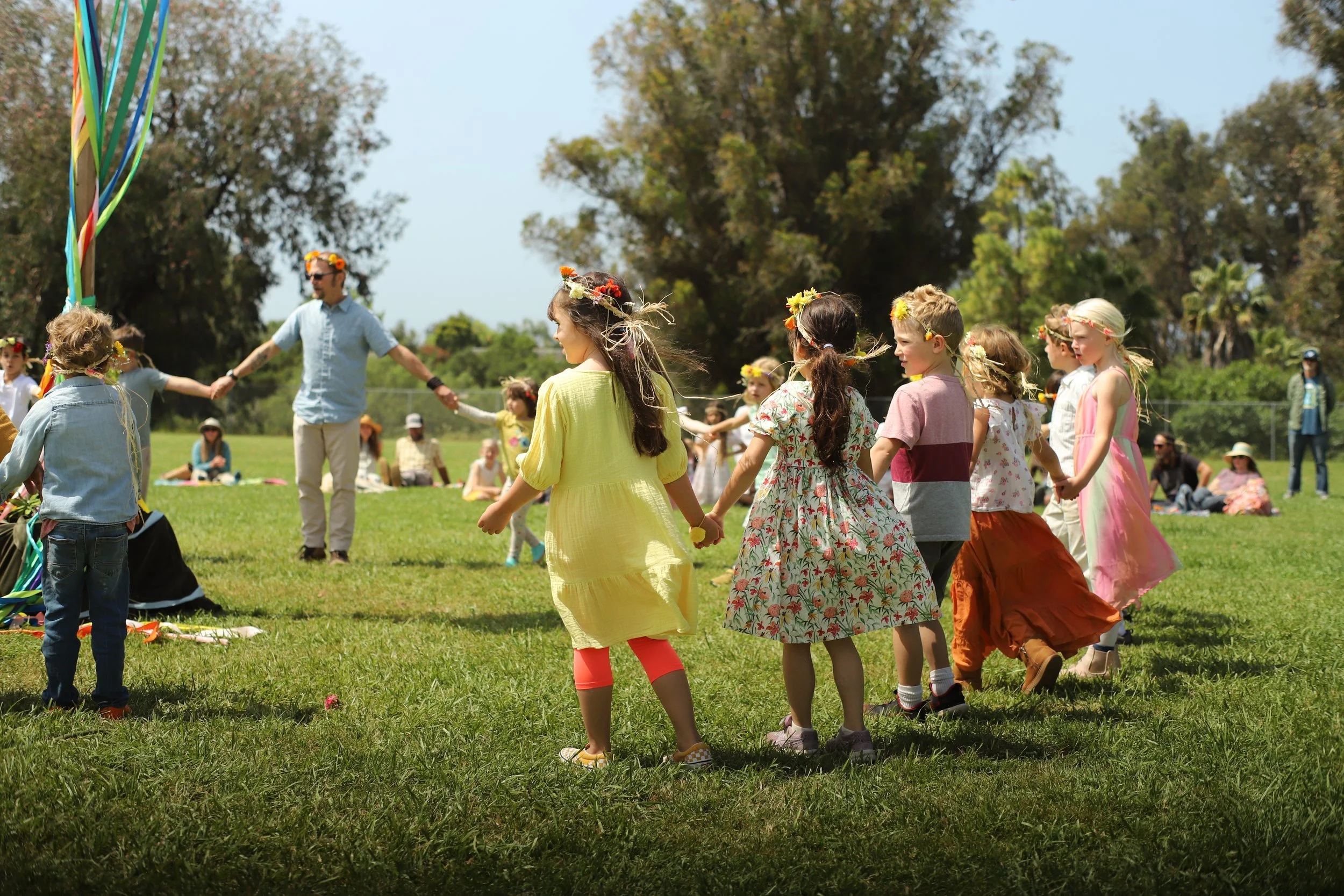
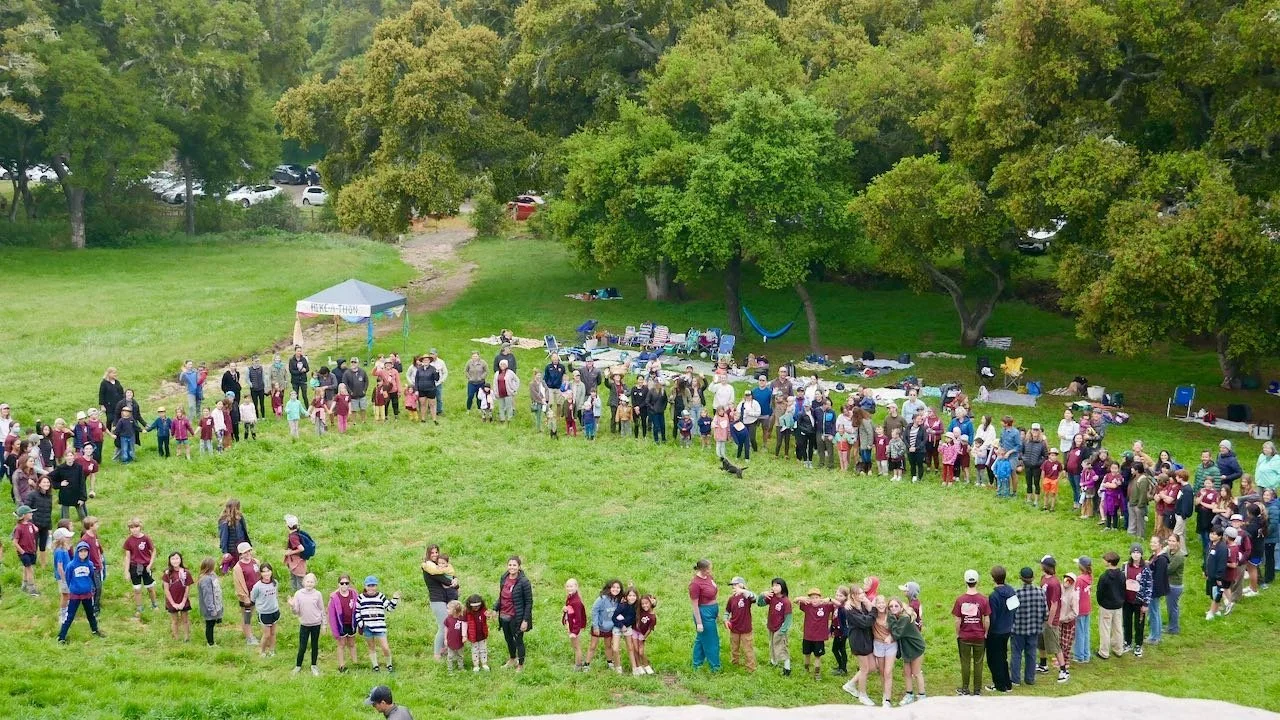
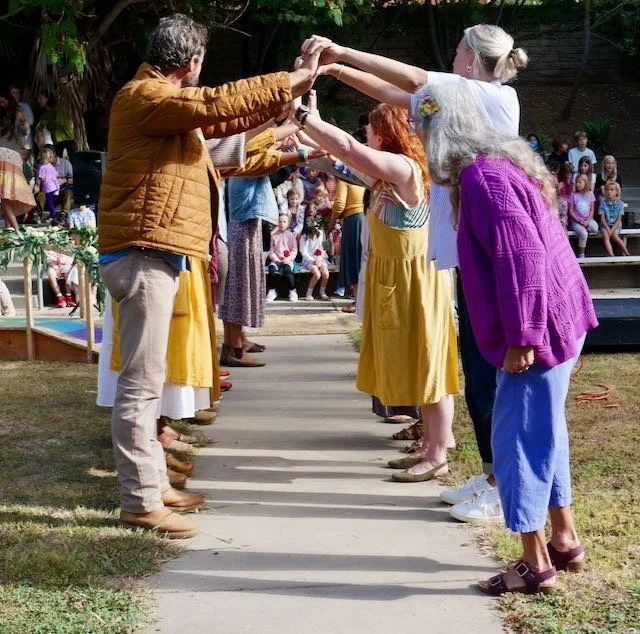
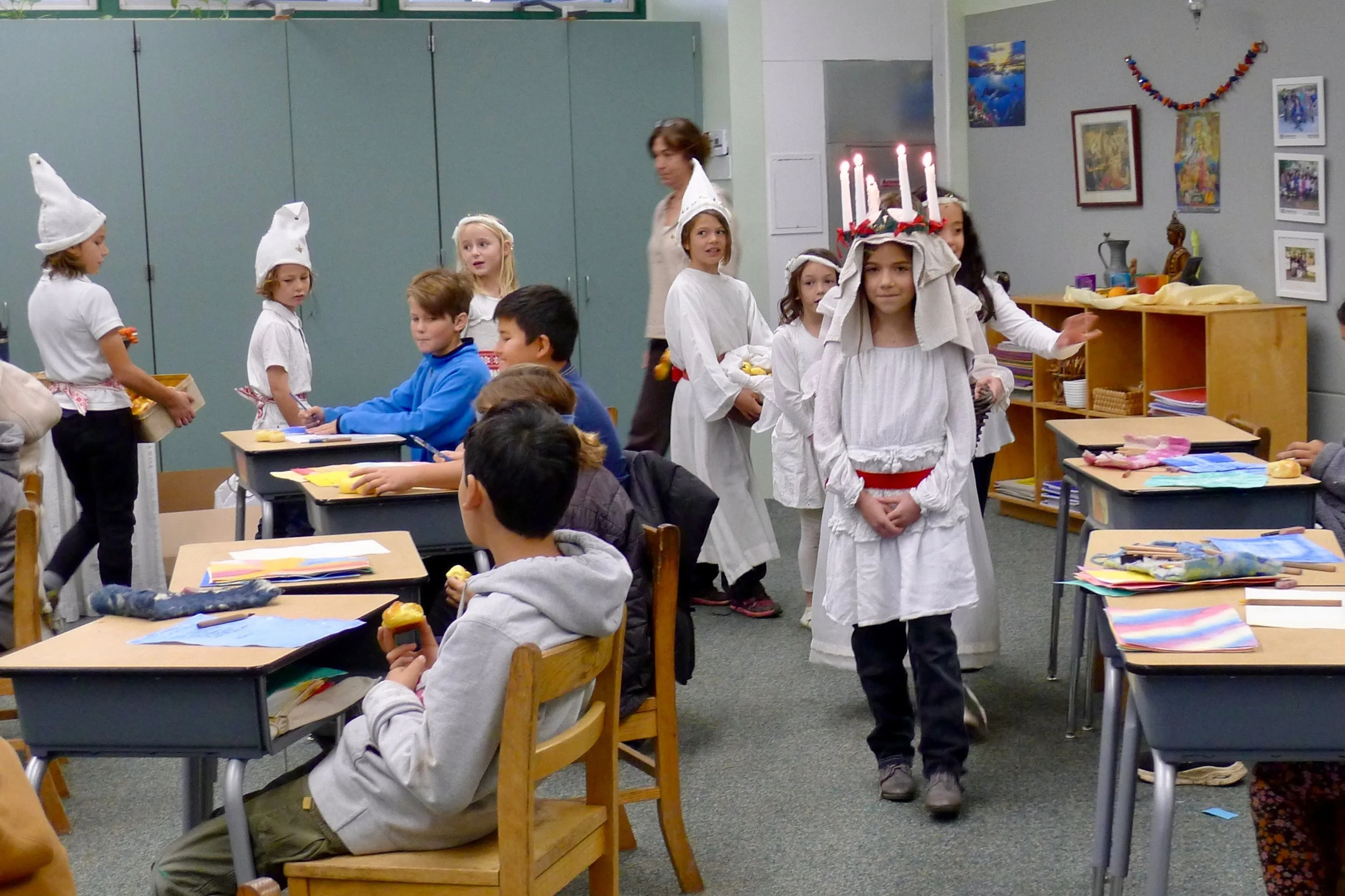
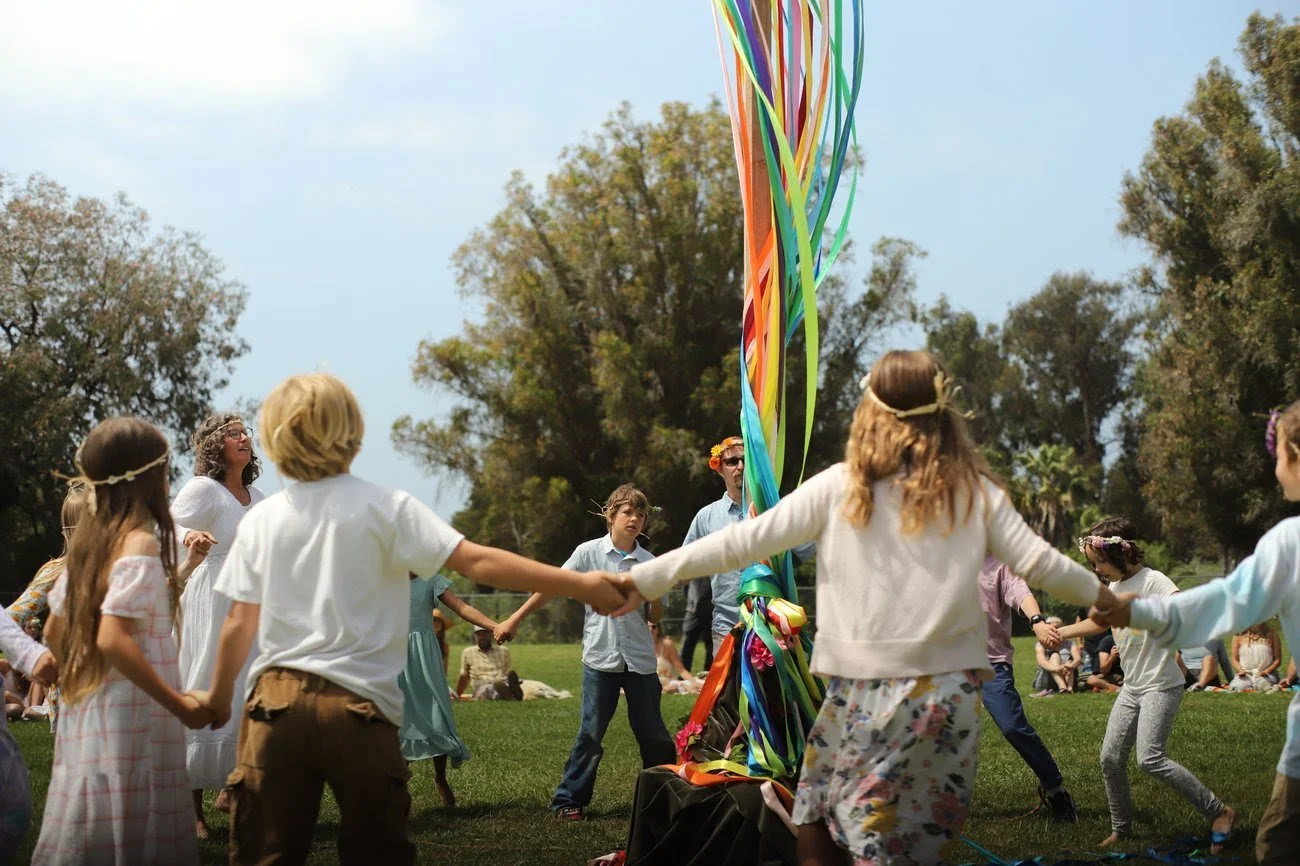
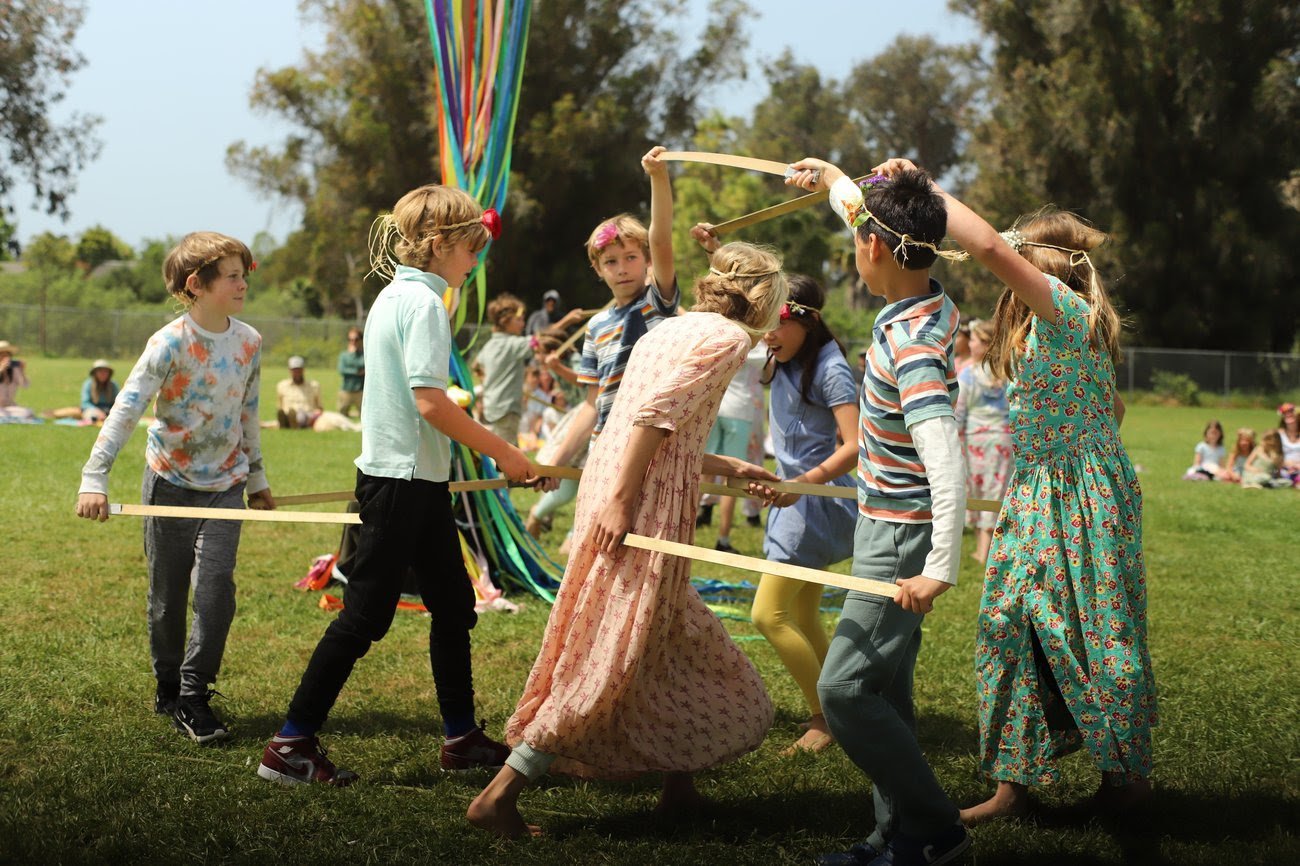
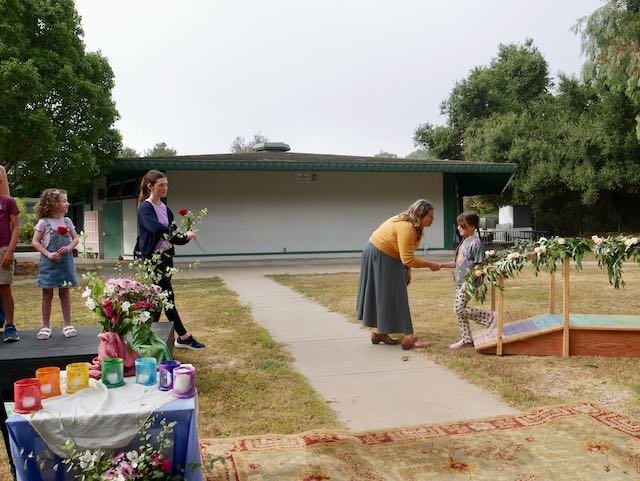
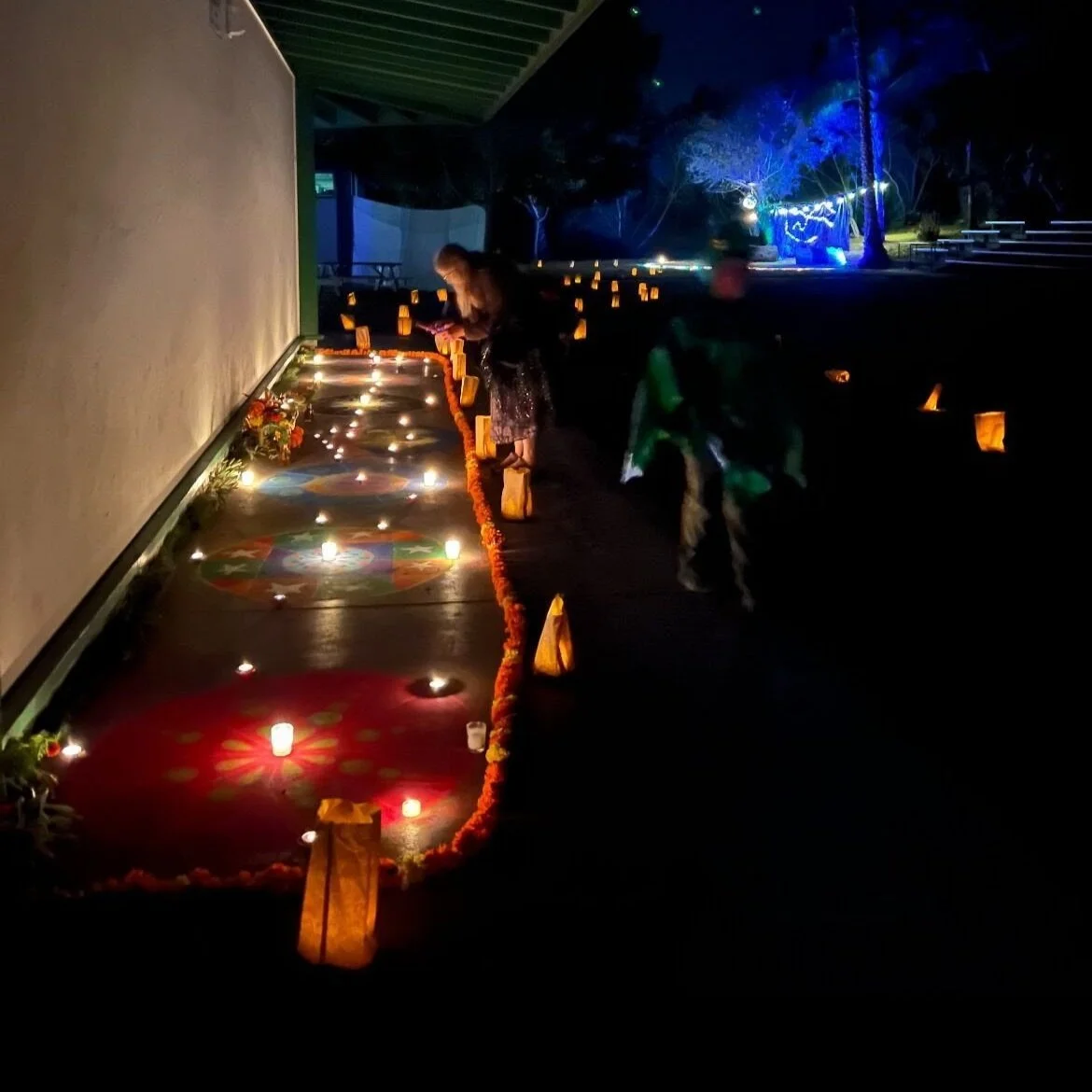
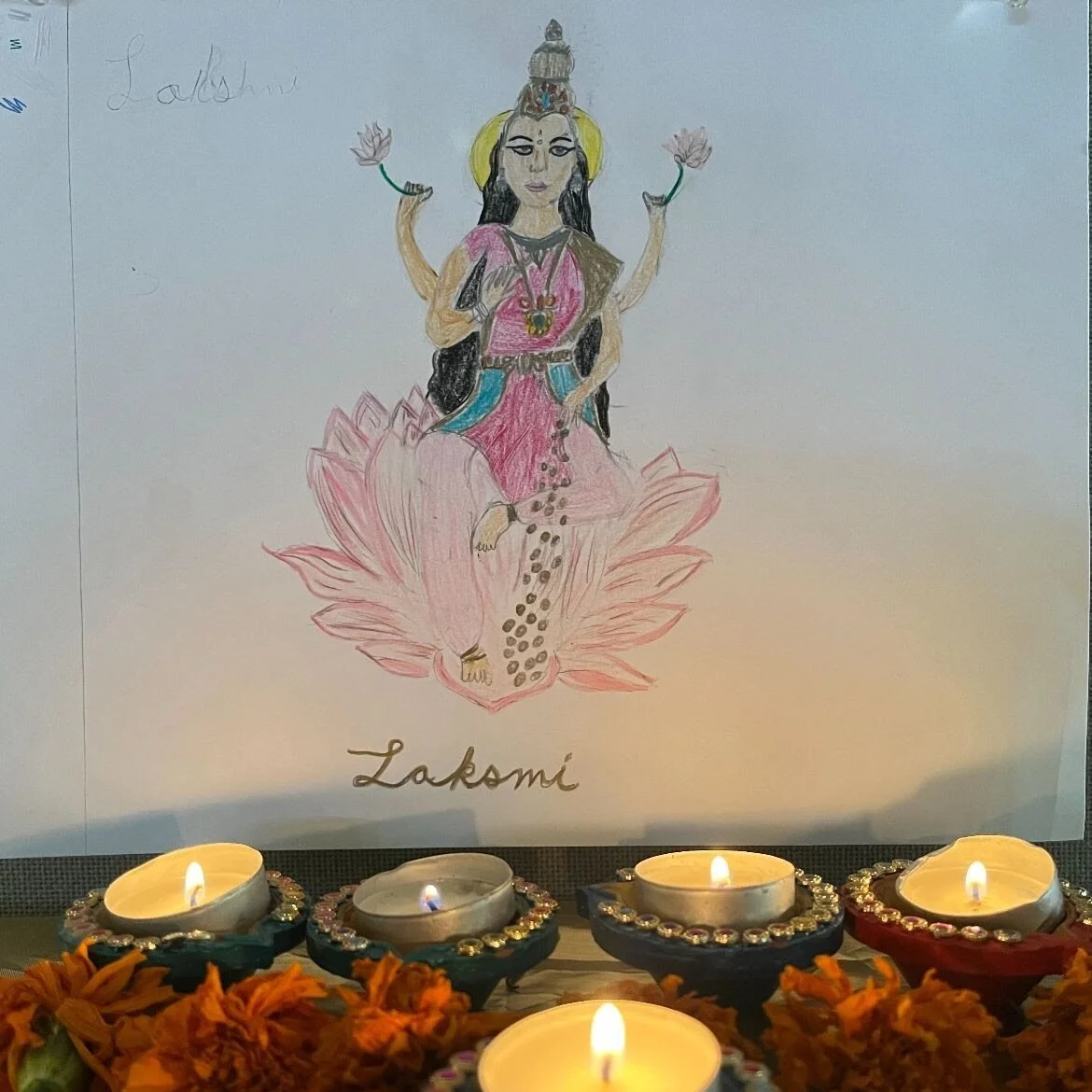
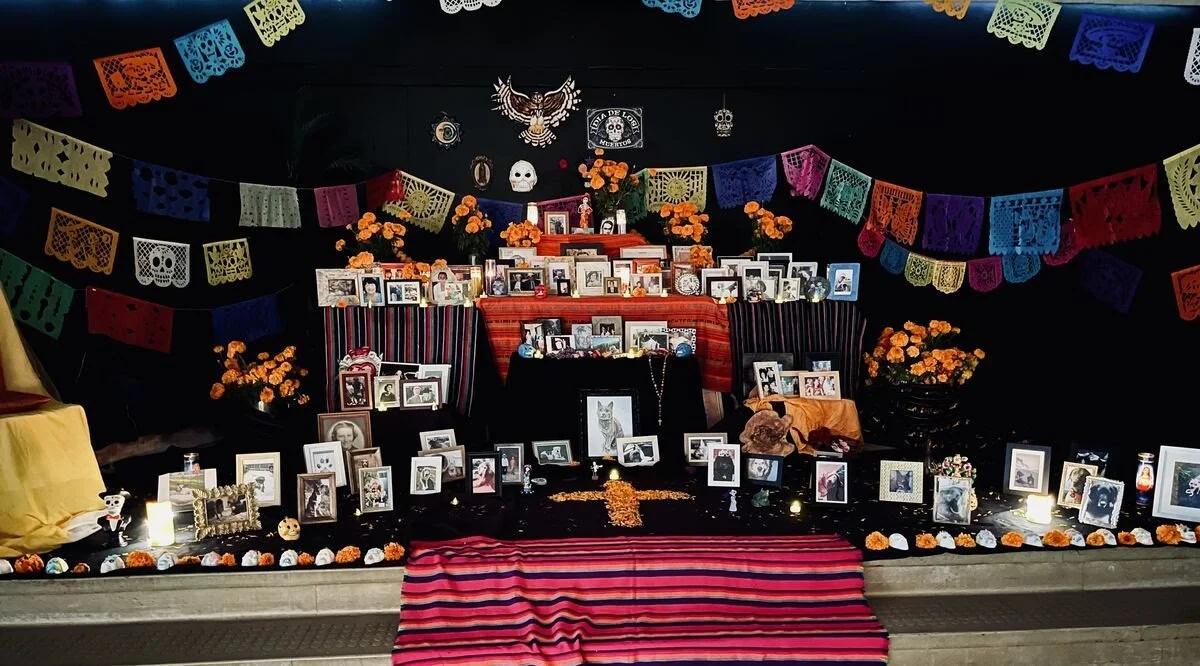
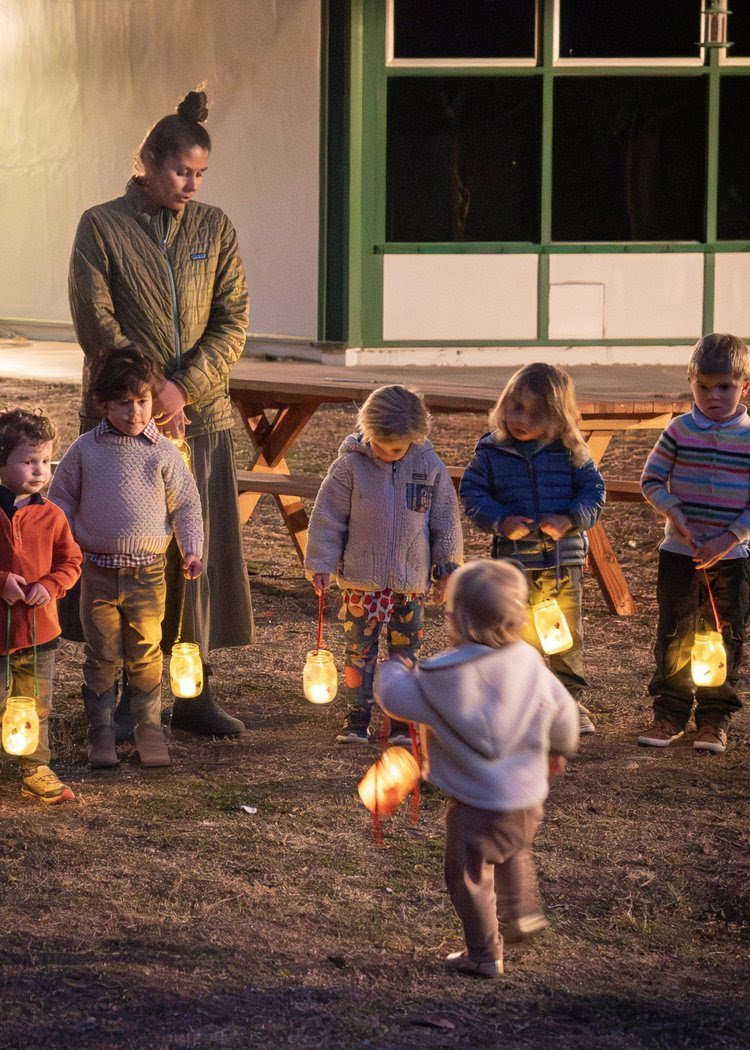
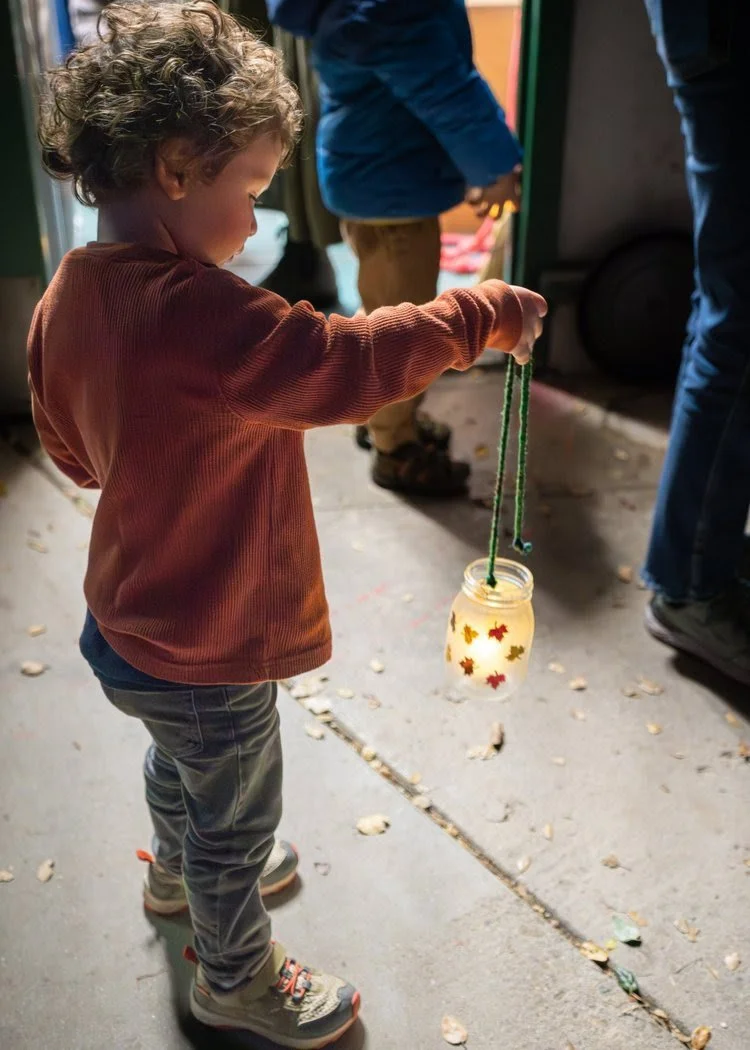
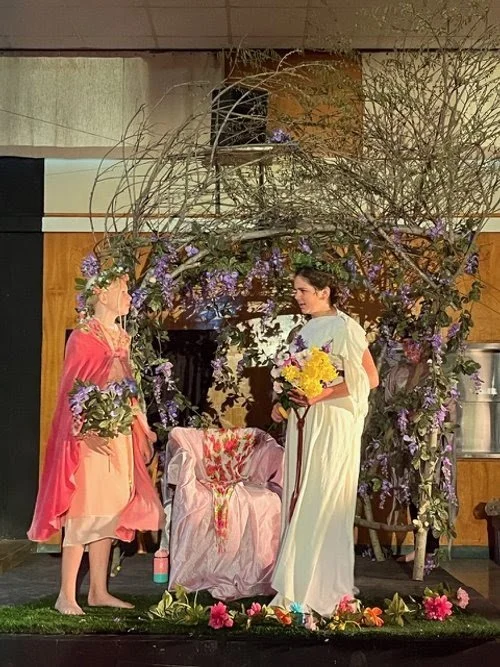
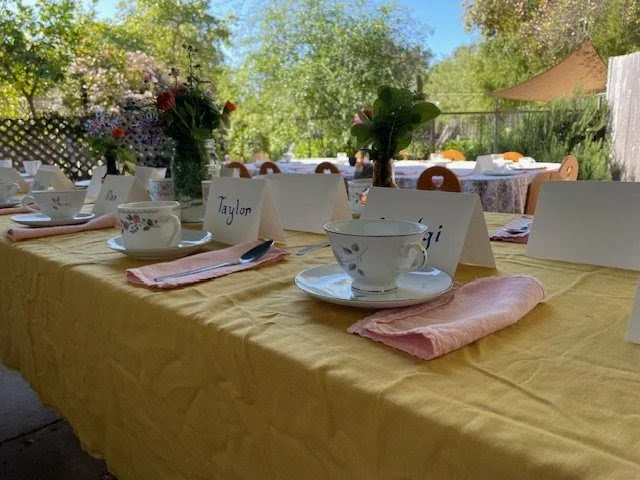
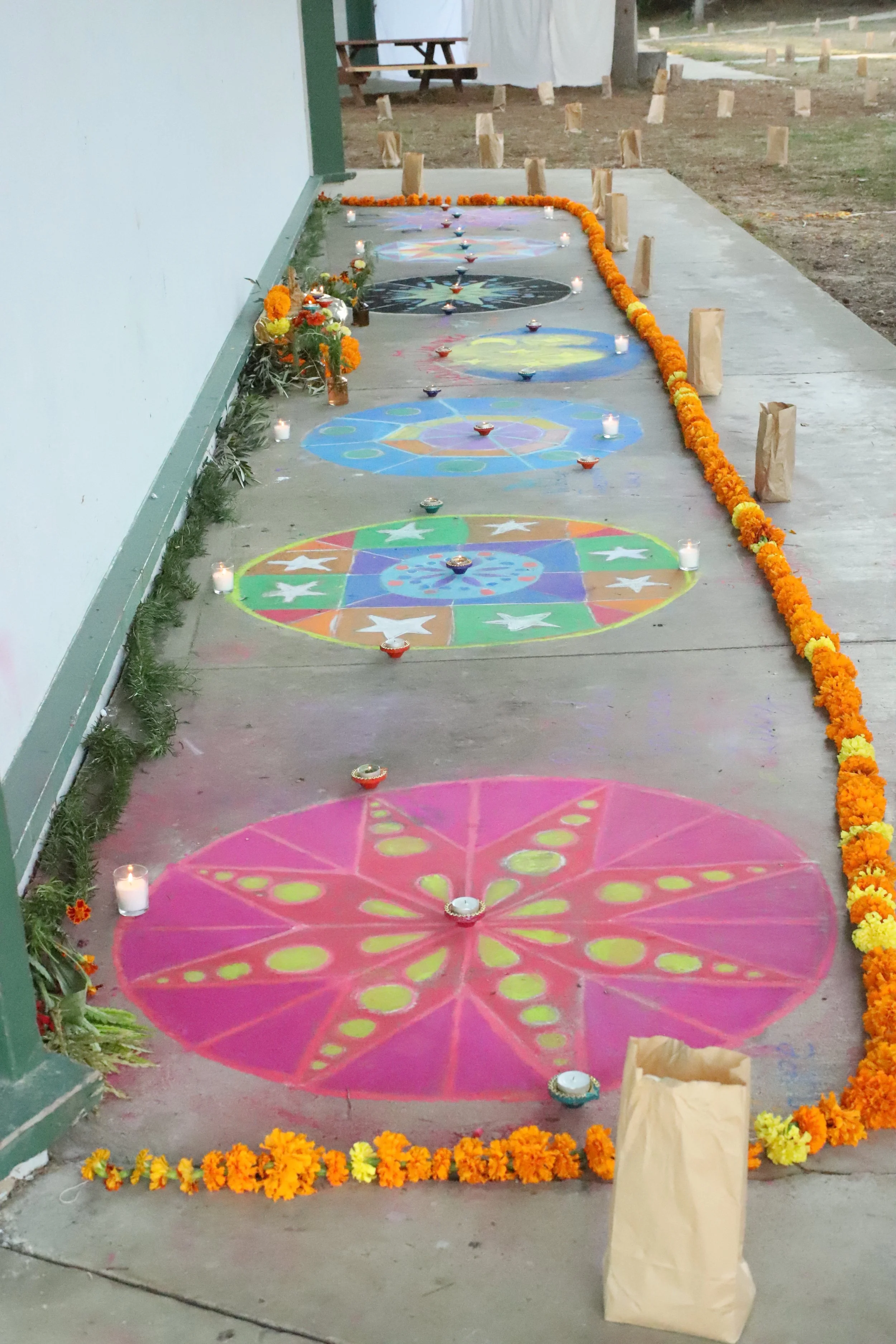
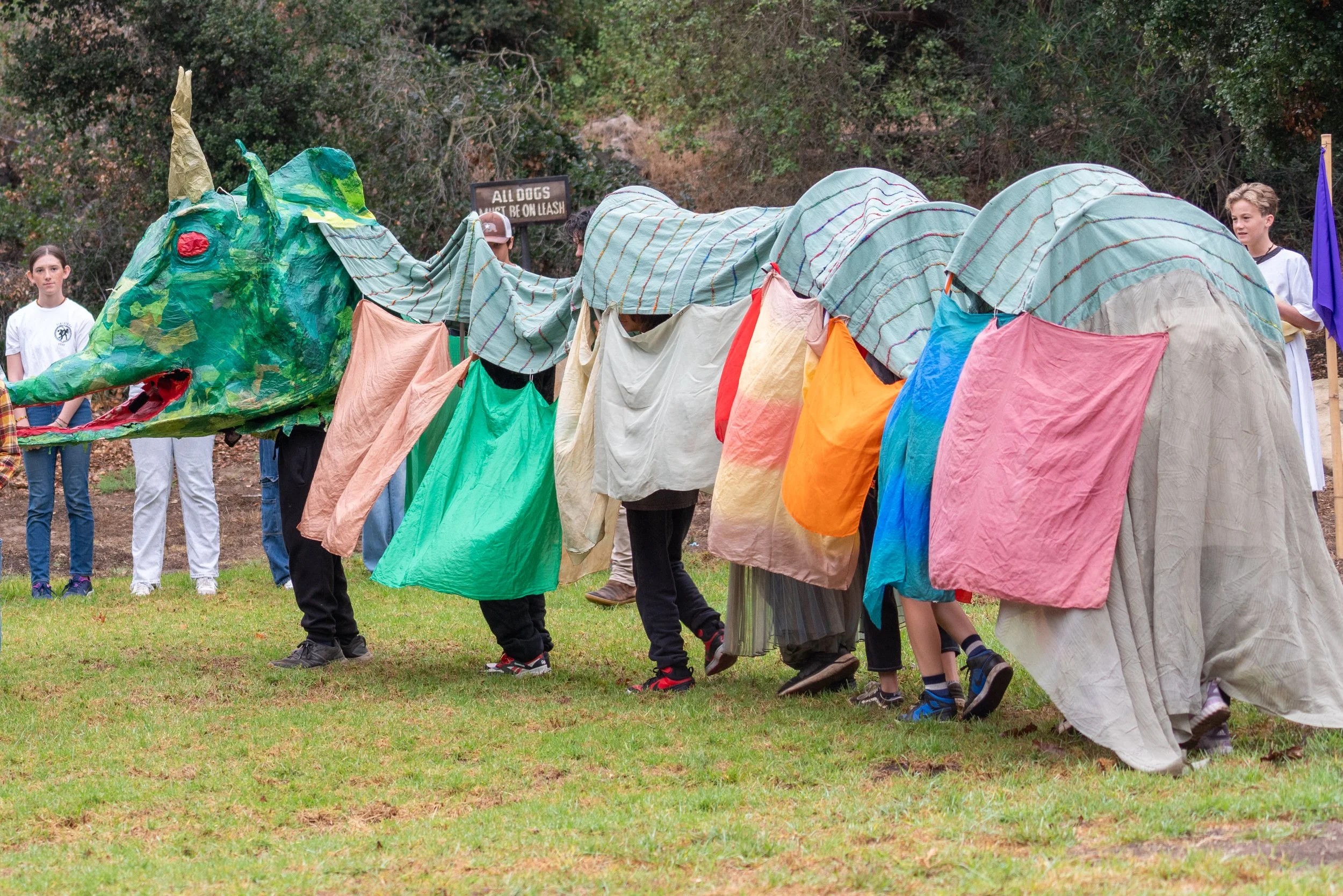
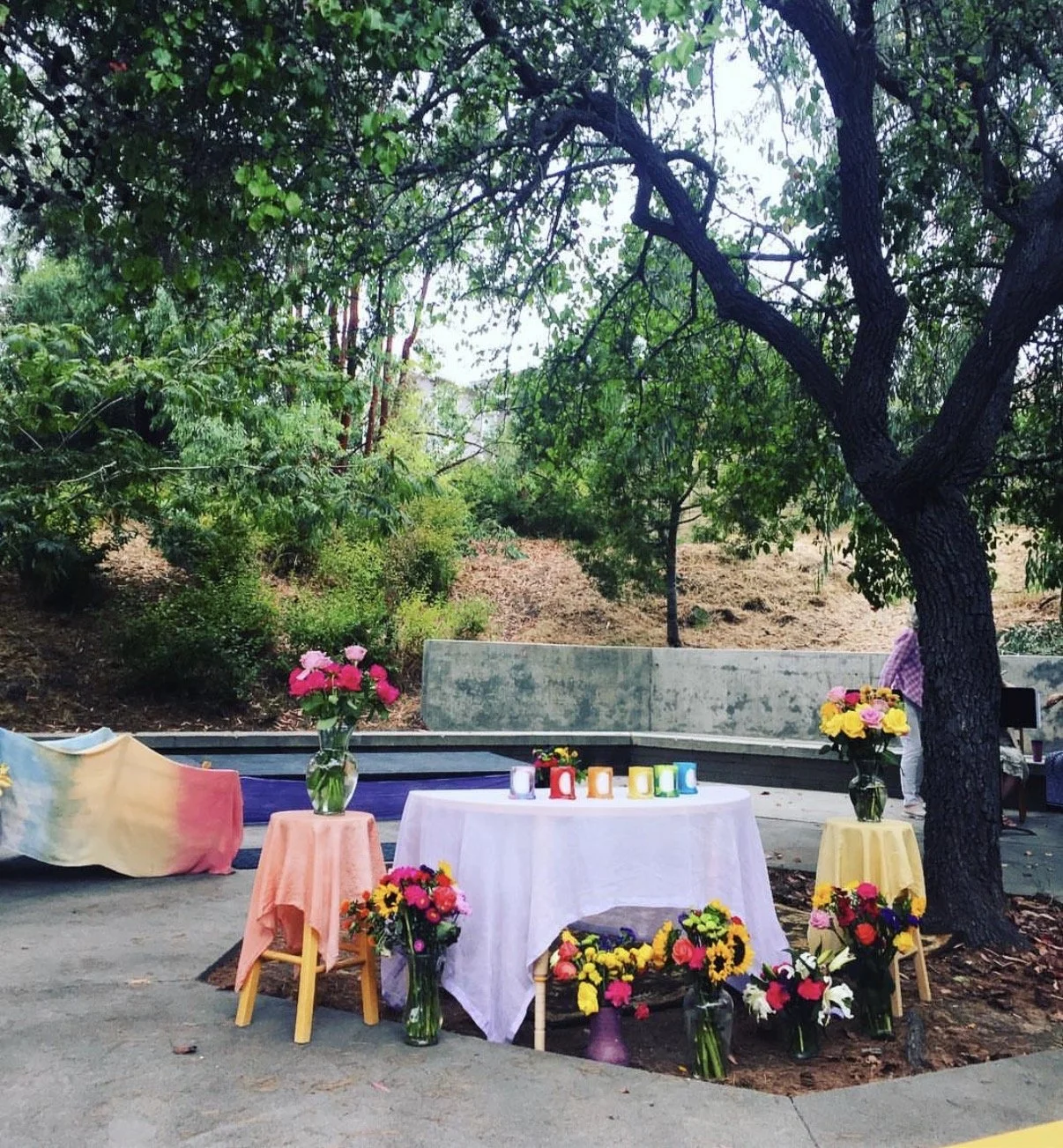
We strive for an approach of joy and celebration. In keeping with this, we hold various festivals throughout the year to broaden the students’ sense of the world. These festivals slow us down to help us remember the importance of being together while finding wonder and joy in world traditions. View our festivals +
Our education strives to protect childhood, to let children be children.
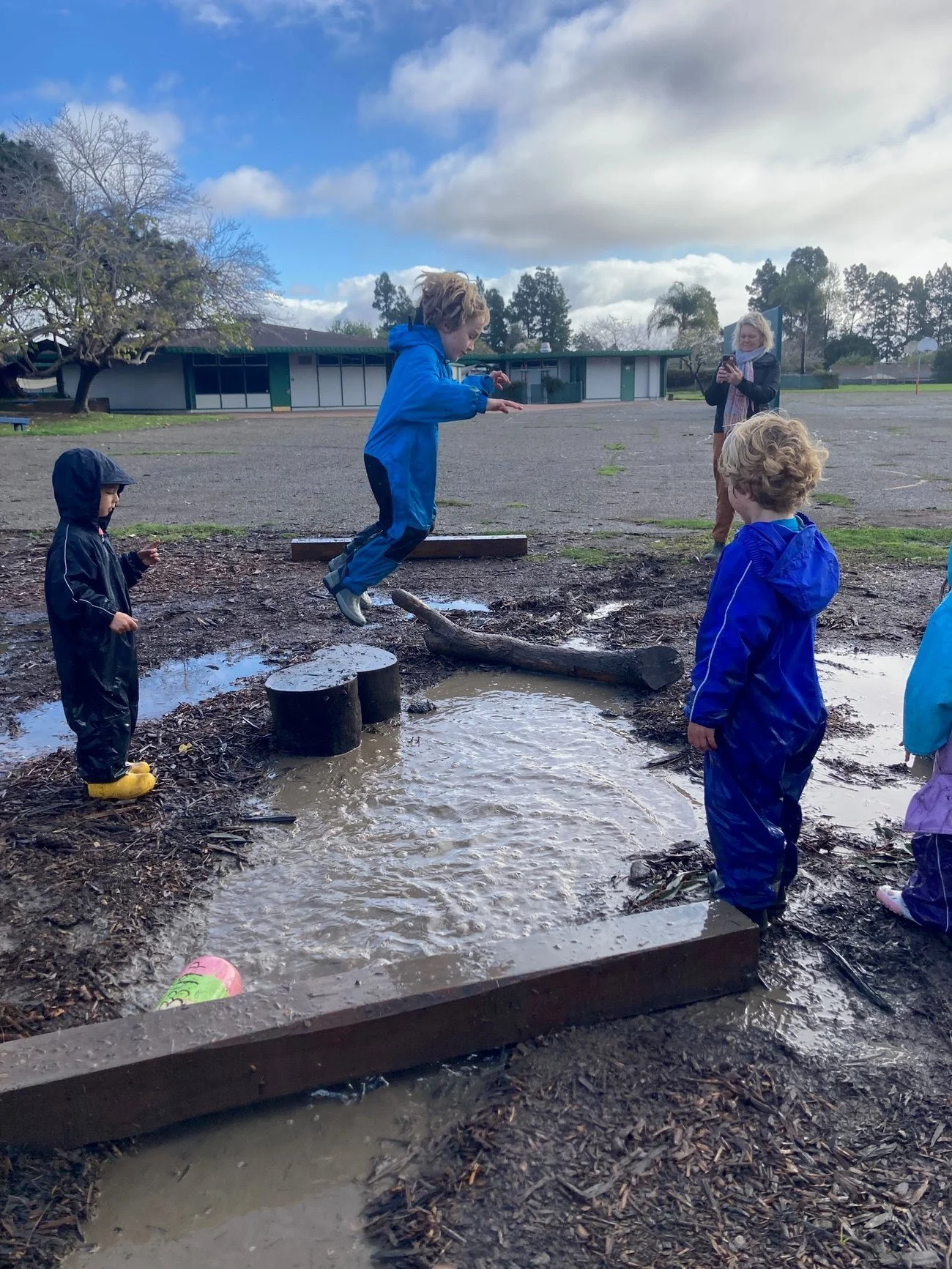
We cultivate a warm, joyful, and playful environment free from the weight of adult worries. As educator David Sobel wisely said, “If we want children to flourish, to become truly empowered, then let us allow them to love the world before we ask them to save it.”
“Waldorf schools seek to give children the tools to not only live well, but to build a better world.”
- Dr. Paul O.L.M Over Educator and Psychologist
Get To Know Us
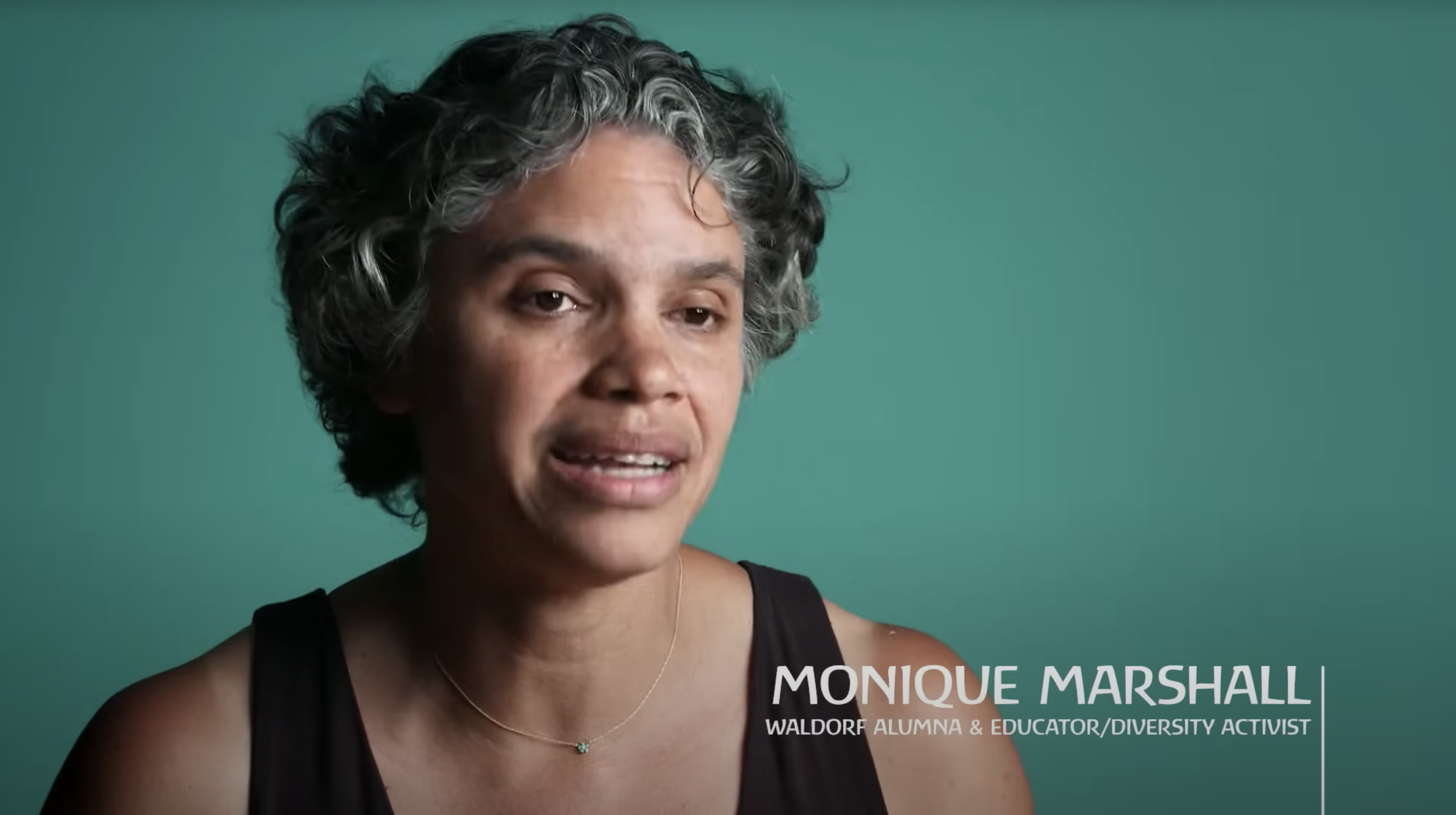
Watch these short videos to learn more from the people who make this community so incredible.
Meet The Teachers
Meet The Parents
Meet The Staff
FAQs
-
Both Waldorf and Montessori are thoughtful, child-centered approaches—but Waldorf offers something truly special for families seeking a more artistic, soulful, and developmentally attuned education.
Whole-Child Focus
Waldorf nurtures the head, heart, and hands—balancing academics with emotional growth, creativity, and practical skills. This helps children grow into well-rounded, confident human beings.
Imagination + Joy
Waldorf celebrates wonder, play, and imagination—especially in the early years. Through storytelling, music, art, and nature, children build a deep love of learning that lasts a lifetime.
Developmentally Aligned
Instead of rushing academics, Waldorf honors each stage of a child’s growth. Learning is introduced when children are truly ready—leading to greater focus, confidence, and retention.
Strong Teacher-Student Bonds
In Waldorf, one teacher often stays with the class for several years, creating deep trust, stability, and connection that supports both academic and personal growth.
Screen-Free & Nature-Rich
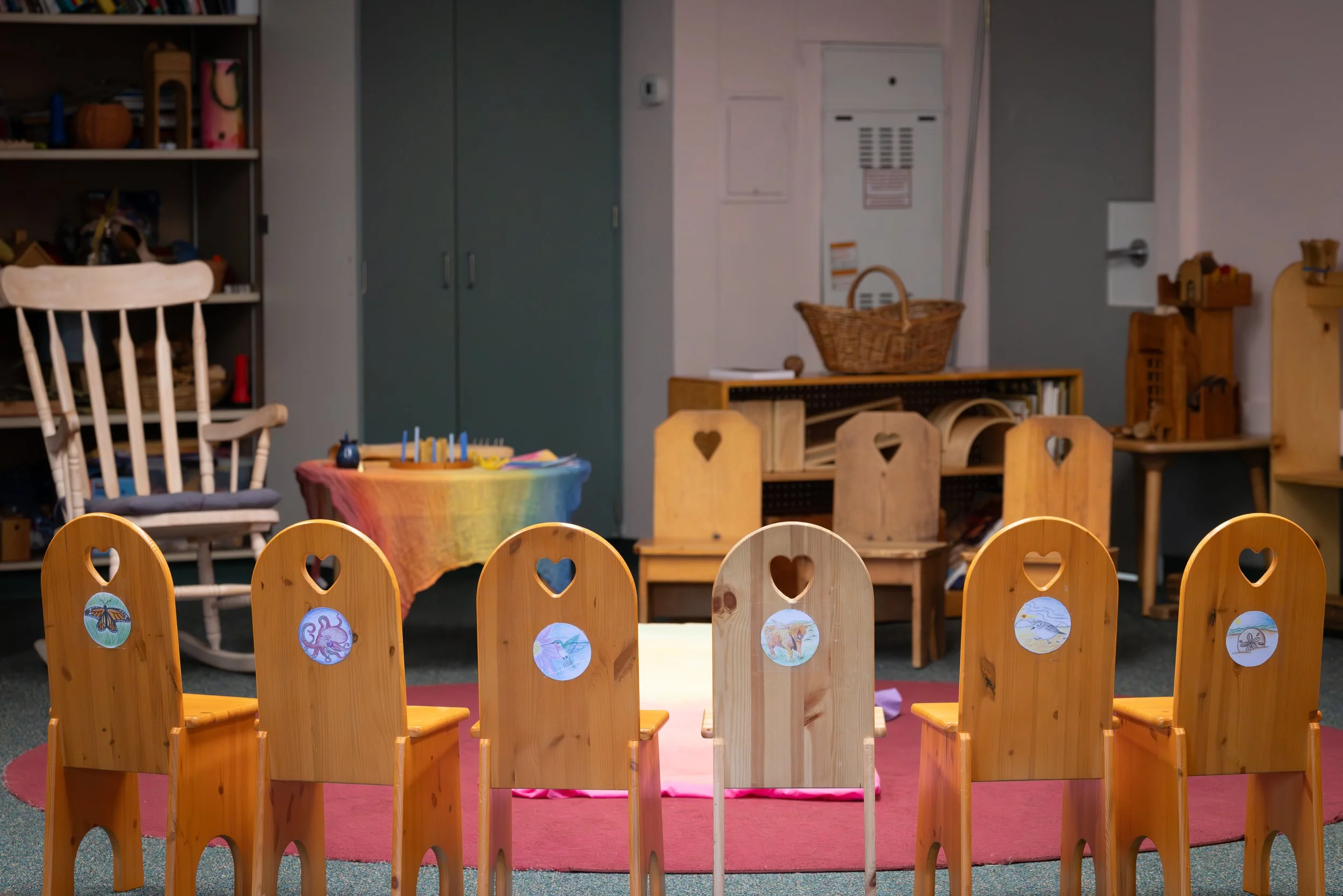
Waldorf classrooms are warm, natural, and screen-free, giving children space to explore the real world, build social skills, and develop at a healthy, human pace.
Creative, Soulful Education
If you're looking for an education that values imagination over standardization, connection over competition, and beauty in the everyday, Waldorf may be the perfect fit.
-
Yes, a Waldorf student can absolutely transition with ease to a public high school—and often brings unique strengths into that environment.
1. Strong Academic Foundation (at the right time)
Waldorf schools introduce academics in a developmentally appropriate way. While reading and math may begin more slowly, by middle school, students are often working at or above grade level—especially in critical thinking, writing, and interdisciplinary understanding.
2. Love of Learning
Waldorf students are taught how to learn, not just what to learn. This helps them adapt quickly to new environments, including traditional classrooms with tests, textbooks, and deadlines.
3. Creativity & Confidence
With years of exposure to art, music, performance, and hands-on projects, Waldorf students tend to be articulate, imaginative, and confident, valuable traits in high school classrooms, clubs, and social settings.
4. Emotional Intelligence & Focus
Thanks to long-term teacher relationships and a calm, low-tech environment, Waldorf students often enter high school with maturity, strong social skills, and the ability to focus.
-
Waldorf education was founded in the early 20th century and is based on the insights, teachings, and principles of education outlined by the innovative 20th century philosopher and activist Rudolf Steiner.
The principles of Waldorf education evolve from an understanding of human development that addresses the needs of the growing child.
Waldorf pedagogy is based on the idea that education should address the whole child—their physical well-being, their social and emotional well-being, and their intellectual, cognitive, and spiritual development.
Read more about the roots of Waldorf Education here.
-
Waldorf education is a great fit for families who value a slower, more intentional childhood and a whole-child approach to learning. Here’s what tends to resonate most:
Families Who Value Childhood
You believe childhood should be protected—not rushed. You appreciate play, wonder, imagination, and a screen-free environment in the early years.
Creativity-Loving Families
You value art, music, storytelling, and hands-on learning. Waldorf weaves creativity into every subject—not just as enrichment, but as a core part of how children learn.
Whole-Child ThinkersYou want your child’s education to nurture not just their intellect, but their emotions, character, and practical life skills. You see education as a journey of becoming, not just achieving.
Nature-Oriented Families
You feel a connection to the natural world and want your child to learn through seasonal rhythms, outdoor play, gardening, and reverence for the earth.
Community Seekers
You’re looking for a warm, engaged school community that feels more like a village—where teachers, parents, and students form deep, lasting relationships.
Families Open to a Spiritual or Reverent Lens
While not religious, Waldorf education holds a reverent view of life—celebrating festivals, rhythms, and a sense of meaning that speaks to many families seeking depth and beauty.
If you're looking for a nurturing, creative, and soul-enriching environment that prioritizes connection over competition, Waldorf might feel like coming home.
-
The purpose of a standard of dress is to support a healthy, reverent school community. We expect of students a mode of dress that neither distracts nor disturbs. Moreover, clothing must be functional to support the variety of activities characteristic of our Waldorf curriculum (from movement exercises in main lesson to gardening, games, woodwork, and so on). If a student is out of dress code, the school will provide proper clothing.
-
One of the distinctions of Waldorf education is its embrace of technological prudence. For we believe—along with many parents, grandparents, teachers, doctors, social thinkers, and thoughtful human beings—that such prudence is healthy for children. Our media guidelines seek to support the health of children, the mission of our school, and the human imperative. Further, our media guidelines are workable in the lives of modern families.
For these guidelines to be successful parents/caregivers must model mindful media use themselves. They must strive to be worthy of imitation. Such striving sometimes involves inconvenience. But such striving is worth it, as the harm of imprudent use of technology—to a child’s psyche, to a family, to a school community, to society at large—is now common knowledge.
What do we mean by media?
● cell phones, smartphones, computers, tablets, Internet, email, instant-messaging, texting, apps, earbuds, et cetera
● Siri and Alexa, and like A.I. digital assistants
● movies, shows
● social media: Facebook, X, Instagram, YouTube, TikTok, Snapchat, et cetera
● recorded music: radio, iTunes, CDs, music streaming apps
● games: Internet and computer gaming, arcade games, Nintendo, PlayStation, et cetera
● newspapers, magazines, e-zines, blogs
The Guidelines:
Early Childhood: A child of this age group should not be exposed to media in daily life. Exposure to radio and recorded music should be limited and age-appropriate. The younger the child, the more important this is. We are grateful for your support in creating a media-free home for your young child. We are also grateful for your modeling mindful media use in front of your young child.
Grades One to Four: Barring the carefully monitored—and occasional—introduction to age-appropriate movies, a child in this age group should still not be exposed to media in daily life. Exposure to radio and recorded music is still best limited and age-appropriate. We are very grateful for your support in creating a media-free home for your child of this age span. We are also grateful for your modeling mindful media use in front of your child.
Grades Five and Six: At this age, it may be appropriate to allow your child some media exposure. A carefully monitored introduction to age-appropriate movies may occur, preferably at home and not in movie theatres. However, we discourage letting children watch videos of themselves (recordings of class plays, for example) and letting children of this age use technology to create movies.
Further, we discourage media use on nights preceding and following school days. We also advise parents to place computers and TVs in a shared space in the home, not in a child’s bedroom; and to provide rules—regarding content, time of use, and duration. We ask parents to prohibit their child from accessing any website where your child can post her/his personal information, including instant messaging and emailing. And we ask parents to review media content before your child views it and to make your sparing media time a family time.
Grades Seven and Eight: Media exposure must be limited, age-appropriate, and closely supervised and guided by parents. Media exposure can take place on weekends and vacations. However, we still request no media on nights preceding school days. Computers and TVs should be in a shared space in the home, not in a child’s bedroom. Provide rules for media use: content, time of use, and duration. Prohibit access to any website where your child can post her/his personal information, including instant messaging and emailing.
• For this age, encourage media time to be part of family time.
• Encourage regular study habits in a quiet environment, without a backdrop of recorded music or video.
• Limit time spent listening to digital music.
• Screen music for content and lyrics.
• Observe PG-13 and R-ratings for movies. Smartphones/Cell Phones/Earbuds
We kindly request that parents/caretakers (and babysitters and other family members) teach by example and refrain from using such devices on school grounds (including the parking lot). If you need to make a phone call or send a text, please do so off campus. If a Grades student brings a gadget (of any kind) to school, the student will deposit that gadget with her/his teacher for the duration of the school day.
In general, Grades students are encouraged to leave their gadgets at home. Students will not use gadgets at school events or on class trips.
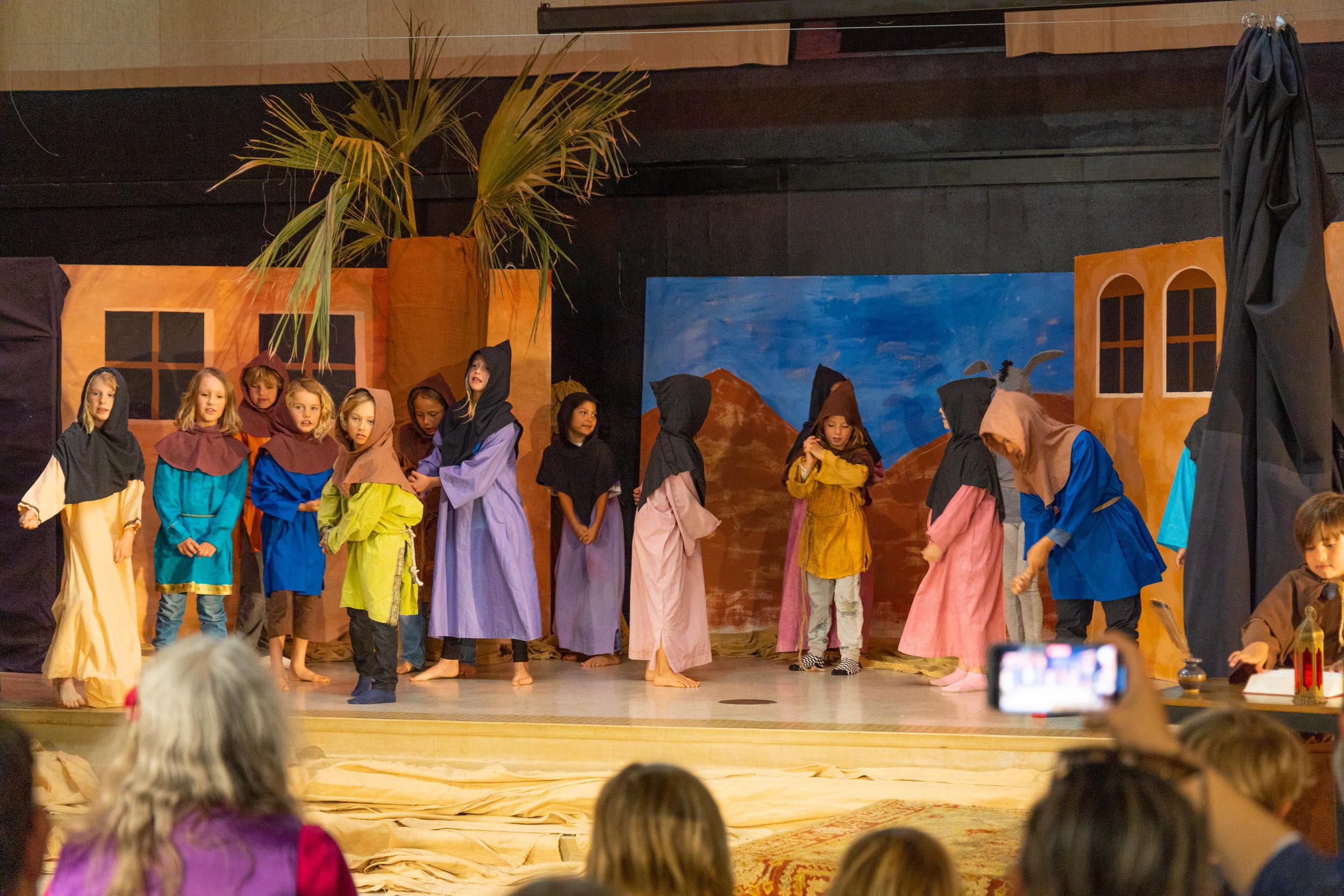
Cameras During School Performances: We understand that you want to capture the beauty of your child’s performance; however, we kindly ask our audience to not take photos or record performances as such actions detract from the experience of the children and others. Arrangements for recording or photographing may be made in advance with the teacher in some circumstances.
The School-wide Pact
To honor these guidelines there needs to be alignment in each class and throughout the school—a shared understanding of these guidelines and shared follow-through. Our teachers—along with other experts—know that inconsistent media exposure and technology use among students can tear at the social fabric and impede learning. Further, it is crucial that parents educate themselves about the perils of technology use—the perils of social media, cyber bullying, pornography, sexual exploitation, screen addiction, et cetera. Read Jonathan Haidt’s book Anxious Generation to learn more. Finally, to honor these guidelines, conversations between the class teacher and class parents are crucial. Please connect with her/him should you have any questions.
OUR PROGRAMS
From preschool through eighth grade, our programs honor childhood, spark curiosity, and offer a rich, challenging curriculum at every stage.
-
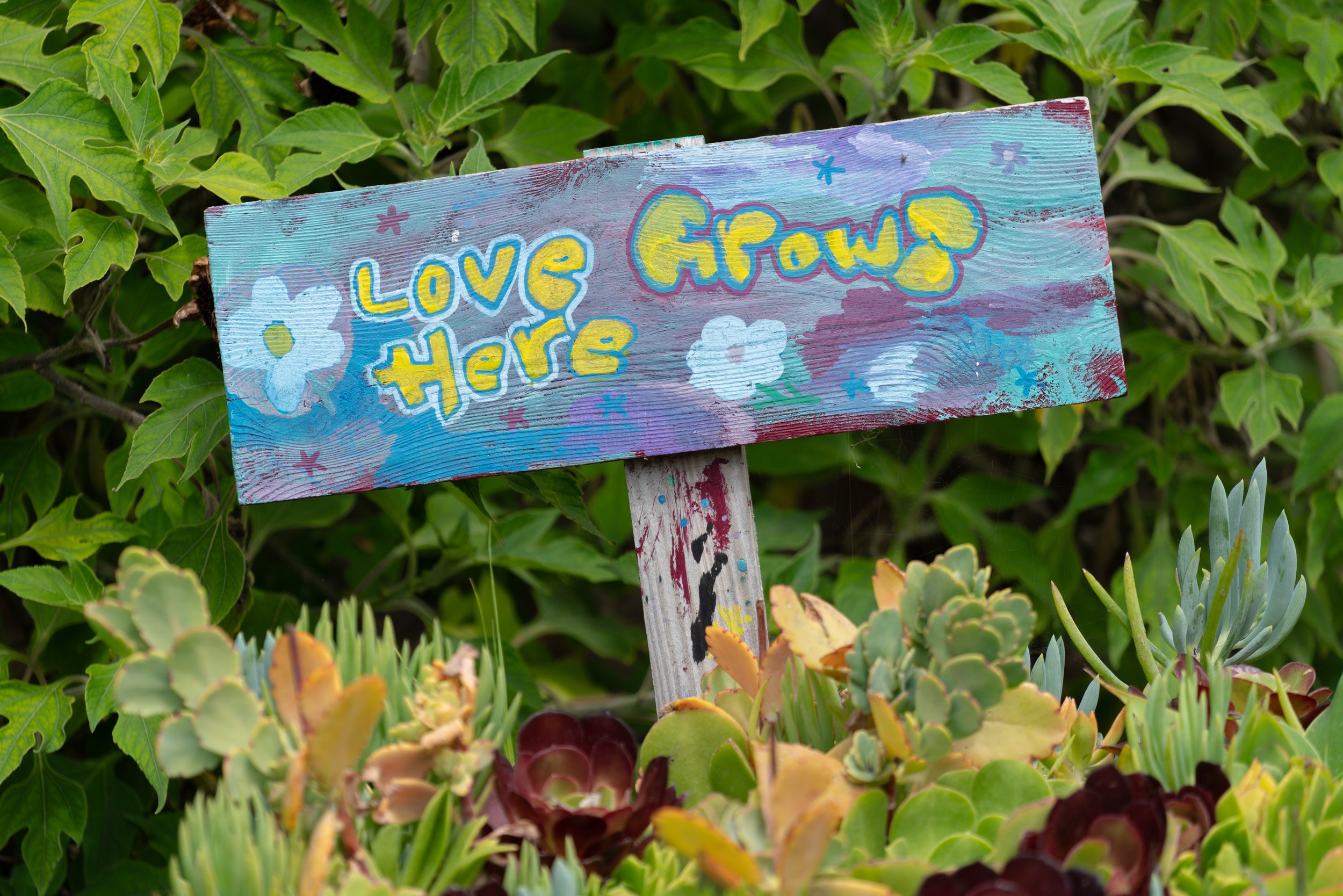
![Colorful wooden garden sign with the message 'Love Grows Here' written in yellow and purple, surrounded by plants and succulents.]()
PARENT-CHILD CIRCLE
1 – 3 YEARS OLD
-
![Children and adults holding hands and dancing in a circle on the grass during an outdoor celebration, with some people sitting on the grass in the background and trees surrounding the scene.]()
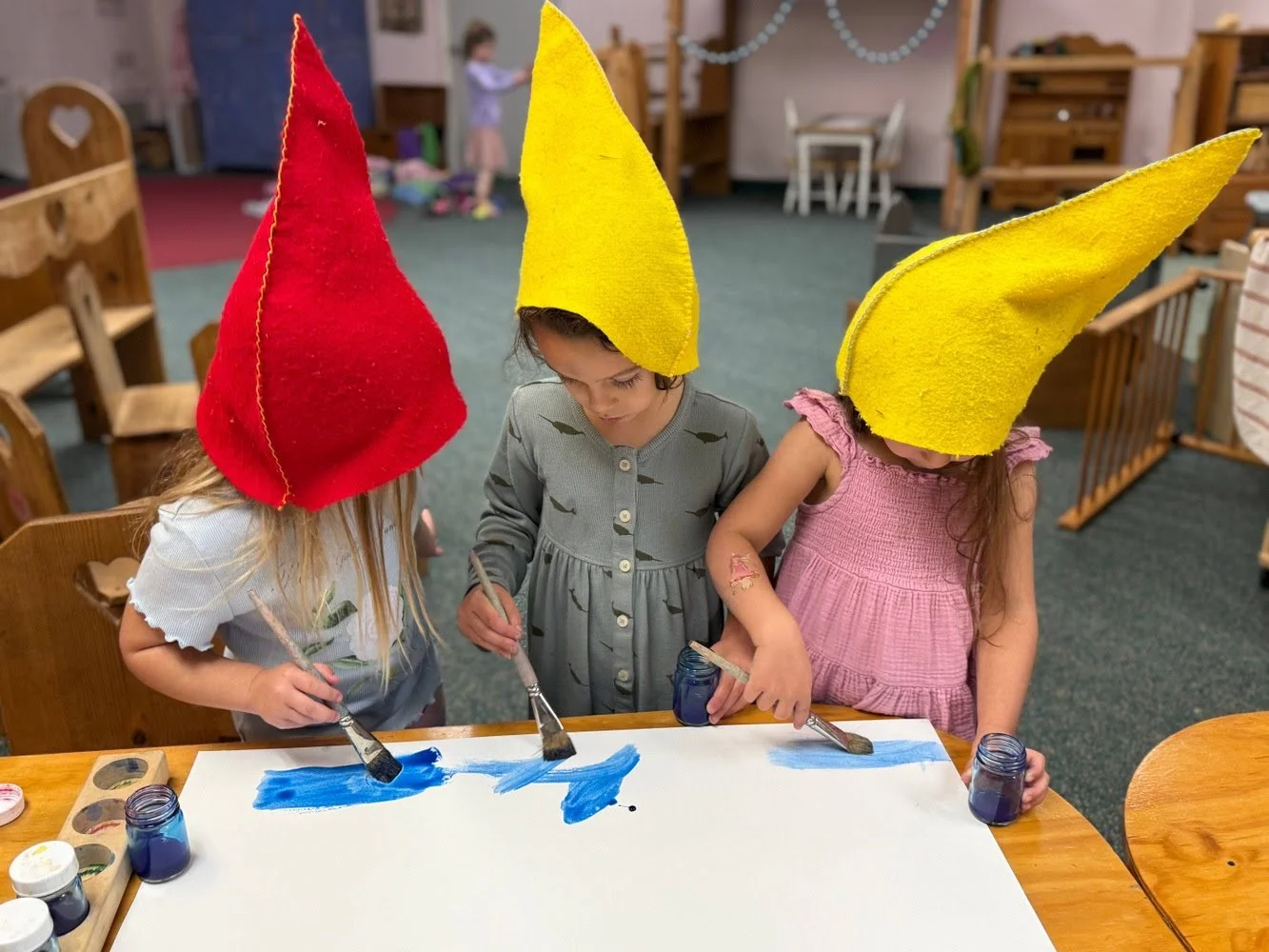
EARLY CHILDHOOD
3 – 6 YEARS OLD
-
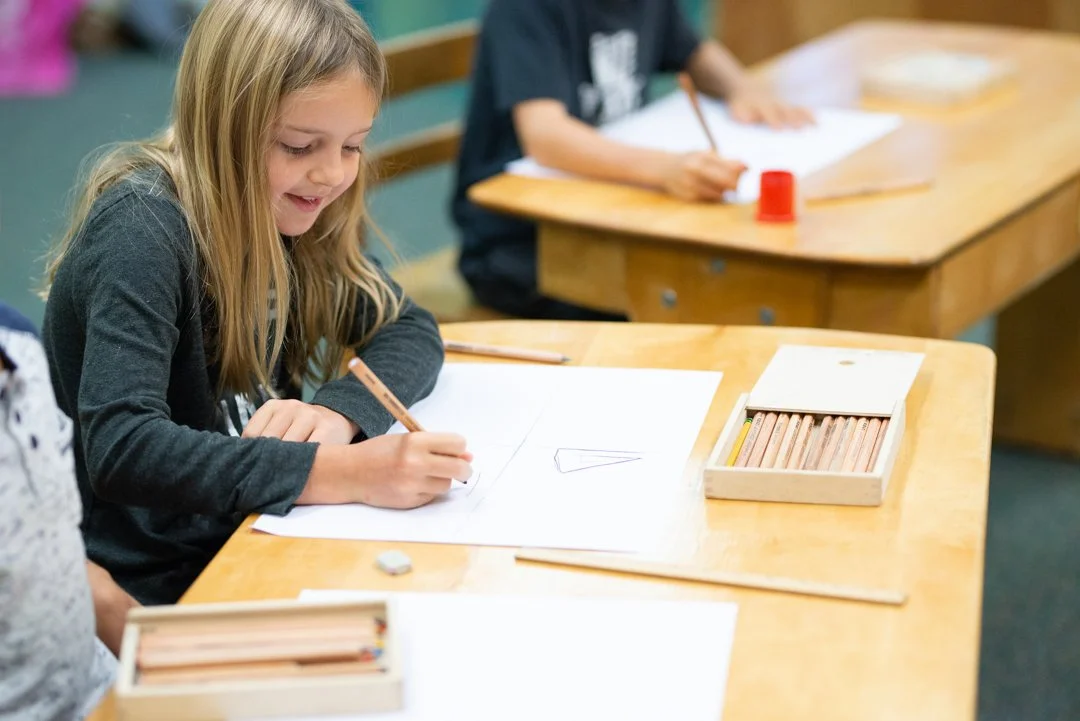
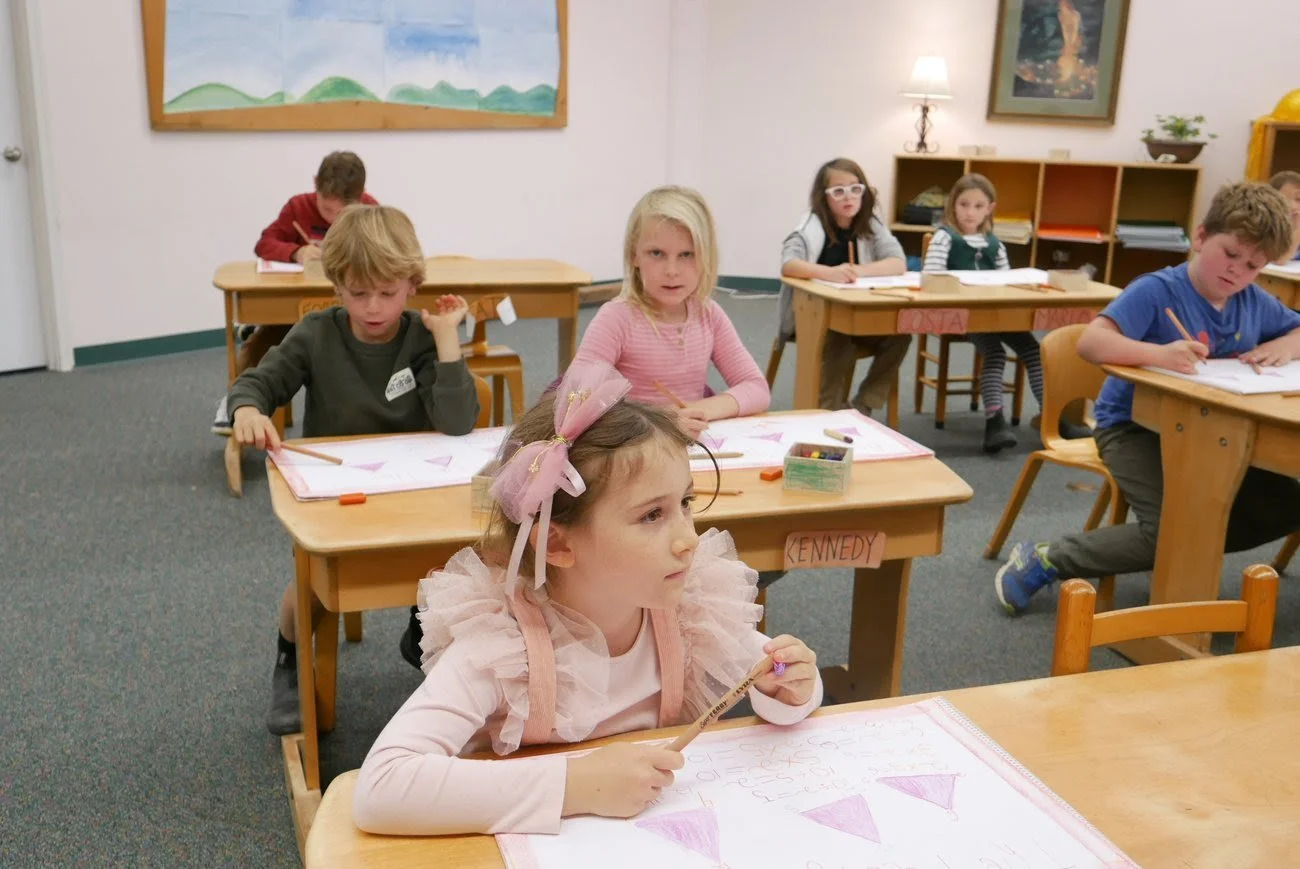
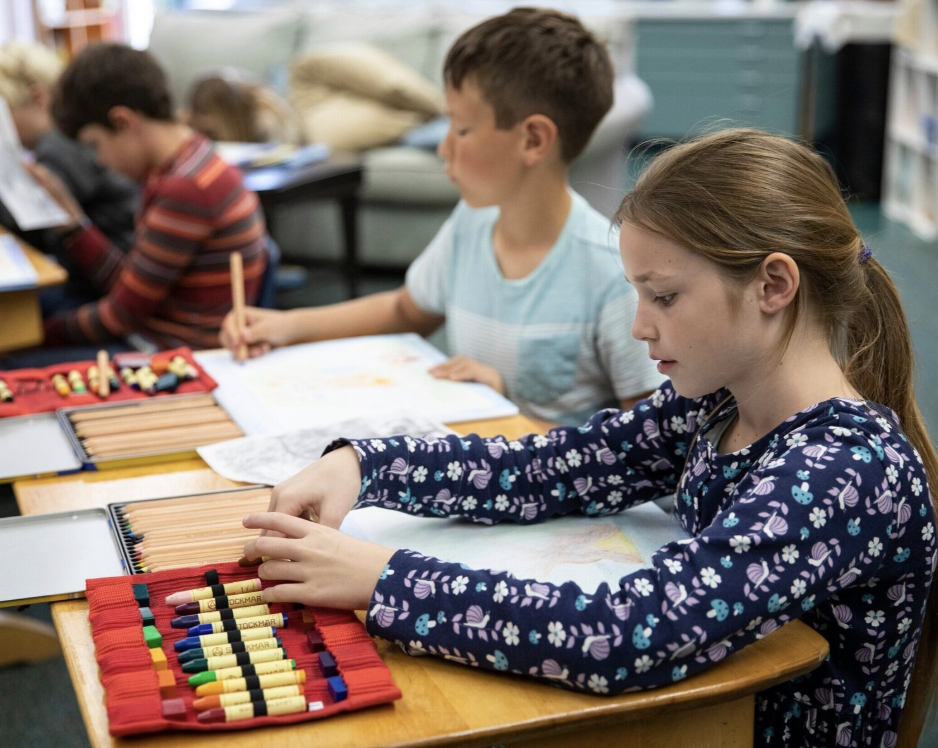
![A classroom scene with children working on a drawing activity, using colored pencils on a wooden table.]()
ELEMENTARY SCHOOL
GRADES 1 – 5
-
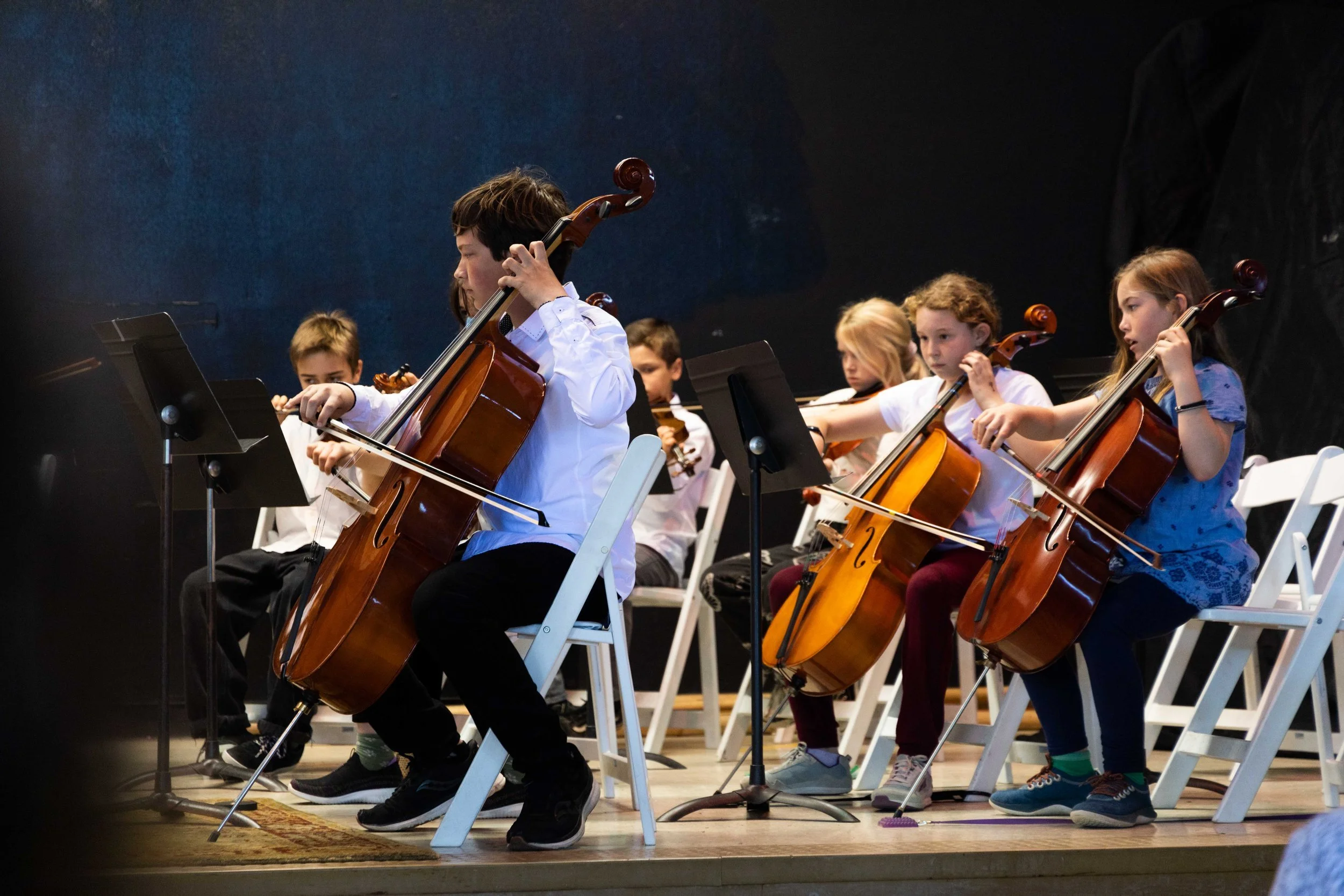
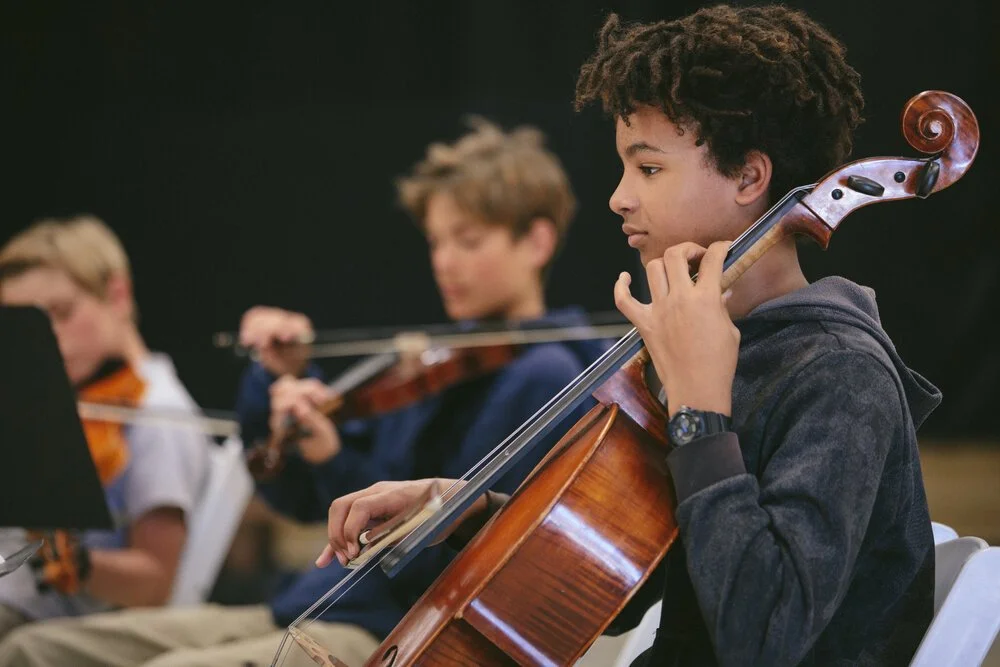
![Young boy playing the cello during a music rehearsal with other children in the background.]()
MIDDLE SCHOOL
GRADES 6 – 8
Find Your Place
In Community
Schedule your school tour today!