Bringing Light into the Darkness (and more!)
Autumn and Winter Festivals: Bringing Light into the Darkness
In Waldorf education, autumn and winter festivals invite children to connect with the earth’s seasonal rhythms while nurturing inner qualities such as courage, kindness, and hope. A central motif of these celebrations is bringing light into the darkness, both as a reflection of the changing seasons and as a metaphor for inner strength, compassion, and resilience.
Michaelmas: The Festival of Courage
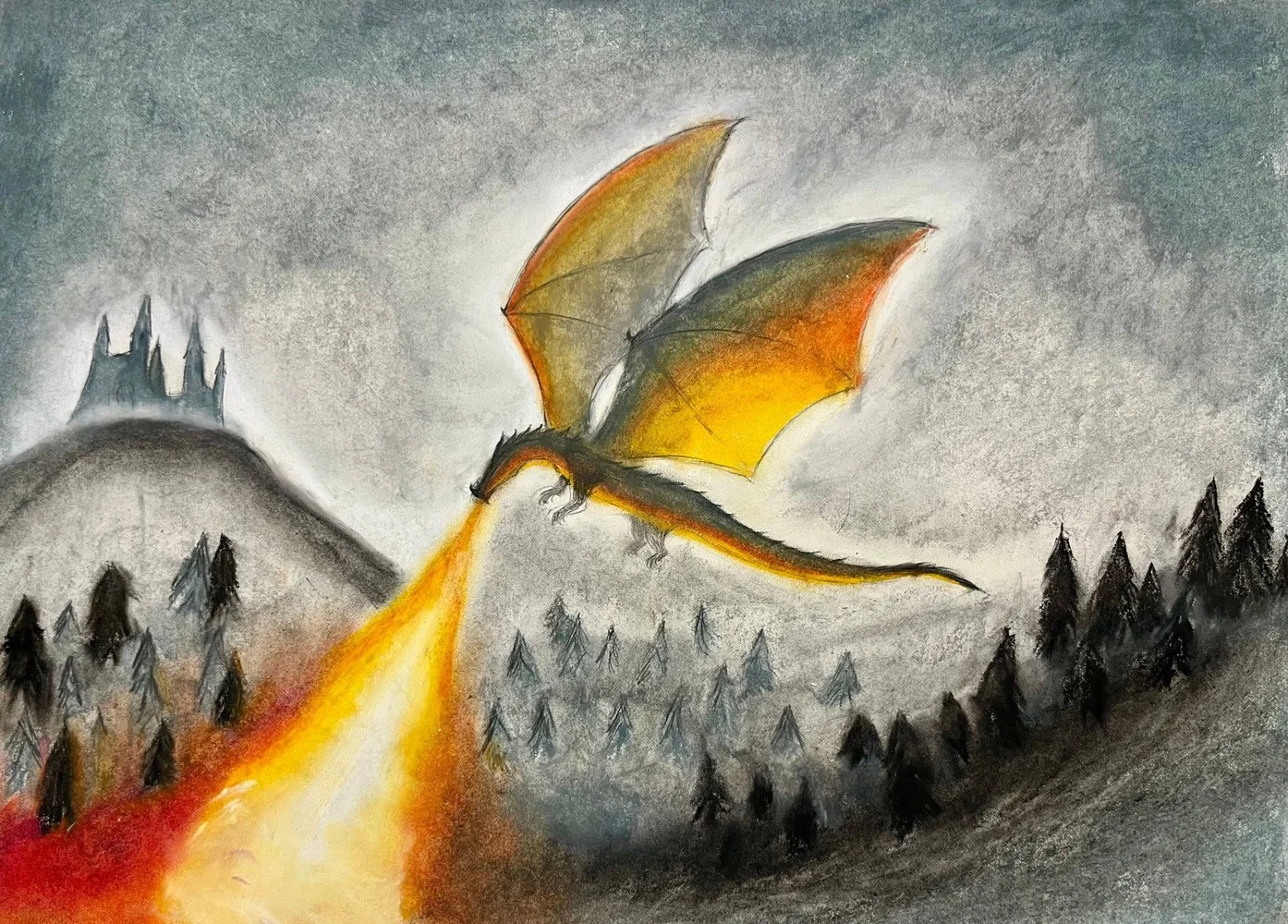
Held around the autumn equinox, Michaelmas honors the legend of St. Michael taming the dragon. The story symbolizes the courage to face fear and darkness and emerge stronger. Similar stories from countries around the world are also shared. It is a time to celebrate bravery, truth, and fortitude as children prepare for the colder, darker months ahead. Activities may include a play performed by all grades and games of strength.
This year's Michaelmas Festival will be held on Friday, October 2 from 9 a.m. to noon at Leadbetter Beach
The Lantern Walk: Light in the Darkness
Often associated with Martinmas, celebrated on November 11, the Lantern Walk is a quiet, reverent procession in which children carry handmade lanterns into the night. In Grade 2, the class that holds the Grades event, the story of St. Martin sharing his cloak with a beggar offers a powerful image of bringing warmth and light to others. In all classes, the lanterns represent each child’s inner light, while the walk becomes a communal expression of hope, kindness, and service. Together, the children carry their small lights through the darkness, reminding one another that even a single light can make a difference.
The Advent Spiral: Winter’s Inner Light
In winter, Waldorf schools often hold the Advent Spiral. In a dimmed room, a spiral of evergreen boughs is laid out with a central candle. One by one, children walk the spiral, light their candles from the center, and place them along the path.
As each child adds a light, the room gradually glows brighter. The experience is peaceful and reflective, offering a tangible image of how individual acts of warmth and goodness can illuminate a shared space.
Bringing Light into the Darkness
These festivals mirror the natural rhythm of the seasons. As the days shorten and darkness lengthens, children are invited to turn inward, cultivate their own inner light, and share it with others.
The motif of “light into the darkness” is not about literal illumination alone. It speaks to inner resilience, compassion, and the belief that each person can be a source of warmth and hope in the world.
In this way, Waldorf autumn and winter festivals use symbolic light rituals—lanterns, candles, and spirals—to help children experience a simple but enduring truth: even in the darkest season, the human spirit can shine.
Important Dates
Wednesday, September 16: Board of Trustees meeting at 3:30 p.m.
Monday, September 21: Yom Kippur (holiday) - no school
Tuesday and Wednesday, September 22 and 23: Picture Days
Monday, September 28: Back to School Night and Kim John Payne Event 5 to 7 p.m.
Friday, October 2: Michaelmas Festival 9 a.m. to noon
Monday, October 12: Indigenous People's Day - no school
Friday, October 30: No school for Halloween Journey
Faculty Spotlight: Ms. Sena

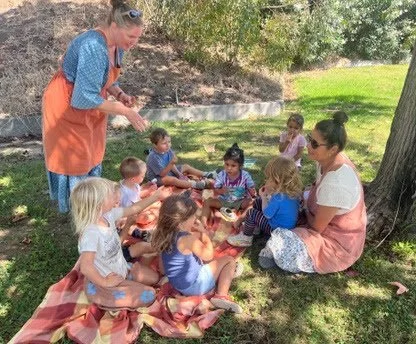
Ms. Sena has been supporting classes at WSSB for the last two years. Sena herself was a Waldorf student, attending the Olympia Waldorf School in Washington state from preschool through Grade 8.
In speaking with Sena about her time there, she shared that she had one teacher from Grade 1-8 in a small eleven student class. Her teacher was a talented artist who brought the arts in many different ways to his students. She remembers spending months creating a piece of art during their study of the Renaissance in Grade 7. Her class made masks and puppets and worked in many different mediums. They also put on many amazing class plays, including working for two years on their final play which they converted to a full blown musical incorporating music from the Beatles and the Grateful Dead!
Sena completed her bachelor's degree in psychology from the Evergreen State College where she specialized in intergenerational patterns and trauma-based approaches. During this time, she returned to the Olympia Waldorf School working as a Grade 1 assistant teacher (with her own class teacher), as well as learning support and organizing extended care. She reflected then on how the Waldorf curriculum and approach is a healing education and how her rich artistic experience had deeply supported her own development.
Sena moved to Santa Barbara in 2022 with her partner, Colin, to complete her master’s in clinical psychology. Again, she found herself drawn to the local Waldorf school. We are incredibly glad that she did as now she is a deeply valued member of our faculty. Sena works in the grades as a teacher and learning support specialist. We are grateful for you, Sena!
Cyber Civics - A Middle School Program
The Waldorf School of Santa Barbara is one of the many Waldorf schools who are implementing the “cyber civics” program in middle school. This is a structured digital literacy program that blends Waldorf’s child‑development principles with ethical, critical, and responsible technology use.
Waldorf education traditionally keeps classrooms screen‑free, focusing on tactile, outdoor, and face‑to‑face experiences to build imagination, focus, and academic and social skills. Technology is only introduced (sparingly) in older grades, with a strong emphasis on ethical, social, and emotional impacts of digital tools, aiming to make students intentional, creative, and responsible digital citizens rather than passive consumers.
The Cyber Civics Curriculum has a three‑year middle school sequence that can be adapted to suit each school's needs. This year, our 7th and 8th graders are working with this program. The themes begin with digital citizenship and creating norms for responsible, safe, and respectful online behavior; ethical thinking; privacy; and understanding technology’s societal impact. Information literacy is also introduced, building skills for finding, evaluating, and using online information; online safety; copyright/fair use; and critical thinking. In Grade 8, the program focuses on media literacy including distinguishing between consuming and producing media, recognizing misinformation, stereotypes, and visual literacy; and fostering digital leadership.
We value these lessons that are hands-on, discussion‑based, and scenario‑driven, using role play, debates, projects, and problem‑solving to build empathy, critical thinking, and ethical decision‑making. The program emphasizes strong offline learning and human relationships that precede digital engagement. It prepares students to engage thoughtfully with emerging AI tools, focusing on ethics and practical navigation. The aim is to build digital skills that are integrated with interpersonal skills, ensuring students are “future‑ready leaders” grounded in human agency.