Welcome 2026!
Welcome Back
We hope you had a peaceful Winter break! We are happy to have the students back on campus as we start our new term. Here are the current curriculum blocks for January:
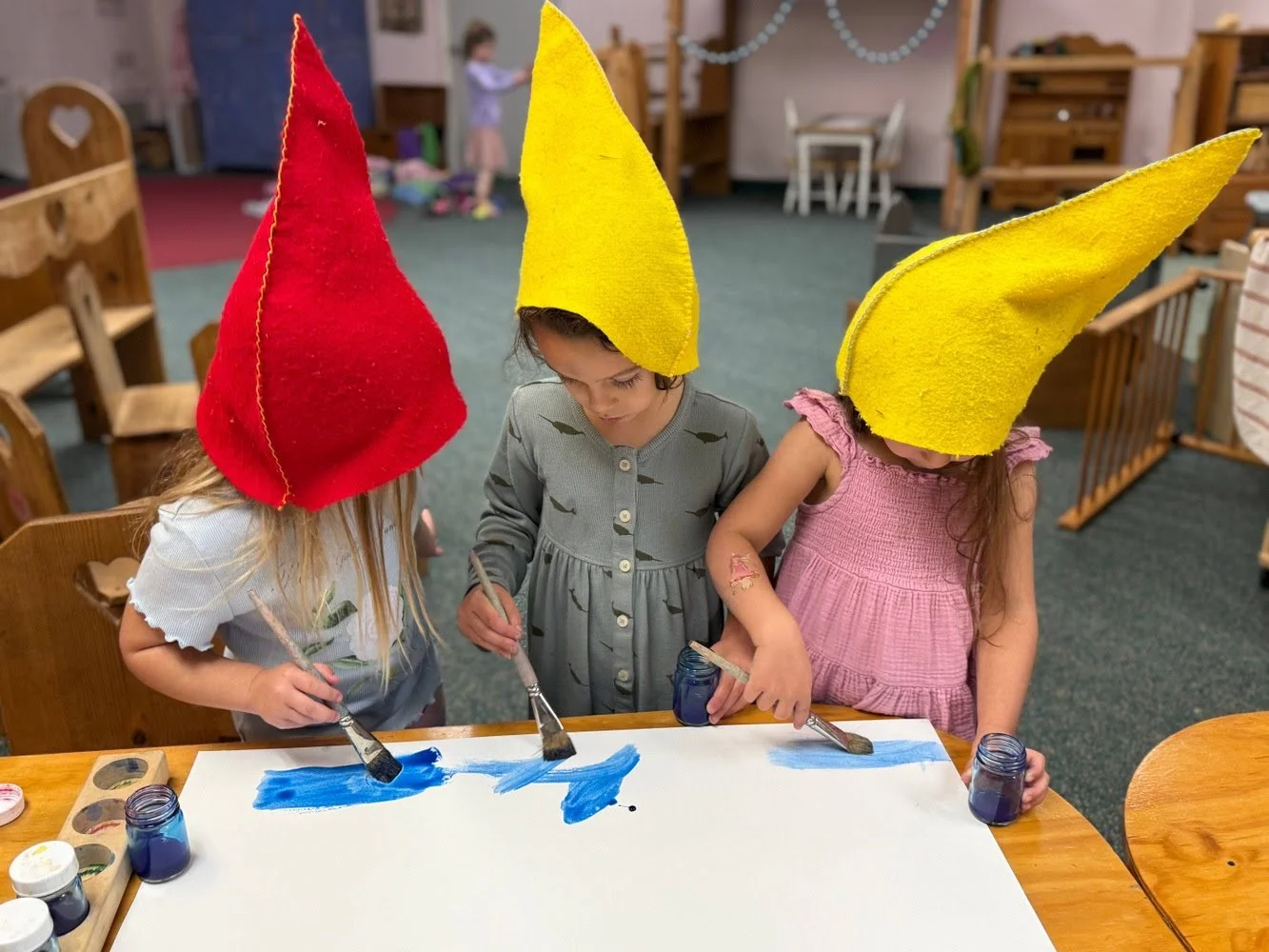
Morning Glory: Rhyming Animal Story and Winter Circle and Crafts
Lavender Rose: The Mitten Story and Winter Circle and Crafts
White Rose: The Brementown Musicians Story and Circle and Winter Crafts
Grade 1: Language Arts - Continuation of the Consonants and Play Practice
Grade 2: Math - Magic Numbers (Times Tables) and Cursive Handwriting
Grade 3: Practical Arts and Grammar - Types of Sentences
Grade 4&5: Freehand Geometry
Grade 6: Astronomy
Grade 7&8: History - The Industrial Revolution and Social Rights
Good News! We have new basketball hoops!
Calendar Change
Please note that we have made a calendar change. Our community event and fundraiser, the Hike-a-thon, has moved from April 24 to May 15.
More information forthcoming.
Practical Activities over Screen Time
At our Waldorf school, and even in our mission statement, we speak about educating the whole child—head, heart, and hands. In today’s increasingly digital world, this commitment invites an important conversation: why practical, hands-on skills play such a vital role in learning and development, especially in contrast to screen-based learning.
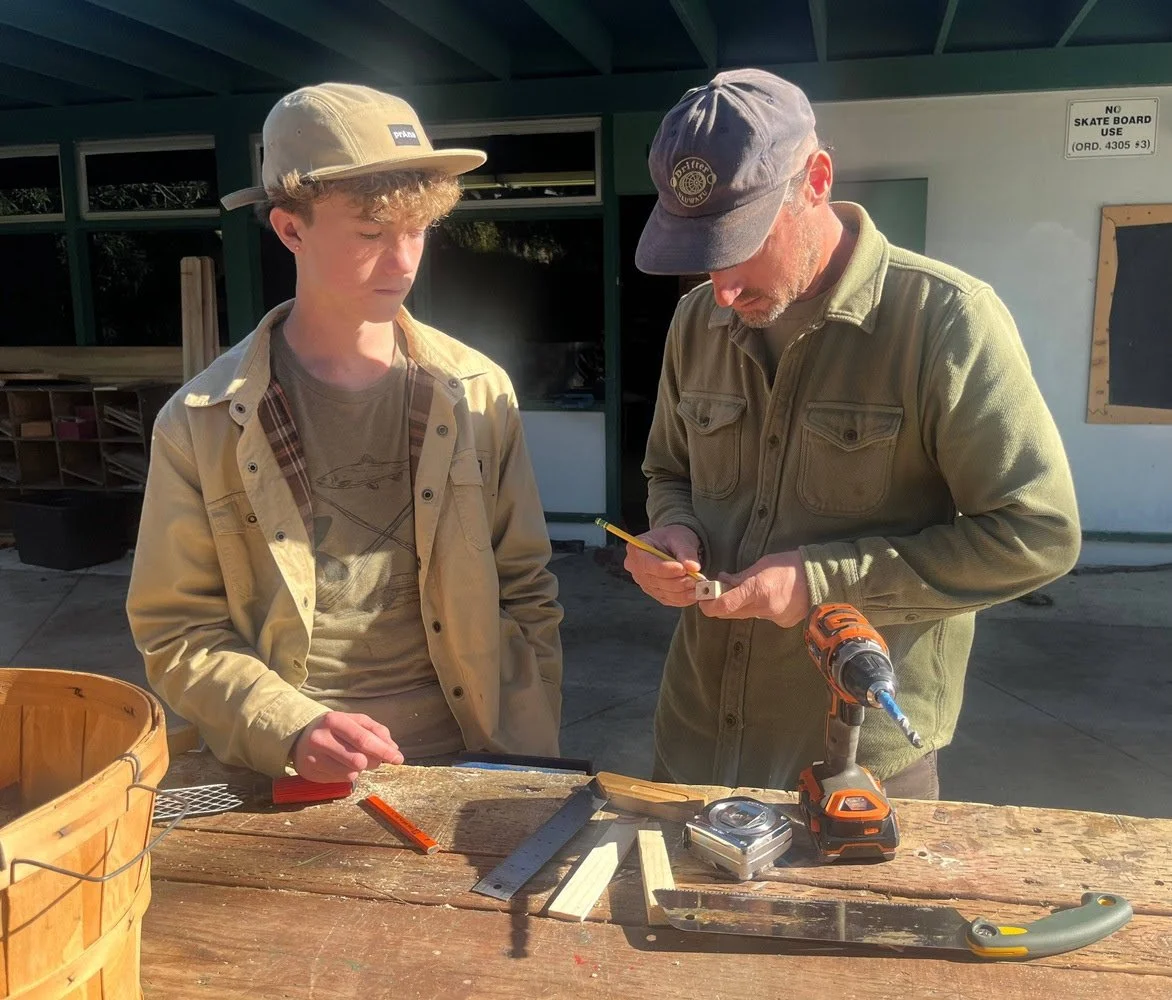
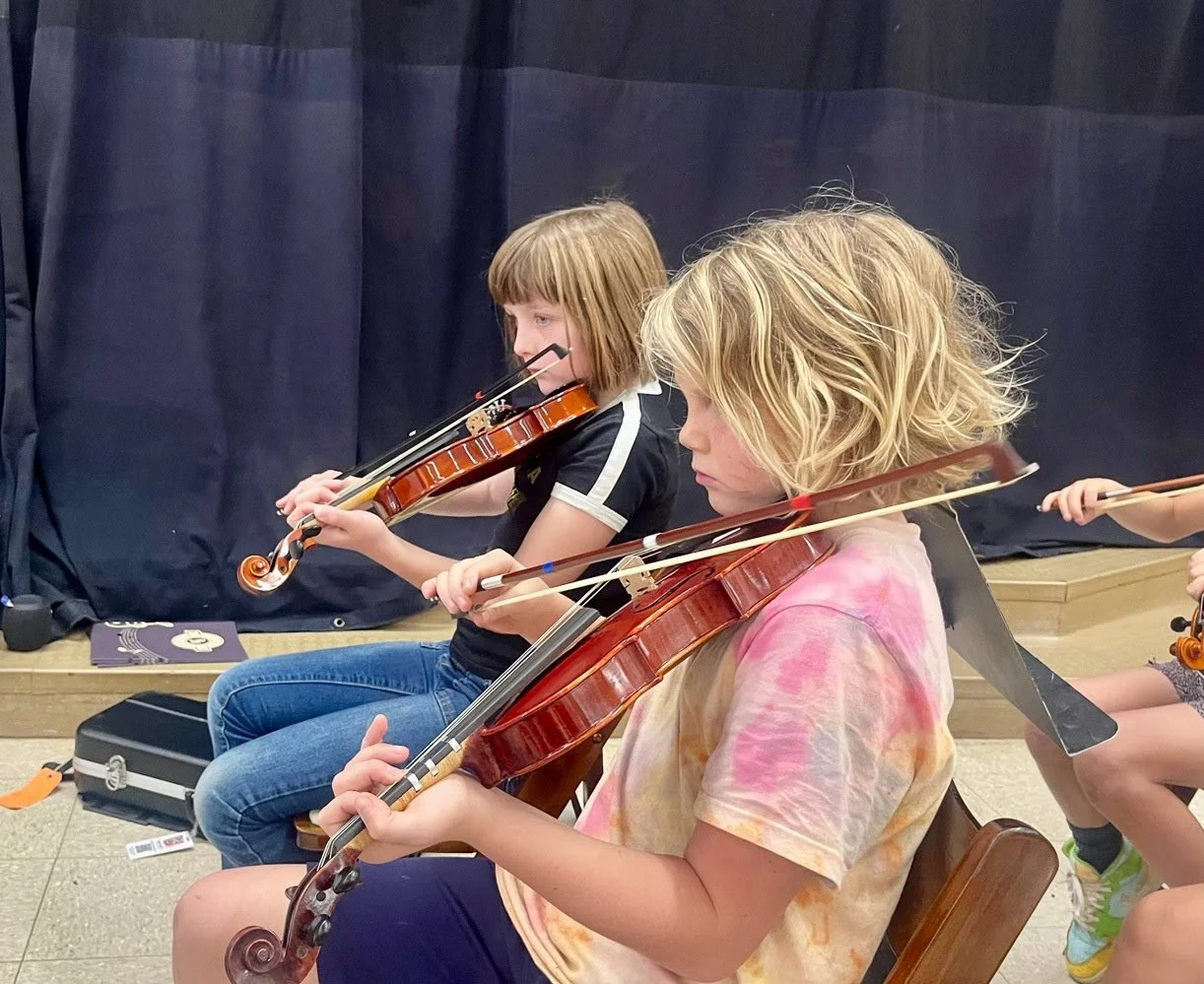
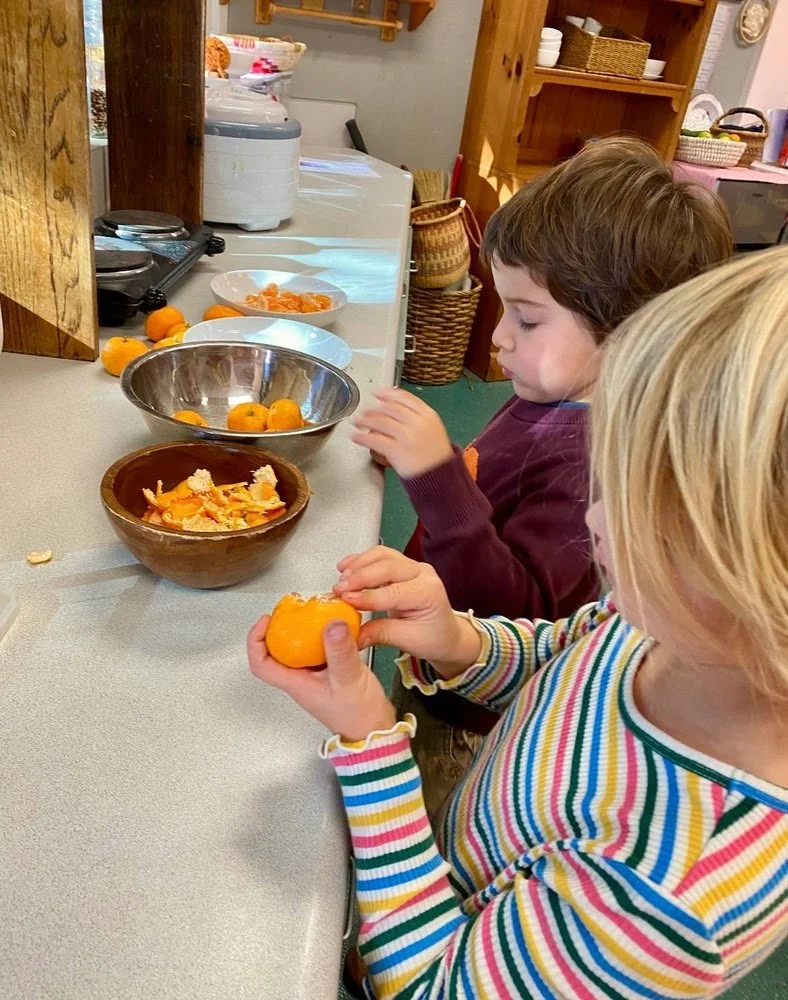
Children learn best when they are actively engaged with the world around them. Practical activities such as knitting, woodworking, gardening, cooking, painting, and movement-based play invite children to use their bodies, senses, and will. Through these experiences, learning becomes alive. A child who measures flour, shapes clay, or builds a simple structure is not only learning a task, but also developing coordination, perseverance, problem-solving, and confidence.
Before abstract thinking can flourish, children need a strong foundation of physical and sensory experience. Hands-on work strengthens fine and gross motor skills, supports healthy brain development, and lays the groundwork for later academic learning. When children engage deeply with materials and processes, concentration grows naturally, without the constant stimulation or rapid pace often found on screens. Unlike screens, which present finished images and ideas, practical activities leave space for their own authentic imagination. A stick can become a wand, a bridge, or a doll. A simple piece of cloth can transform into a costume or a landscape. This open-ended play nurtures creativity, flexibility of thinking, and inner resourcefulness; qualities that serve children throughout their lives.
Practical learning often happens in relationship: children working alongside classmates, guided by a teacher, sharing a rhythm and a purpose. These shared experiences cultivate social skills, empathy, and a sense of belonging. In contrast, screen-based learning can be isolating and tends to shift attention away from the living human environment.
We recognize that technology has a place in the modern world. However, in the early and elementary years especially, childhood is a precious time for movement, exploration, and direct experience. By limiting screen use and emphasizing practical skills, we are helping children grow into capable, creative, and compassionate human beings.