
The Role of Movement in Waldorf Education
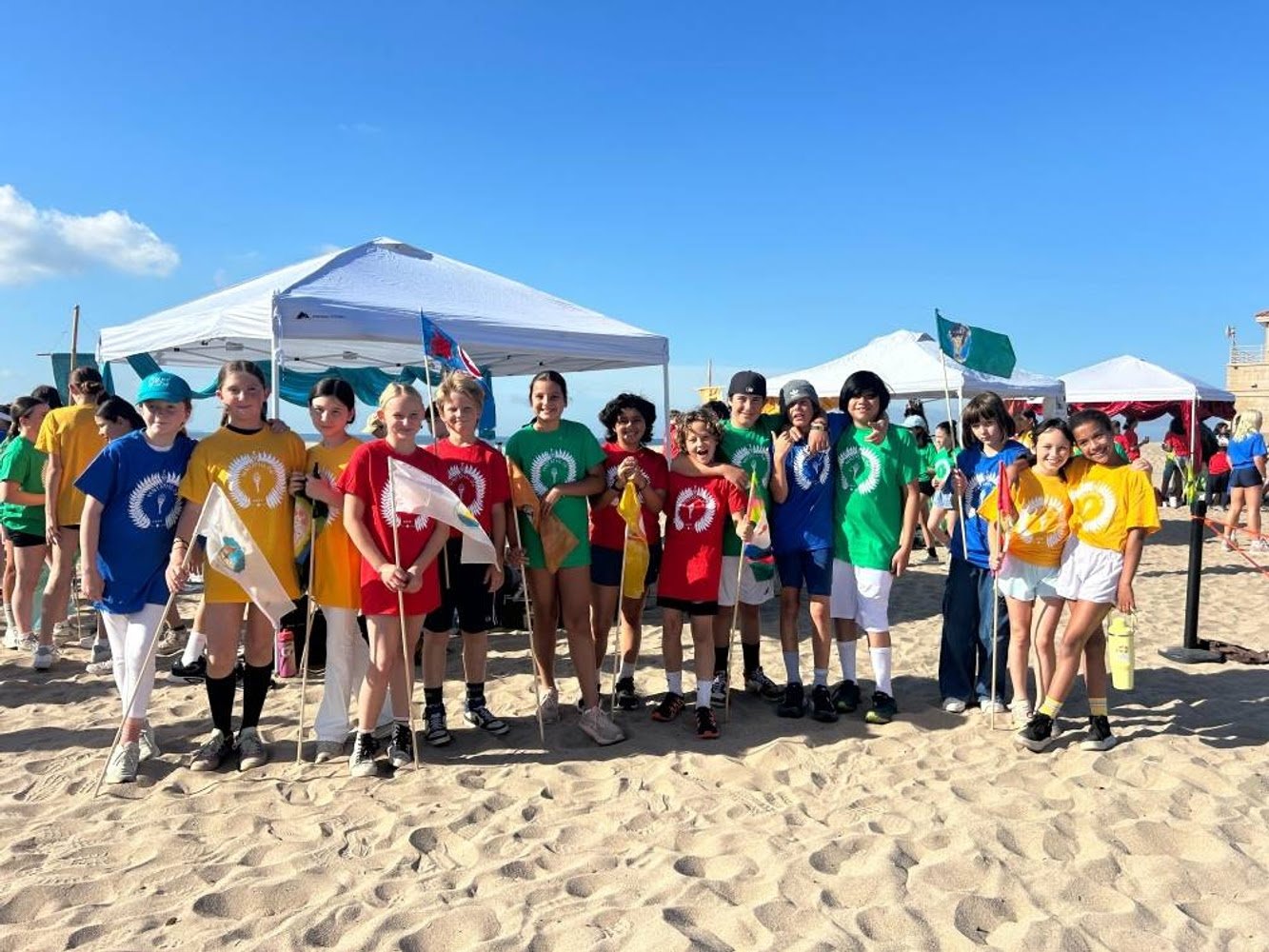
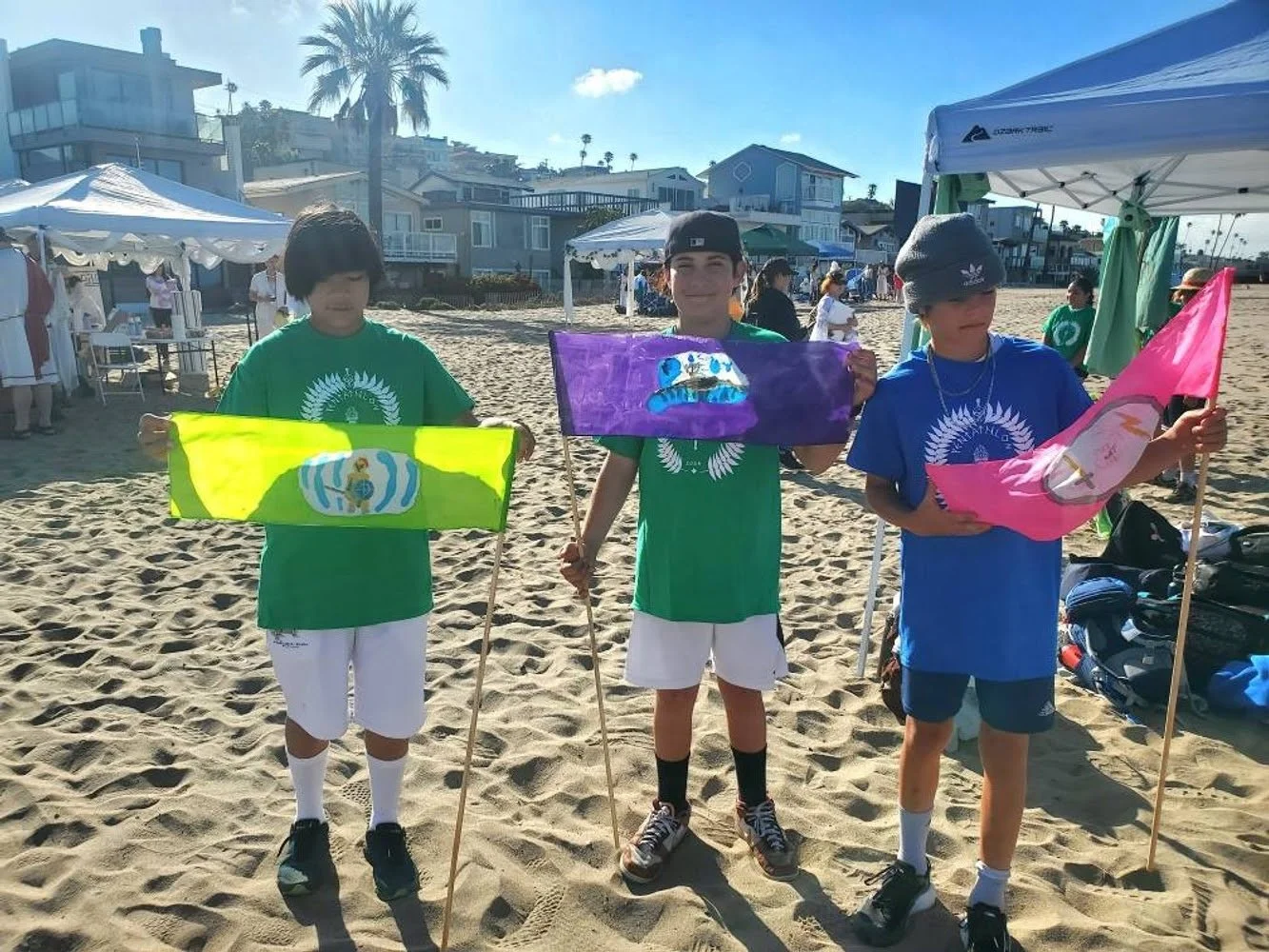
Last week, the 6th Grade class journeyed to Playa Del Rey to participate in the Pentathlon with six other Waldorf schools.
Movement plays a central role in Waldorf education, serving as a foundational element that supports the holistic development of the child. Rooted in the educational philosophy of Rudolf Steiner, Waldorf schools emphasize the integration of physical, emotional, and cognitive growth through movement-based activities. This approach reflects a deep understanding of how physical activity influences learning and overall development.
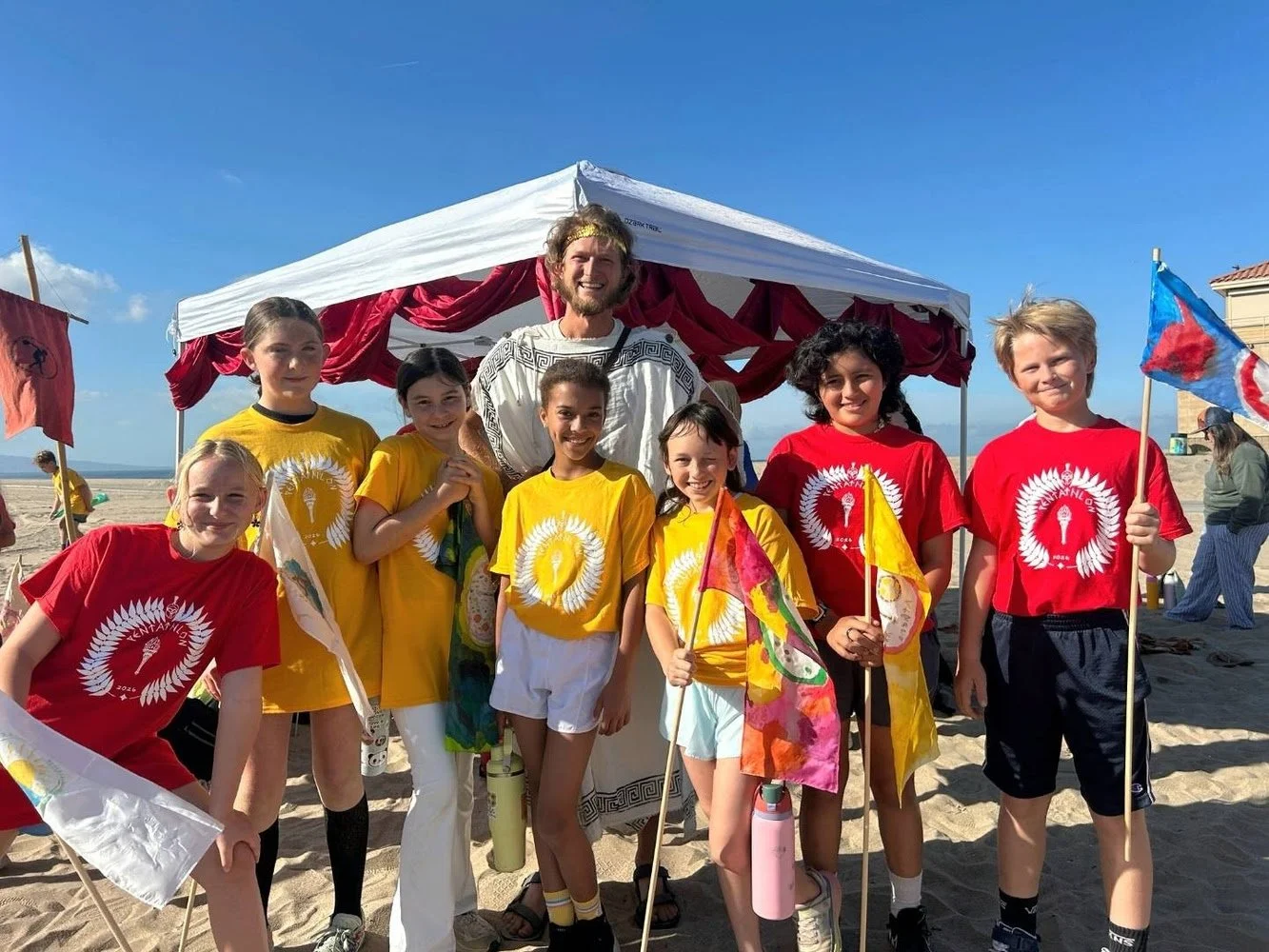
In Waldorf education, movement is not merely an ancillary activity but a vital part of the curriculum. Young children engage in a variety of physical activities designed to enhance their motor skills and coordination. Activities such as rhythmic games, dance, and creative movement help children develop their gross and fine motor skills. This physical foundation is crucial as it underpins the ability to engage in more complex tasks, both academically and socially.
Waldorf schools integrate movement with other areas of the curriculum to create a rich, experiential learning environment. For instance, subjects like math and language arts are often taught through movement-based activities. Children might use their bodies to explore mathematical concepts, such as forming shapes or patterns, or act out stories to deepen their understanding of language. This kinesthetic approach helps solidify concepts by engaging multiple senses, reinforcing learning, and making abstract ideas more tangible.
Movement activities in Waldorf education also play a critical role in emotional and social development. Group activities, such as circle games and cooperative exercises, foster a sense of community and collaboration. Children learn to work together, communicate, and resolve conflicts through these shared experiences. Physical engagement helps children manage their emotions and build resilience, as movement is a powerful tool for self-regulation and stress relief.
The rhythmic nature of Waldorf education incorporates movement into daily routines and seasonal rhythms. The school day often begins with movement activities that help children transition from home to school, creating a sense of rhythm and predictability. Seasonal festivals and nature walks are woven into the curriculum, aligning with the natural world and providing opportunities for physical exploration and connection to the environment.
In conclusion, movement is far more than physical activity; it is an integral part of the learning process that supports and enhances children’s overall development. By incorporating movement into various aspects of the curriculum, Waldorf schools create a dynamic learning environment that nurtures the whole child—body, mind, and spirit. This holistic approach ensures that students not only develop essential physical skills but also experience a deeper connection to themselves, their peers, and the world around them.
Important Dates
Thursday, May 7: May Faire and Grandparents/Special Friends Celebration
Wednesday, May 13: Strings Assembly at 8:45 a.m.
Friday, May 15: Hike-a-thon at Rancho Patera Stow House/Lake Los Carneros from 9 a.m. to noon
Thursday, May 21: Faculty Led Parent Meeting at 2 p.m.
Monday, May 25: Memorial Day NO SCHOOL
Friday, May 29: End of Year Potluck 5 - 6:30 p.m. (more information forthcoming)
Wednesday, June 3: Flower Ceremony and Grade 8 Graduation
Thursday, June 4: Last Day of School - no after school care
Am I Governor or an Advisor?
Most parents aren't struggling because they don't care. They're struggling because they've drifted, often without realizing it, from leading their family to advising it.
In this week's episode of the Simplicity Parenting Podcast, Kim John Payne explores one of the most common and least talked about challenges in the early years of parenting: the difference between being a governor and being an advisor.
During the first seven to nine years, children need a parent who leads; not harshly, not rigidly, but with warmth and clarity. A parent who establishes the rhythms, values, and structure that help children feel safe. Kim calls this the governor phase, and he explains how easily parents drift out of it, often with the best intentions.
Simple phrases like, "Shall we all get into the car?" or, "What would you like for breakfast?" seem harmless. But they quietly hand decision-making authority to a child who isn't ready for it yet. The result isn't a more empowered child. It's a less secure one.
Kim offers a simple and revealing exercise: spend a week observing yourself. Notice how often you offer open-ended choices versus closed ones. The shift is small. The difference it makes is not.